
NATO reworks Europe defense plans after U.S. signals military cuts
Gen. Alex Grynkewich said allies should focus on weapons and systems they can field fast after the Pentagon warned of reduced U.S. support.
By Sofia Marchetti · World Affairs Correspondent
3 min read
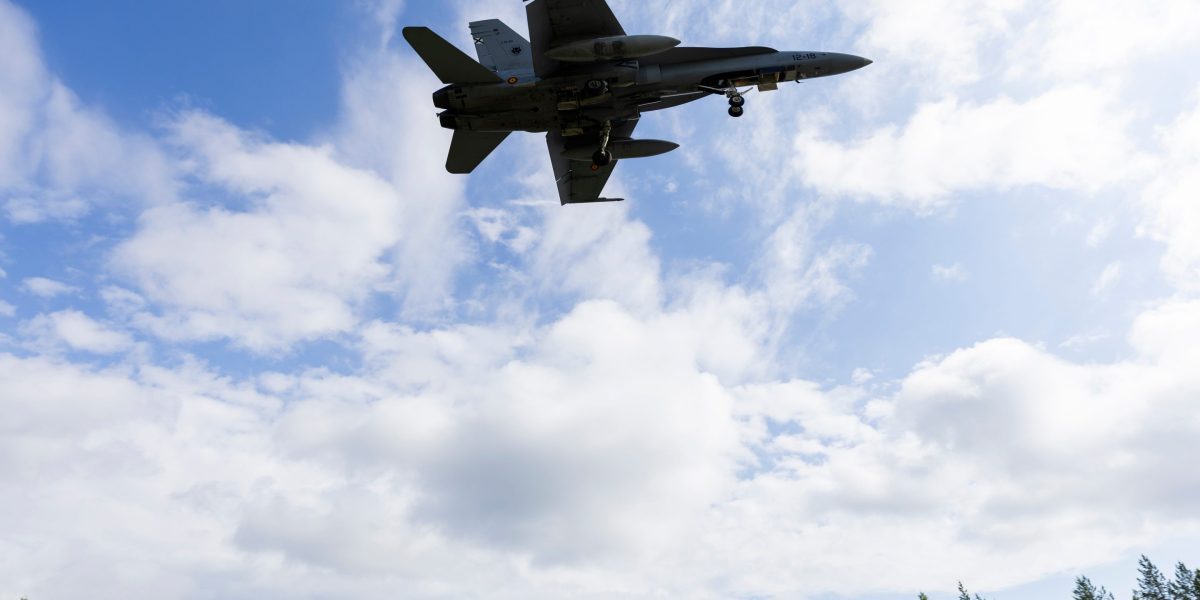
NATO’s senior military commander is reassessing how the alliance would defend Europe if Russia attacked after the Pentagon told allies the United States would reduce some aircraft and naval support in a crisis. The shift matters because European countries and Canada are being asked to cover gaps in capabilities that are scarce across the continent, according to the Associated Press.
U.S. Gen. Alex Grynkewich, NATO’s supreme allied commander, said at the ILA Berlin Air Show on Thursday that Washington remains ready to provide “limited but critical capabilities” to the alliance. He said NATO should emphasize systems that can be bought, deployed, expanded and maintained quickly, including long-range fires and drones.
Grynkewich said those types of weapons could reduce short-term risk if NATO has to deter or defend against an attack, according to the AP. His comments followed a Pentagon warning last month that the U.S. would scale back its NATO commitment as it focuses on other potential threats, including China in the Indo-Pacific.
Allies asked to fill U.S. gaps
The issue centers on NATO’s Force Model, the alliance’s main plan for making troops and equipment from its 32 members available in peacetime, during crises and in war. The plan lays out what commanders can draw on in stages during the first six months of a conflict, according to the AP.
European governments and Canada had been waiting for more than a year for the Trump administration to spell out its plans after it said Europe was no longer the top U.S. security priority. They expected reductions but did not know their scale, timing or exact form, the AP reported.
After NATO allies met June 2-3 to review the shortfalls created by the U.S. decision, Grynkewich said European members and Canada should provide manned and unmanned aircraft as well as naval vessels. He said the effort should begin “now and in the near term,” according to the AP.
The details of the U.S. reductions remain classified. German and U.S. media reports cited by the AP have said the changes could remove an aircraft carrier and its strike group, a submarine, aerial refueling aircraft and dozens of fighter jets from the European theater.
The AP reported that those assets are in limited supply in Europe, raising questions about how allies could replace them quickly. Washington wants allies to explain how they plan to fill the gaps before President Donald Trump and other NATO leaders meet at a summit in Turkey on July 7-8, according to the AP.
Kosovo force also being reduced
NATO’s military headquarters said Friday it would reduce its KFOR peacekeeping mission in Kosovo by withdrawing some troops and equipment. KFOR has been deployed since 1999 to help keep peace between Kosovo and Serbia, according to the AP.
The mission once had 50,000 personnel and has been cut back over time as tensions eased, though NATO sent 1,000 more troops in 2023 after renewed violence, the AP reported. Grynkewich said current conditions allowed NATO to further adjust KFOR’s size and posture, but his team did not identify which forces would leave or whether U.S. personnel would be among them.
A spokesman for Grynkewich said the decision was about optimization rather than troop numbers and was aimed at maintaining security for people in Kosovo and the broader region, according to the AP. The United States has 590 troops in KFOR, second among the 31 contributing nations behind Italy’s 907, and U.S. Black Hawk helicopters are based at Camp Bondsteel.
Grynkewich said in Berlin that intelligence assessments and Russian military movements indicate Russia is not seeking a conflict with NATO, according to the AP. European governments and intelligence services have warned that Russian President Vladimir Putin could be able to attack elsewhere in Europe within three to five years, particularly if Russia prevails in Ukraine.
This story draws on original reporting from Fortune.