
Musk’s SpaceX IPO puts trillion-dollar wealth planning to the test
SpaceX’s market debut made Elon Musk the first trillionaire, Fortune reported, raising new questions about control, liquidity and succession.
By Maya Lindqvist · Senior Technology Correspondent
3 min read
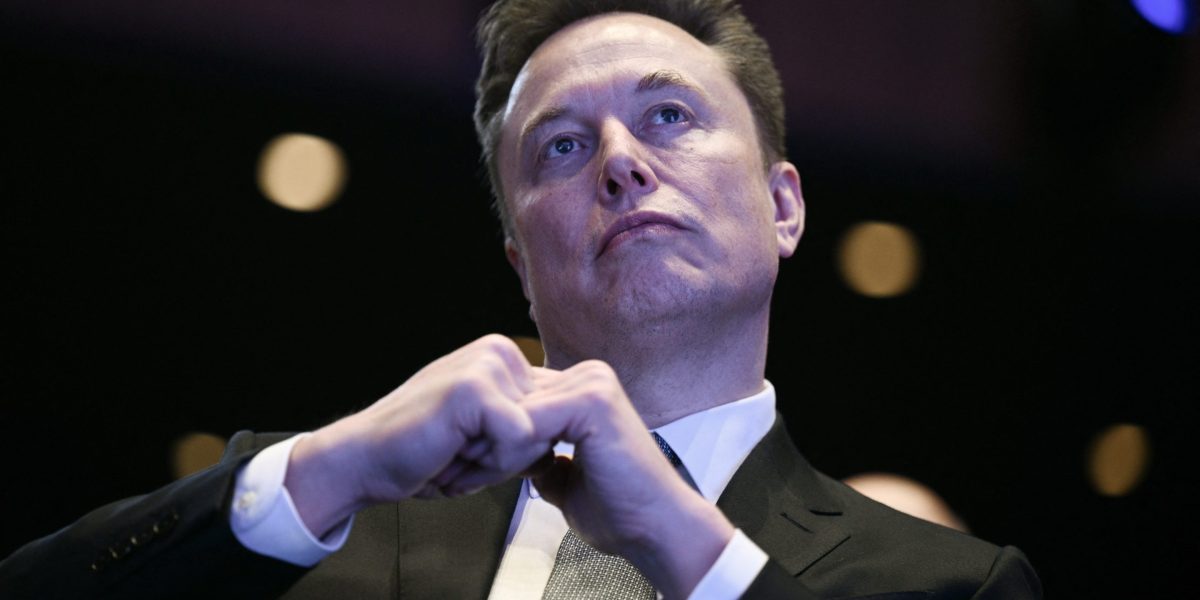
Elon Musk became the world’s first trillionaire after SpaceX began trading publicly on Friday, Fortune reported. The milestone matters because advisers say a fortune of that size is less a personal portfolio than a market-moving institution.
SpaceX shares opened at $150 under the ticker SPCX and reached $171 by midday, according to Fortune. The debut was described by Fortune as the largest initial public offering on record, and Musk’s net worth was tied to his majority holdings in SpaceX and Tesla.
Musk marked the listing at Nasdaq and said the outcome was difficult to square with SpaceX’s early days. Fortune reported that he recalled starting the company in a warehouse in El Segundo and said he had once expected the business to fail.
Advisers see a different kind of wealth problem
Jake Falcon, chief executive of Falcon Wealth Advisors, told Fortune he doubted any existing wealth adviser was prepared to manage $1 trillion. If hired by Musk, Falcon said, he would create a new kind of family office built around Musk’s goals and staffed to cover the full range of planning needs.
Falcon also told Fortune such an office would need people with enough authority to challenge Musk when they thought he was making a mistake. At this scale, advisers said, the task is not limited to picking investments or cutting taxes.
T.L. Turnipseed, head of estate and tax planning at Alta Trust Company, told Fortune that managing a trillionaire is not just billionaire planning with another zero. He said it begins to resemble private-company governance, with control, succession, creditors, taxes, public attention, volatility and philanthropy all handled together.
Turnipseed said the central issue becomes preserving direction and control while the dollar amount becomes too large for ordinary planning tools. In his view, the answer is a governance system rather than a standard investment portfolio.
Liquidity and market impact
Evan Mills, an associate financial adviser at Scholar Advising, told Fortune that a trillion-dollar fortune can affect markets with routine transactions. A billionaire may face concentration risk in one company or industry, he said, but a trillionaire can shift prices through the act of selling.
Mills said Musk’s public profile adds another layer of risk because investors would watch each transaction closely. He told Fortune that moves by a trillionaire could influence both retail investors and institutional investors, particularly when the wealth is tied to major operating companies.
Advisers also stressed that a $1 trillion net worth does not mean $1 trillion in cash. Mills told Fortune that borrowing against stock could create exposure to margin calls, lenders, interest rates and concentration in a small number of assets.
Falcon said public-market trades alone would be difficult because transactions of that size could move prices. He told Fortune that a plan for Musk would likely need a large private-investment component, while keeping the core structure clear and direct.
Succession becomes urgent
Turnipseed told Fortune that very large fortunes create legal, governance and tax risks before they create investment questions. He said a 1% inefficiency at $1 trillion equals about $10 billion, which is why the work would start with structure and protection.
He said a resilient trust architecture could protect assets, define decision-making, reduce avoidable transfer taxes, support giving and prevent future heirs from inheriting disorder. Mills added that Musk faces a particular succession issue because investor confidence in Tesla and SpaceX is closely tied to Musk himself.
Mills told Fortune that delaying succession planning at this level could create a crisis. He said investors in Tesla and SpaceX are partly backing Musk’s vision, and there is no assurance the companies would perform the same way under the next generation of owners.
This story draws on original reporting from Fortune.