
Musk’s fortune drops $240 billion after SpaceX stock slide
Bloomberg’s wealth index shows Elon Musk remains a trillionaire even after a SpaceX selloff cut a sum near IBM’s market value from his net worth.
By Hana Yoshida · Markets Reporter
3 min read
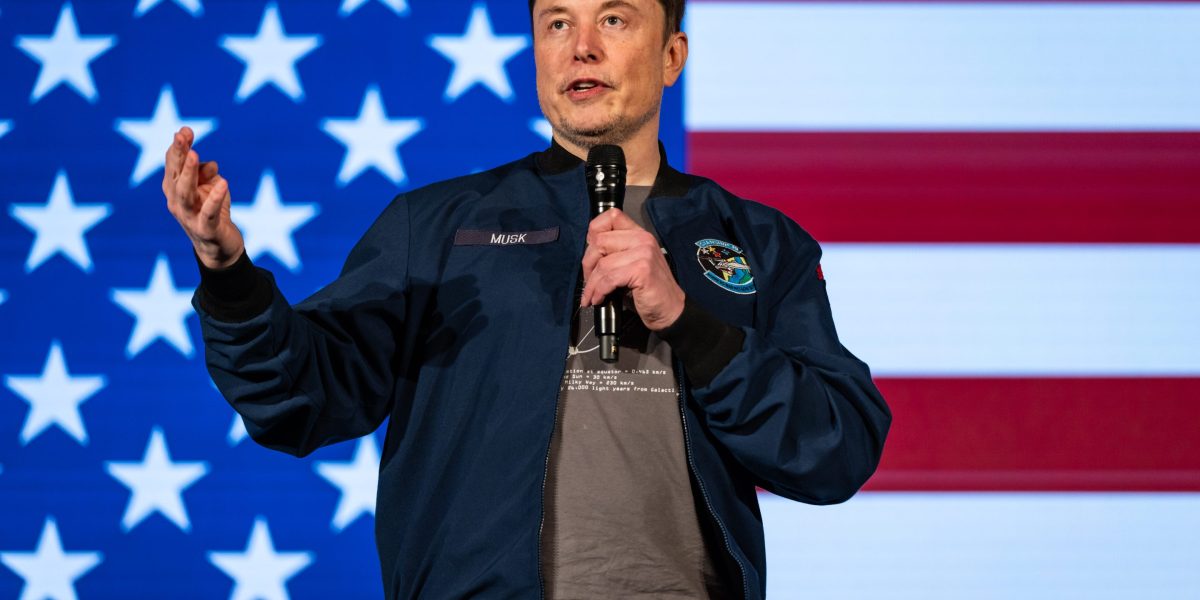
Elon Musk’s paper fortune has fallen by about $240 billion after a sharp pullback in SpaceX shares, according to figures cited by Fortune from the Bloomberg Billionaires Index. The swing matters because SpaceX’s public-market debut made Musk the world’s first trillionaire, and much of his wealth is tied to the rocket company’s stock.
Fortune reported that SpaceX went public earlier this month and briefly reached a valuation of $2.78 trillion, at one point moving past Amazon by market value. The company, formally Space Exploration Technologies Corp., gained about 20% on its first day of trading before investor enthusiasm cooled, Fortune reported.
SpaceX shares fell 16.43% in the prior session, wiping out roughly $400 billion in market value, according to Fortune. The company’s market capitalization stood at $2.03 trillion at the time of Fortune’s report.
Musk owns about 5 billion SpaceX shares, Fortune reported, making the stock central to his net worth. Bloomberg’s Billionaires Index put his wealth at $1.08 trillion after the drop, down from a peak of $1.32 trillion a week earlier.
The decline from June 16 to the following week was about $240 billion, according to Bloomberg figures cited by Fortune. Trading Economics data cited by Fortune put that amount near, and slightly above, the market capitalization of IBM; IBM said it employed about 270,000 people in 2024.
Tesla has also weighed on Musk’s wealth, Fortune reported. Shares of the electric-vehicle maker were down 6.6% over the past month and more than 7% for the year to date.
Even after the decline, Fortune reported that Musk remained the wealthiest person in the world and the only trillionaire. His potential SpaceX payout could grow further under terms disclosed in the company’s S-1 filing, according to Fortune and SEC documents.
Those terms would grant Musk an additional 1 billion restricted Class B shares if he meets 15 market-capitalization milestones reaching as high as $7.5 trillion and establishes a permanent human colony on Mars with at least 1 million residents, according to the filing cited by Fortune.
Some institutional investors have questioned SpaceX’s valuation and governance. Bloomberg reported that Danish pension fund AkademikerPension, which Fortune described as a $25 billion group, avoided SpaceX before the listing and called it “grossly overvalued” with a “catastrophic governance structure.”
Other market participants have pointed to the scale of the listing and its potential reach. Fortune cited Kaush Amin, U.S. Bank’s managing director and head of private market investing, as saying the IPO carried risks including “elevated valuation, governance, and volatility,” while also pricing in long-term leadership across telecom, AI infrastructure, defense and aerospace.
Prediction market Kalshi showed Nvidia CEO Jensen Huang as the leading candidate to become the next trillionaire, with odds of 50% at the time Fortune checked the market. Bloomberg data cited by Fortune put Huang’s net worth at $173 billion, up $18 billion this year, while Nvidia shares were up 10.5% for the year to date.
Kalshi gave Meta CEO Mark Zuckerberg odds of 23%, according to Fortune. Bloomberg figures cited by Fortune put Zuckerberg’s fortune at $201 billion, down $32 billion in 2026, while Meta shares were down 13% for the year.
This story draws on original reporting from Fortune.