
Musk says AI could make money irrelevant after SpaceX IPO
Fortune reported that SpaceX’s IPO pushed Musk’s net worth above $1.1 trillion as he predicted robots could end the need for currency.
By Maya Lindqvist · Senior Technology Correspondent
3 min read
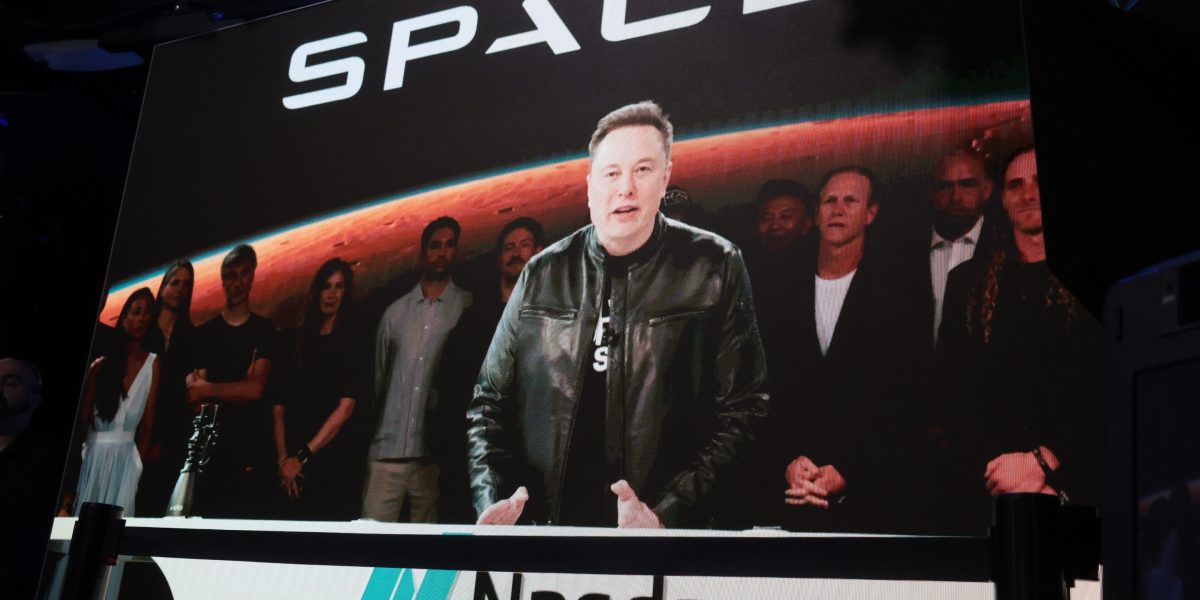
Elon Musk said artificial intelligence and robotics could eventually make money lose its purpose, even as a SpaceX IPO has lifted his wealth above $1.1 trillion, Fortune reported. The comments put his long-running automation forecasts alongside a sharper question: how work, income and ownership would function if machines produced most goods and services.
Musk made the remarks in a video posted Thursday on X by Peter Diamandis, the entrepreneur and executive chairman of the XPrize Foundation. In that conversation, Musk said that in a future shaped by AI and robots, “AI and robots are going to make so much stuff and provide so many services that they’ll run out of things to do for humans.”
Fortune reported that Musk described a future in which automated production expands the supply of goods and services beyond the supply of money. Under that view, cheap robot labor and limited growth in currency would push prices down and reduce the need for money.
“I think money will stop being relevant at some point in the future,” Musk said in the clip shared by Diamandis.
The timing drew attention because Musk’s fortune has just climbed after SpaceX shares opened at $150 in the company’s IPO, according to Fortune. The listing increased Musk’s wealth by about $180 billion in one day and put his net worth above $1.1 trillion, making him the world’s richest person for now, Fortune reported.
Diamandis pointed to the contrast during the conversation, asking Musk whether money was beginning to matter less just as he was becoming a multi-trillionaire. “Yeah, pretty much,” Musk replied.
Musk also played down the idea that his wealth was cash available to spend. He said it represented ownership stakes in companies he built, adding that the companies were doing useful work and that their rising valuations produced the headline number.
Fortune reported that Musk has previously argued that work could become optional and that retirement could become irrelevant in a more automated economy. The outlet also reported that he has cited Iain M. Banks’ Culture novels, which depict a post-scarcity society run with help from superintelligent AI, as an influence on his thinking.
Musk has framed “universal high income” as a possible answer to scarcity concerns, Fortune reported. Other figures have offered different ideas: OpenAI CEO Sam Altman previously supported universal basic income and backed a 2024 study that found $1,000 payments to low-income Americans reduced stress and food insecurity, but he later told The Atlantic he favored “collective ownership.”
In the U.K., Investment Minister Lord Jason Stockwood told the Financial Times earlier this year that the government was considering universal basic income for workers in areas exposed to AI, Fortune reported. Stockwood also said policymakers would need to consider lifelong learning programs so displaced workers could retrain.
Economists remain cautious about the speed and reach of the changes Musk predicts. Ioana Marinescu, an economist and associate professor of public policy at the University of Pennsylvania, has studied universal basic income as one possible response to AI-related job losses, but Fortune reported that she sees limits for low-income people burdened by debt or poverty traps.
Marinescu also raised concerns about whether people who profit from AI would support the taxes needed to fund broad income programs. Fortune reported that SpaceX did not respond to its request for comment.
This story draws on original reporting from Fortune.