
U.S. mortgage rates edge up to 6.52%, close to 2026 peak
Freddie Mac said the average 30-year mortgage rate rose for the week, keeping borrowing costs elevated for homebuyers.
By Daniel Okafor · Business Editor
3 min read
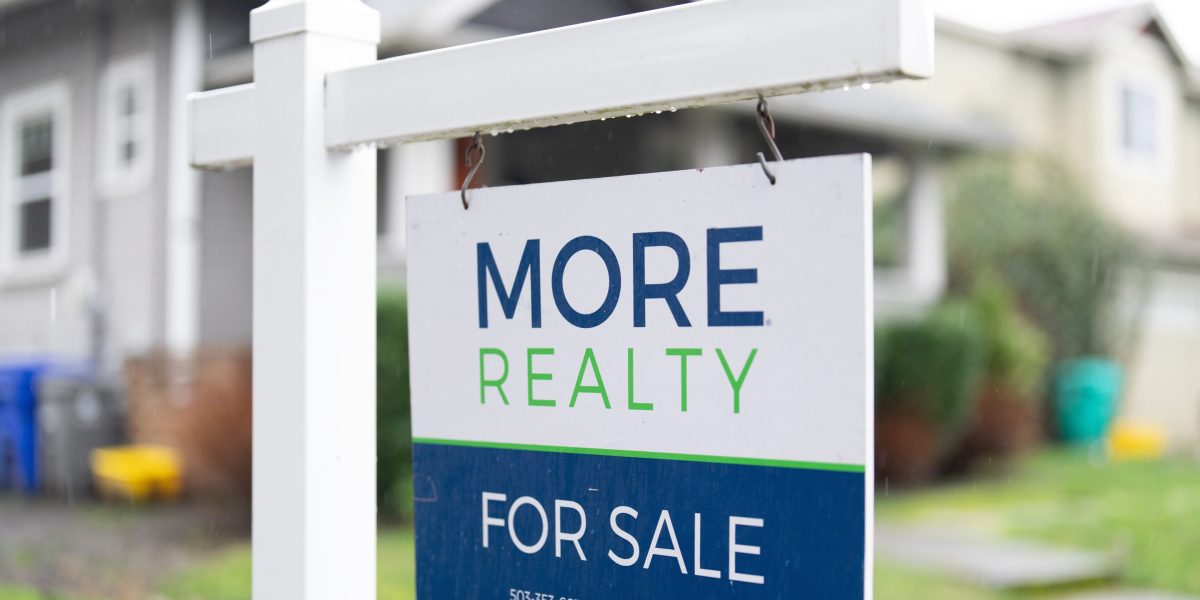
The average U.S. rate on a 30-year mortgage rose this week, keeping home-loan costs near their highest level of the year. The increase matters for buyers because higher rates can raise monthly payments and limit how much house borrowers can afford.
Freddie Mac said Thursday that the average rate for a 30-year fixed mortgage climbed to 6.52%, up from 6.48% a week earlier. The rate remained below its level from a year ago, when Freddie Mac said it averaged 6.84%.
The average rate on a 15-year fixed mortgage also moved higher, according to Freddie Mac. That rate rose to 5.84% from 5.79% the prior week; a year earlier, it stood at 5.97%.
Mortgage rates have stayed high compared with late February, when the 30-year average briefly moved below 6% for the first time since late 2022, according to Freddie Mac data cited by The Associated Press. The rate has not moved back under that level since then. Two weeks ago, the 30-year average reached 6.53%, its highest point since Aug. 28, according to AP.
Bond yields and oil prices keep pressure on rates
Mortgage rates tend to follow the 10-year Treasury yield, which lenders use as a reference point when pricing home loans. They are also shaped by Federal Reserve policy and investors’ views on inflation and the economy, according to AP.
AP reported that rates have mostly climbed since the U.S.-Iran conflict began in late February and disrupted crude oil flows from the Persian Gulf. The disruption pushed oil prices higher and contributed to inflation, AP reported.
The 10-year Treasury yield was 4.53% in midday bond-market trading Thursday, up from 4.47% a week earlier, according to AP. In late February, before the conflict began, the yield was 3.97%.
Housing market remains slow
Higher borrowing costs have weighed on demand, though mortgage rates are still lower than they were at the same time last year. AP reported that the uncertainty around future rate moves has kept many would-be buyers from entering the market.
Sales of previously owned U.S. homes fell in the first quarter from a year earlier, extending a housing slowdown that began in 2022 as mortgage rates rose from pandemic-era lows, according to AP. Existing-home sales were roughly unchanged in April and then picked up in May to their fastest pace since December, AP reported.
Even with that improvement, existing-home sales remain near a 4 million annual pace, well below the historical norm of about 5.2 million, according to AP.
Recent loan demand showed some buyers are still willing to proceed at current rates. The Mortgage Bankers Association said mortgage applications rose 10.8% last week from the previous week after several weeks of declines, with both purchase and refinance applications rebounding.
Jiayi Xu, an economist at Realtor.com, said the increase in applications was an encouraging signal for housing heading into the second half of the year after a weak spring buying season. Xu also warned that if inflation continues to rise faster than wages, household budgets could face more strain from reduced purchasing power and high mortgage rates, weighing on housing demand this summer.
This story draws on original reporting from Fortune.