
Morgan Stanley strategist says Warsh Fed could shift bond volatility
Jim Caron says a more data-driven Fed may make short-term Treasuries more volatile while calming longer-term borrowing benchmarks.
By Hana Yoshida · Markets Reporter
3 min read
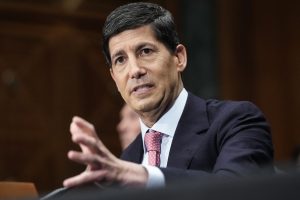
Morgan Stanley’s Jim Caron says investors may need to rethink how they read the Treasury market under Federal Reserve Chair Kevin Warsh. Caron told Fortune that Warsh’s early approach could push more volatility into short-term bonds while reducing swings in longer-term yields that influence mortgages, corporate debt and other borrowing costs.
Longer-dated Treasuries are closely watched because their yields help set rates across the economy, according to Fortune. The 10-year Treasury yield has ranged from 3.96% to 4.66% this year, while the 30-year yield has moved between 4.54% and 5.18%, Fortune reported, citing CNBC market data.
Caron, chief investment officer of portfolio solutions at Morgan Stanley, said Warsh’s policy style could change where investors look first. Instead of treating the 10-year and 30-year bonds as the main gauges for risk and policy expectations, Caron said market participants may need to focus more on one- and two-year maturities.
Fed strategy could move the pressure point
Warsh has asked a Federal Reserve task force to review the quality and timing of data used by the central bank, according to Fortune. That could mean greater use of current information rather than relying as heavily on older survey-based data.
Fortune also reported that Warsh has begun outlining a communications approach that would use less forward guidance, the practice of signaling where interest rates may be headed over time. Caron said the mix of more real-time decision-making and less long-range signaling could make the front end of the yield curve more sensitive to incoming data.
Caron told Fortune that if Warsh changes his views more frequently because he wants policy to reflect current conditions, short-term Treasury yields are likely to move more. He said that if the Fed succeeds, longer-term yields could become steadier because investors would believe the central bank is reacting sooner to changes in inflation or growth.
As an example, Caron said a quicker Fed response to rising inflation could lead to earlier hawkish moves. That would likely jolt the two-year Treasury, he said, while potentially limiting volatility in the 10-year note.
Borrowers could feel the effect
The potential benefit, Caron said, would show up in borrowing costs tied more closely to longer-term rates. Mortgages and many corporate loans tend to reflect longer maturities, he told Fortune, so less volatility in that part of the market could help homeowners and companies.
Fortune noted that such an outcome would fit with a less-discussed part of the Fed’s mandate: moderate long-term interest rates. The central bank is more often described through its goals of stable prices and maximum employment, but long-term rates are also part of its statutory objectives, according to Fortune.
Caron said investors should therefore pay closer attention to short-term rates than they may be used to doing. He described the front end of the curve to Fortune as a kind of shock absorber for the back end, while stressing that this was his interpretation because the Fed task force has not released its conclusions.
Warsh’s approach could create political tension, Fortune reported, because President Trump has pressed for lower interest rates. Caron cautioned against assuming Warsh will act as a consistent dove, saying economists who have followed him cannot easily classify him as either dovish or hawkish because he has taken both positions at different times.
This story draws on original reporting from Fortune.