
Meta Ray-Bans privacy concerns push Instagram to remove harassment videos
Instagram says it will remove videos that exploit or harass people after covert clips filmed with Meta smart glasses spread online.
By Daniel Okafor · Business Editor
3 min read
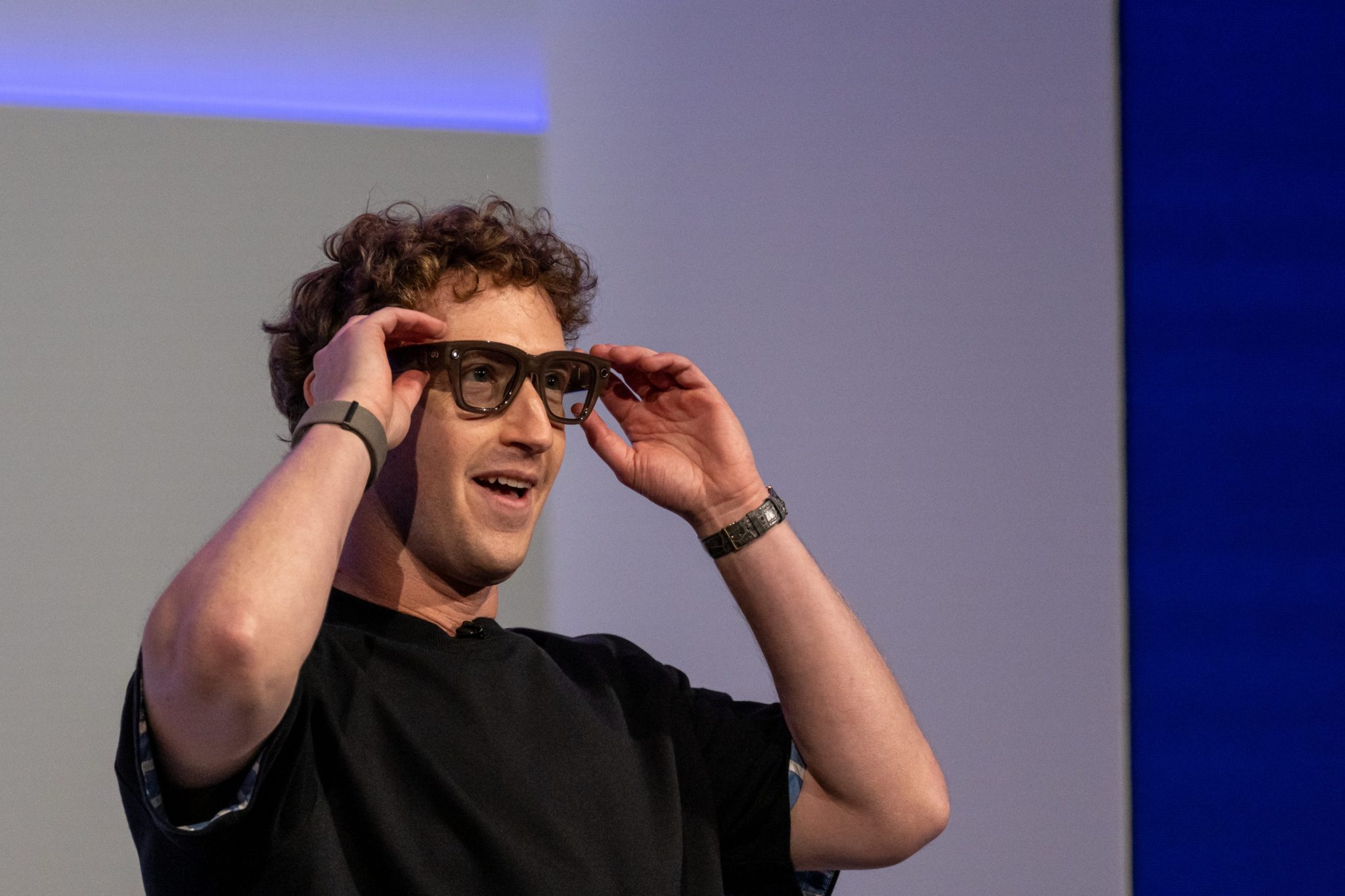
Instagram is taking down some videos filmed with Ray-Ban Meta smart glasses, a move that puts Meta Ray-Bans privacy concerns back at the center of the company’s AI hardware push. Instagram head Adam Mosseri said last week that content exploiting or harassing people, including pickup-line videos, would be removed from the platform.
Fortune reported that Meta has also removed creator accounts that broke the policy. The action follows the spread of prank and pickup-artist clips in which women were recorded in public using the glasses’ built-in camera, often without realizing they were being filmed.
Ray-Ban Meta glasses are smart glasses made by Meta with EssilorLuxottica. They can take photos and videos, livestream, translate language and answer questions through AI features, according to Meta.
Why is Instagram removing Meta Ray-Bans videos?
Mosseri said on Instagram Stories that posts taking advantage of people or harassing them would come down. Fortune reported that many of the clips at issue used the glasses for hands-free recording in public, feeding online criticism that has branded the devices “pervert glasses.”
The dispute highlights a hard problem for Meta as it tries to turn AI glasses into a common consumer device. A camera worn on someone’s face can be less obvious to bystanders than a raised phone, making ordinary public encounters harder to read.
Thorin Klosowski, a security and privacy activist at the Electronic Frontier Foundation, told Fortune that people historically had clearer cues when someone was taking a picture or recording video. With smart glasses, he said, people nearby may not know whether recording is happening unless they are directly in front of the wearer.
How Meta says the glasses protect privacy
Meta told Fortune that it designed privacy protections into the glasses’ camera. The company said each pair has a white LED that flashes when a user takes a photo or records video, and that the light cannot be switched off.
In a July 7, 2026, blog post, Meta said photos and videos captured on the glasses stay private unless the wearer shares them. The company also said it updated the product so the camera automatically shuts down if it detects the recording light has been damaged or physically altered.
Those assurances have not ended scrutiny. Fortune reported earlier this year on a lawsuit alleging that contractors in Kenya reviewed user-shared interactions that included sensitive footage, such as videos of people in bathrooms, undressing or handling financial documents. Meta pushed back on privacy concerns in its statement to Fortune.
Smart glasses are growing despite the backlash
Meta and EssilorLuxottica expanded their glasses lineup in June 2026 with three new Meta Glasses frames across 26 styles starting at $299, after Meta introduced four new AI glasses in 2025, according to company announcements cited by Fortune.
Demand has also risen. IDC said shipments of smart glasses without displays jumped 167% from a year earlier in the first quarter of 2026 to about 2.25 million units, with Meta holding 69.2% of that market.
Wired reported in March 2026 that aspiring influencers and pickup artists were using Meta’s smart glasses to record unsolicited interactions with women before posting the clips online. The BBC reported that U.K. convention organizer Monopoly Events banned Meta glasses and other wearable recording devices from its Comic-Con events after attendees and celebrity guests raised concerns about covert recording.
Civil liberties groups are also warning about what could come next. In April, 75 organizations, including the ACLU and the Electronic Privacy Information Center, urged Meta to stop plans to add facial recognition to Ray-Ban and Oakley glasses, saying the technology could make stalking, harassment and surveillance easier.
Bloomberg’s Mark Gurman reported that Apple plans to introduce its first smart glasses at WWDC next June, with privacy as a central focus, on-device AI processing, no facial recognition and no always-on recording. Apple did not immediately respond to Fortune’s request for comment.
This story draws on original reporting from Fortune.