
Luxury longevity clinics expand across aging Asian markets
Hotels, wellness clinics and insurers are chasing demand for longer healthy lives, while researchers warn evidence for many treatments remains thin.
By Hana Yoshida · Markets Reporter
4 min read
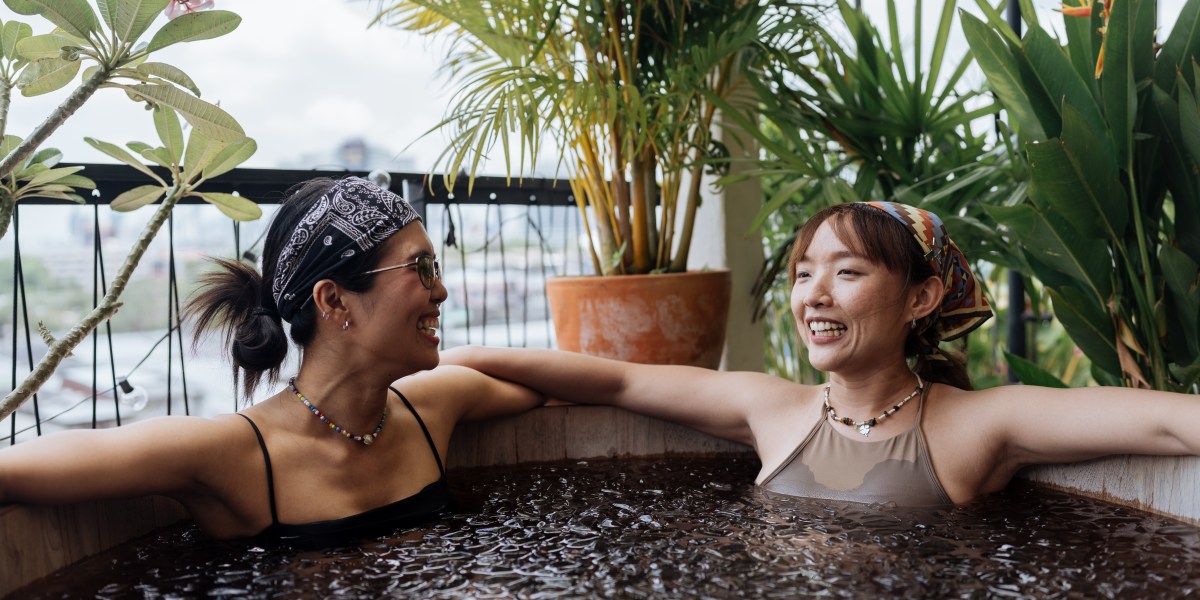
High-end longevity clinics are spreading in Asia as older populations and rising wealth create demand for services that promise healthier aging. Fortune reports that the growth is drawing luxury hotels, wellness operators and insurers into a market where scientists say consumer interest is running ahead of proof.
Asia’s demographics are a major driver. Fortune reports that by 2030, one in four people in Asia will be over 60, while Japan, South Korea, Taiwan and Singapore already qualify as “super-aged” societies, with Thailand and Malaysia close behind.
The business now sits at the intersection of hospitality, medicine and wellness. In Singapore, Fortune described Rekoop as offering treatments such as red light therapy, lymphatic massage and hyperbaric oxygen therapy, while METT Singapore partnered with European anti-aging operator the Longevity Suite to open an Asian branch inside the hotel.
Capella has also announced a Bangkok project of 262 wellness-integrated branded residences, according to Fortune, with services such as a wellness concierge and biometric checkpoints for residents.
A luxury market built around healthy aging
Andrea Maier, a gerontology professor at the National University of Singapore, told Fortune that consumers increasingly want to stay independent and productive as they age, rather than only add years to life. The industry often describes that goal as extending “healthspan,” or the years spent in good health.
Fortune reports that higher incomes in Asia are adding to demand for preventive health services, advanced medical tools and better insurance options. Lau Kong Cheen, a marketing expert at the Singapore University of Social Sciences, told Fortune that the pandemic also pushed some consumers to view health and well-being as central to luxury spending.
The offerings often combine newer equipment with older traditions. Ada Lo, an associate professor at Hong Kong Polytechnic University, told Fortune that U.S. longevity services are often tied to performance tracking, supplements and biohacking, while Asian offerings tend to blend diagnostics, traditional healing, meditation, food-based wellness and premium service.
Fortune reports that some resort and clinic brands are adding traditional Chinese medicine and Ayurvedic elements to their programs. Nort Janssen, chief executive of the Longevity Suite Asia, told Fortune that the company’s Asia-Pacific branches will include Western diagnostics as well as Ayurvedic and traditional Chinese medicine assessments.
Evidence remains uneven
Researchers cited by Fortune cautioned that many treatments sold as longevity services do not yet have the evidence base of established medical care. Maier told Fortune that public excitement has moved faster than scientific validation, especially for claims around red light therapy and cold exposure as ways to extend healthspan.
A 2025 study in PLOS One found that hot and cold plunges helped speed post-exercise muscle recovery in men, but not in women, according to Fortune. Maier also told Fortune that evidence for routine NAD+ supplementation in healthy adults remains limited and warned that stem-cell therapies can carry risks including immune rejection and teratoma tumors.
The biotechnology sector is also studying treatments that may affect aging-related health. Fortune reports that studies of GLP-1 drugs have shown improvements in health measures including blood glucose, cardiovascular death rates and chronic kidney disease progression, while Insilico Medicine founder Alex Zhavoronkov said at Fortune’s Innovation Forum that GLP-1s show signals as potential longevity drugs.
Cost is another barrier. Fortune reports that Chi Longevity, co-founded by Maier, sells packages from 4,250 Singapore dollars, or about $3,290, to 18,000 Singapore dollars, or about $13,920. Janssen told Fortune the Longevity Suite is aimed at ultra-wealthy customers.
Drug costs can also be high. Fortune cited Novo Nordisk pricing Ozempic at about $350 to $500 a month, while Wegovy costs $1,350 a month through Sesame Care.
Zilmiyah Kamble, a senior lecturer at James Cook University in Singapore, told Fortune that longevity sold only as a luxury product risks widening the divide between people who can pay for preventive wellness and those who cannot. Fortune reports that major regional insurers including Ping An, AIA and Prudential generally do not cover elective longevity treatments.
Maier told Fortune that the strongest-backed ways to extend healthy years remain familiar measures: exercise, nutrition, sleep, vaccination, mental well-being and early disease detection. Those interventions are cheaper than many clinic packages, even if they lack the luxury industry’s polish.
This story draws on original reporting from Fortune.