
Los Angeles film work sinks as productions shift away
FilmLA data cited by Fortune shows local shoot days fell sharply, deepening worries over Hollywood jobs, streaming economics and runaway production.
By Hana Yoshida · Markets Reporter
3 min read
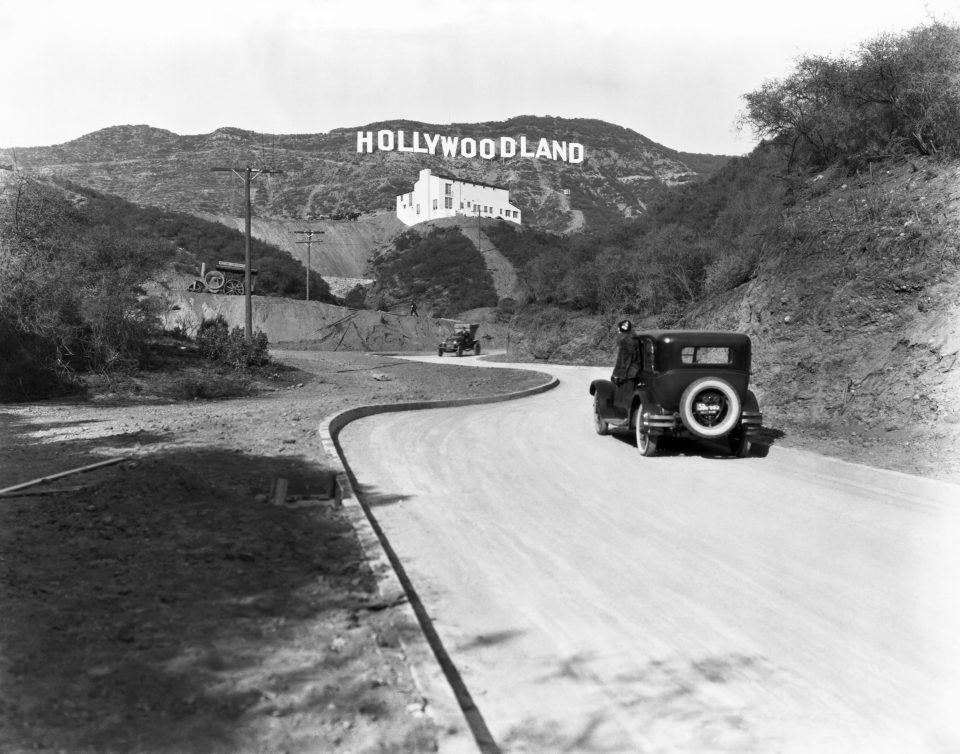
Los Angeles is preparing to host the Academy Awards while much of the filmmaking business celebrated there is being done elsewhere. Fortune reported that none of the 10 Best Picture nominees was produced on Hollywood’s best-known stages or studio lots, with filming taking place largely outside Los Angeles.
The shift matters because production work has been falling in the city that still gives the industry its name. FilmLA research cited by Fortune shows Los Angeles shoot days dropped from 36,792 in 2022 to 19,694 in 2025. Fortune also reported that about 41,000 entertainment workers left the sector from 2022 to 2024, the latest period for which it cited data.
The pressure is coming from several directions: streaming has changed how shows are ordered and paid for, production is moving to cheaper cities and countries, and artificial intelligence has become a fresh concern for workers. Michael Lynton, the former chief executive of Sony Pictures Entertainment, told The Hollywood Reporter that during a recent visit to Los Angeles, “There’s nothing going on.”
A production cluster under strain
Fortune framed Hollywood as a once-dominant example of an industry cluster, the term associated with Harvard Business School professor Michael Porter. Porter described clusters as concentrations of companies and skilled workers that gain strength from proximity, shared knowledge and competition.
That model built Los Angeles into the center of American film and television. Early producers moved west in the early 20th century for cheaper land, good weather and distance from Thomas Edison’s patent enforcement, Fortune reported. Major studios, suppliers, stages and skilled crews then concentrated around the city.
Fortune reported that the cycle is now working in reverse. Productions have moved to New York, Louisiana, the U.K., Atlanta, Vancouver and other locations, often chasing lower costs, subsidies or both. Producer and writer Mark Goffman told Fortune he has worked in Taiwan and seen production grow in parts of Asia, the Middle East and Eastern Europe.
Streaming changed the job ladder
Several workers told Fortune that streaming has weakened the steady work patterns that once supported middle-class entertainment careers. Writer Jason Lazarcheck said network-era shows often ran more than 20 episodes a season, keeping writers employed through production and giving them on-set training.
Streaming orders are shorter and less predictable, according to Lazarcheck and Goffman. Lazarcheck told Fortune that some series now make only four or five episodes, and writers may be hired to draft scripts before a company decides whether to produce the show.
The 2023 strikes by writers and actors added to the disruption. Fortune reported that the unions went nearly five months without salaries while seeking better pay, staffing rules, health insurance improvements and protections involving AI.
Netflix’s role looms over the business
Fortune reported that many industry veterans identify Netflix as the company that most altered Hollywood’s business model. The company’s streaming service gave it a direct relationship with subscribers and extensive viewer data, advantages that older cable-based businesses lacked.
Luminate’s 2025 Year-End Film & TV Report, cited by Fortune, said Netflix had 325 million subscribers and drew 59% of U.S. streaming viewing time last year, with 10 other streamers sharing the rest. Variety ranked Netflix co-CEO Ted Sarandos No. 1 on its December 2025 list of Hollywood’s most powerful people, according to Fortune.
Pay practices have also changed. Jason Blum, founder and chief executive of Blumhouse Productions, wrote in The New York Times in 2022 that Netflix typically pays larger upfront fees while buying out traditional back-end compensation, leaving creators with little visibility into performance.
The result, according to Fortune’s account, is a city still central to the image of American entertainment but less central to its day-to-day production. Los Angeles remains the symbolic home of Hollywood, while more of the work, money and career development that built it is spreading elsewhere.
This story draws on original reporting from Fortune.