
LGBTQ+ shoppers shift spending over corporate DEI pullbacks
A Human Rights Campaign Foundation survey says LGBTQ+ consumers are cutting spending at some brands and rewarding others over diversity policies.
By Maya Lindqvist · Senior Technology Correspondent
3 min read
LGBTQ+ consumers are changing where they shop based on how they view companies’ diversity, equity and inclusion policies, according to new research from the Human Rights Campaign Foundation. The findings point to a consumer group with significant economic weight: the National LGBT Chamber of Commerce estimates LGBTQ+ consumers account for more than $1.7 trillion in U.S. spending power.
The Human Rights Campaign Foundation said in a report released Wednesday that nearly 72% of LGBTQ+ consumers surveyed reported buying less from companies they see as pulling back diversity and inclusion commitments. Nearly 70% said they had refused to buy from such companies at least some of the time, according to the group.
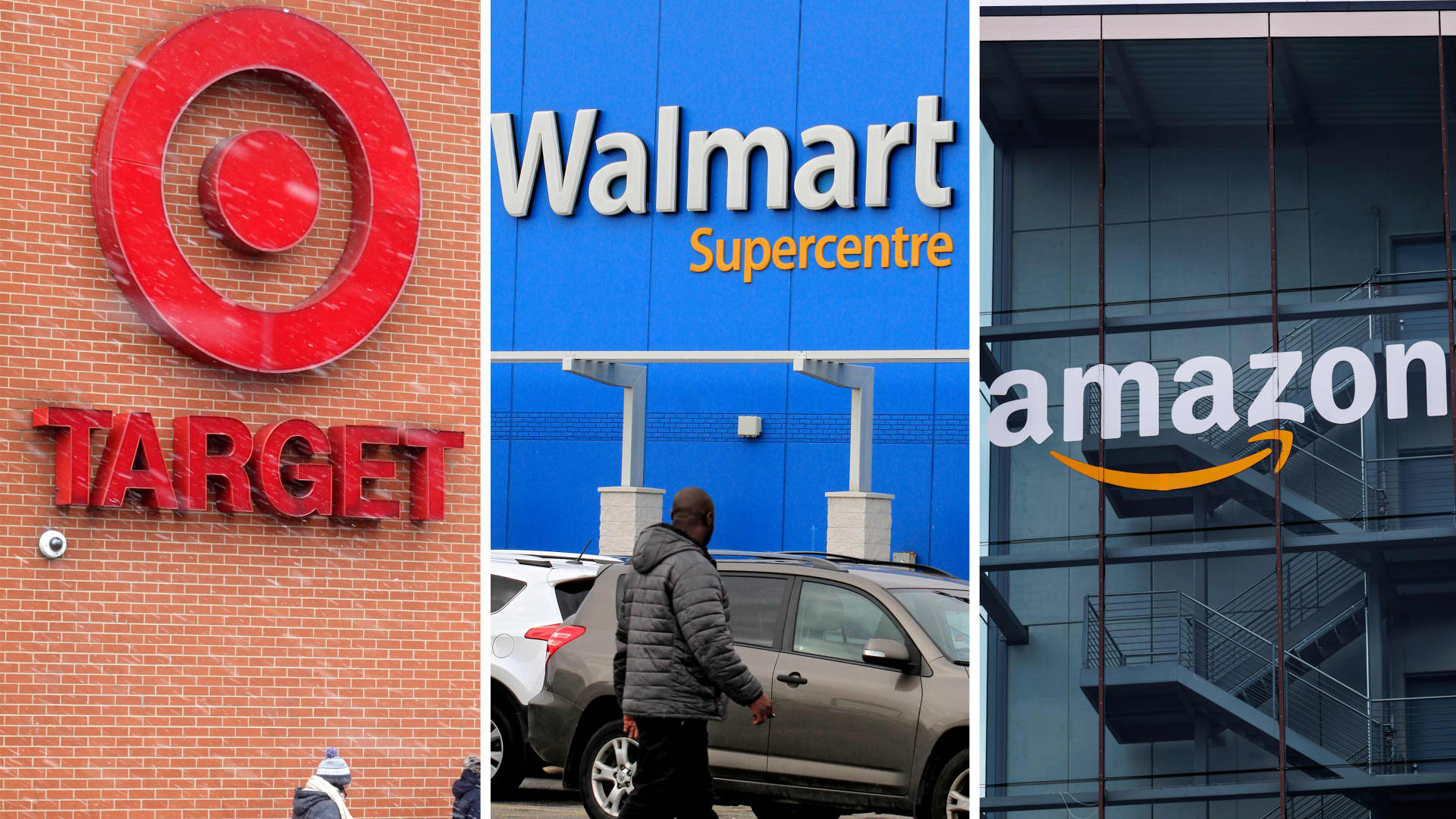
Respondents most often named Target, Walmart, Amazon, Chick-fil-A and Home Depot as companies where they had reduced spending, according to HRC. The survey also found that nearly 70% of LGBTQ+ consumers said they were spending more with companies they viewed as supportive of diversity and inclusion.
Costco, Apple, Ben & Jerry’s, Delta Air Lines and Kroger were the companies most often cited by respondents who said they had increased spending, according to the HRC survey.
Corporate DEI moves draw consumer response
The survey arrives as some companies have reduced diversity programs, altered public DEI efforts or stopped taking part in HRC’s Corporate Equality Index, which evaluates workplace policies and benefits for LGBTQ+ employees. HRC reported earlier this year that Fortune 500 participation in the index dropped 65%, from 377 companies in 2025 to 131 in 2026.
Jonathan Lovitz, a spokesman for the Human Rights Campaign, said consumers want clarity from companies. “Consumers aren’t asking the brand to be perfect they’re asking them to be transparent and clear on where they stand,” Lovitz said, according to CNBC. He added that companies face “a gap to close between perception and what you’re doing inside.”
Amazon told CNBC it continues to support employees and serve a broad customer base. “We’ve continued to support our employees with opportunities that allow them to grow, thrive, and connect internally and in their communities,” a company spokesperson said.
CNBC reported that the other companies named in the survey did not immediately provide comment.
Target and Costco show the split
Target was the company most often cited by survey respondents who said they were spending less, according to HRC. The retailer has drawn criticism from different political groups over its handling of Pride merchandise and DEI policies.
Consumer Edge data cited by CNBC showed self-identified Republican shoppers cut spending at Target in the summer of 2023 after controversy over the company’s Pride Month merchandise displays. The data also showed spending by self-identified Democrats declined in early 2025 after Target rolled back several DEI initiatives.
Target reported in its most recent quarter that same-store sales turned positive for the first time in five quarters. The retailer also remains a publicly listed supporter of some LGBTQ+ events, including as a platinum sponsor of NYC Pride’s 2026 celebration.
Costco ranked first among companies where surveyed consumers said they had increased spending, according to HRC. The retailer has defended diversity initiatives, and its shareholders voted earlier this year against a proposal that would have required a review of risks tied to its DEI programs.
Lovitz said companies that have built trust with LGBTQ+ consumers tended to keep their approach consistent. Consumer Edge data cited by CNBC showed Costco had the strongest year-over-year spending growth among self-identified Democratic consumers in the months after that shareholder vote.
This story draws on original reporting from CNBC.