
El Niño forecasts raise risks for food prices and global growth
NOAA says El Niño has formed in the Pacific, with early forecasts pointing to a potentially very strong event that could strain crops, trade and inflation.
By Sofia Marchetti · World Affairs Correspondent
3 min read
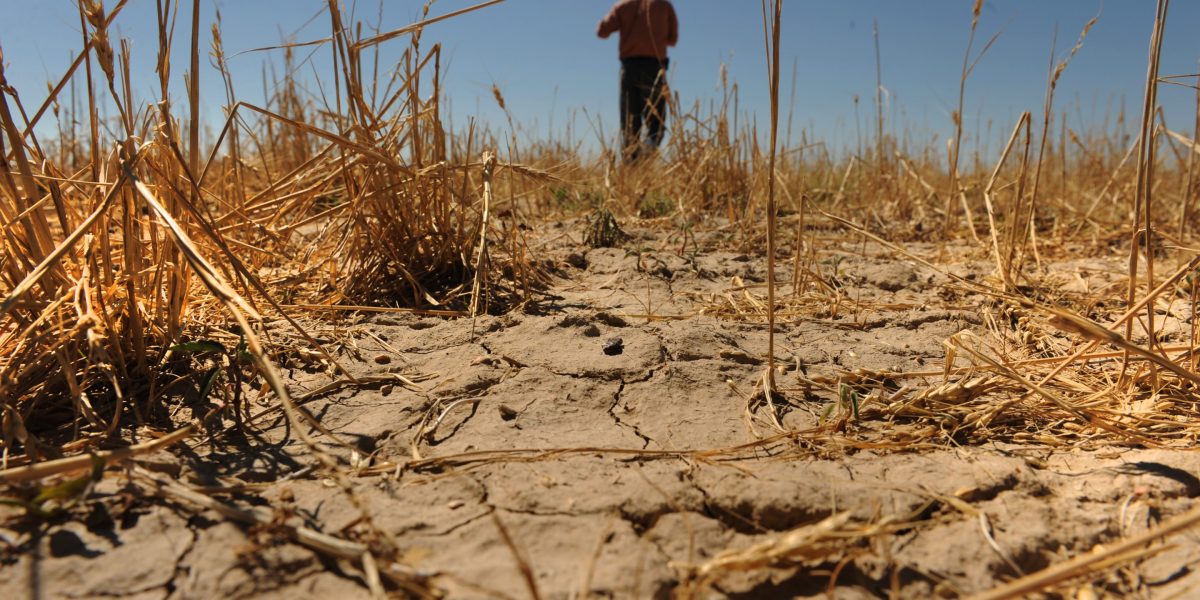
NOAA says an El Niño has formed in the Pacific Ocean, raising the risk of weather disruptions that can hit crops, shipping and prices across the global economy. Early forecasts point to a potentially intense cycle, a warning for governments and companies already dealing with elevated energy and food costs.
The U.S. National Oceanic and Atmospheric Administration said forecasters see a 63% chance that Pacific sea surface temperatures will rise more than 2.0 degrees Celsius above average, a level associated with a very strong El Niño. The World Meteorological Organization has also said the event is expected to be at least moderate and possibly strong.
Past El Niños carried heavy costs
El Niño develops when wind patterns over the Pacific weaken, leaving unusually warm surface water near the coasts of North and South America rather than pushing it toward Asia and Oceania. NOAA says the pattern can last up to a year and shift weather across regions, including drought in parts of Indonesia and heavier rain in the southern United States.
A 2023 paper in Science estimated that two powerful El Niño events caused global income losses of $4.1 trillion in 1982 and $5.7 trillion in 1997. The researchers tied the damage largely to extreme weather, including heat, flooding and losses in agricultural production.
The same study projected that El Niño events could reduce global economic output by a cumulative $84 trillion over the 21st century. Forecasts for the specific cost of the current cycle are not yet available, but several institutions are already warning that a strong event would add pressure to vulnerable economies.
Food and trade risks
Fitch Ratings said in an analysis published Monday that poorer countries and economies dependent on agriculture face the highest risk from El Niño-related disruption. Fitch analysts said long-lasting shortages could add to pressure on global food commodity prices and affect inflation even in highly rated sovereign borrowers.
The European Commission said Monday that staple crops including wheat, corn and rice are likely to face price pressure during the cycle. Its forecast said a strong El Niño would add to existing strain from the war in Iran, which has already affected prices for farm inputs such as fertilizer.
Energy markets have also been under stress. Bloomberg reported that physical oil prices reached $140 a barrel at one point, the highest level since 2008, after conflict in the Middle East disrupted shipping through the Strait of Hormuz. President Donald Trump later announced a pending agreement with Iran to halt hostilities and reopen the waterway to ship traffic.
El Niño can also interfere with trade routes by reducing water levels at key canals. In 2023, a strong El Niño contributed to drought in Central America that pushed Panama Canal water levels to historic lows, according to the Peterson Institute for International Economics, and canal operators cut daily ship transits from 36 to 24.
The Panama Canal Authority has said it expects few material changes to transit volumes this year, according to a recent update cited by Argus Media. The authority has also indicated it is preparing operational changes for 2027, when El Niño’s effect on water levels is expected to peak.
This story draws on original reporting from Fortune.