
Kohl’s returns to coupons and private brands as turnaround faces doubts
The retailer is trying to revive sales by focusing again on value, store experience and core customers after years of weak results.
By Maya Lindqvist · Senior Technology Correspondent
3 min read
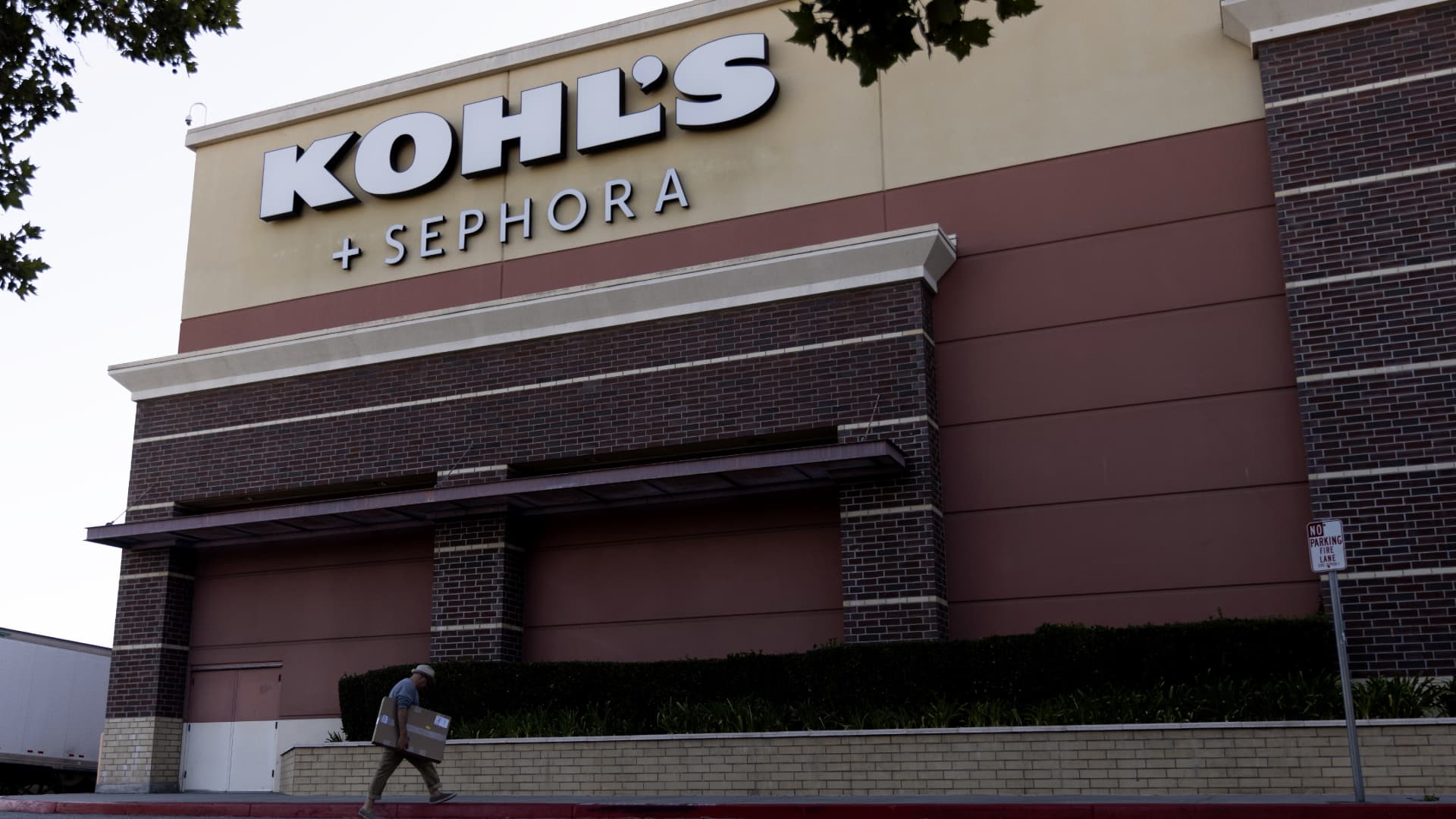
Kohl’s is trying to rebuild its business after years of sales pressure, strategic shifts and a steep drop in its stock price. CEO Michael Bender told CNBC the retailer is returning to the value-driven approach that helped make it a familiar name for middle-income shoppers.
The company’s shares have lost nearly 70% over the past five years, according to CNBC, as Kohl’s reported weak sales and struggled to hold onto shoppers. The stock has rebounded more than 130% in the past year, but analysts told CNBC that Wall Street remains cautious about whether the chain can produce lasting growth.
Kohl’s went public in 1992 and gained ground in the early 2000s with coupons, proprietary brands and Kohl’s Cash rewards, CNBC reported. Its stock reached an all-time high of $82 in late 2018, and the company reported $20.23 billion in revenue for the fiscal year ended February 2019.
The momentum faded as department stores broadly lost ground and Kohl’s made changes that weakened its connection with core shoppers. Gordon Haskett analyst Chuck Grom told CNBC that Kohl’s hurt itself by shifting toward off-price retail, changing its assortment and limiting coupons.
Bender said the company took away categories such as petites and jewelry, which he described as products customers could not easily replace elsewhere. He told CNBC that the retailer “stopped listening to the customer,” contributing to stagnant sales, lower store traffic and unclear strategy.
Competition also intensified. CNBC reported that Walmart and T.J. Maxx gained share as Kohl’s struggled, while Amazon continued to grow online. Jefferies analyst Blake Anderson told CNBC that department stores face pressure from off-price chains, specialty brands and direct-to-consumer sellers, making it harder for Kohl’s to compete on value.
Sonia Lapinsky, managing director of retail at AlixPartners, told CNBC that consumers under budget pressure are looking for strong prices, brands and value. She said Kohl’s repeated changes in focus, including pushes into athletic wear, fashion and private-label products, created confusion about what shoppers should expect in its stores.
Back to the old playbook
Bender, who became CEO in late 2025, told CNBC he is focused on restoring the pieces that once worked for Kohl’s: proprietary brands, coupons, value and dependable product availability. He said the company still has an opportunity with families looking for convenience and deals.
In its most recent earnings report, Kohl’s posted its strongest comparable sales growth in four years, even as revenue declined, CNBC reported. The company reported $3 billion in revenue, above Wall Street estimates, and forecast full-year net sales and comparable sales between a 2% decline and flat.
Kohl’s shares jumped 20% after that report, according to CNBC. Grom said the company’s return to its core identity makes sense and would have faced greater problems had it stayed on its prior path.
The retailer is also trying to attract younger shoppers through Sephora shops inside Kohl’s stores. Bender told analysts the Sephora business underperformed in the latest quarter and declined by a low-single-digit percentage, though CNBC reported the partnership has generated billions of dollars in sales over time.
Anderson said the Sephora shops are a way for Kohl’s to use store space differently while drawing younger customers. Bender told CNBC that the company wants those shoppers to buy more across the rest of the store after coming in for beauty products.
Wall Street has not fully endorsed the turnaround. TD Cowen analysts wrote in a June note cited by CNBC that Kohl’s is making the right strategic decisions, but they kept a hold rating because of weakness in apparel and footwear.
Bender also cautioned that the recovery is still early. He told CNBC the company has made progress, but has not completed the work needed to return to consistent growth.
This story draws on original reporting from CNBC.