
Kevin O’Leary says respect matters more than likability in leadership
The Shark Tank investor told Fortune that lessons from Steve Jobs shaped his blunt view of leadership and execution.
By Sofia Marchetti · World Affairs Correspondent
3 min read
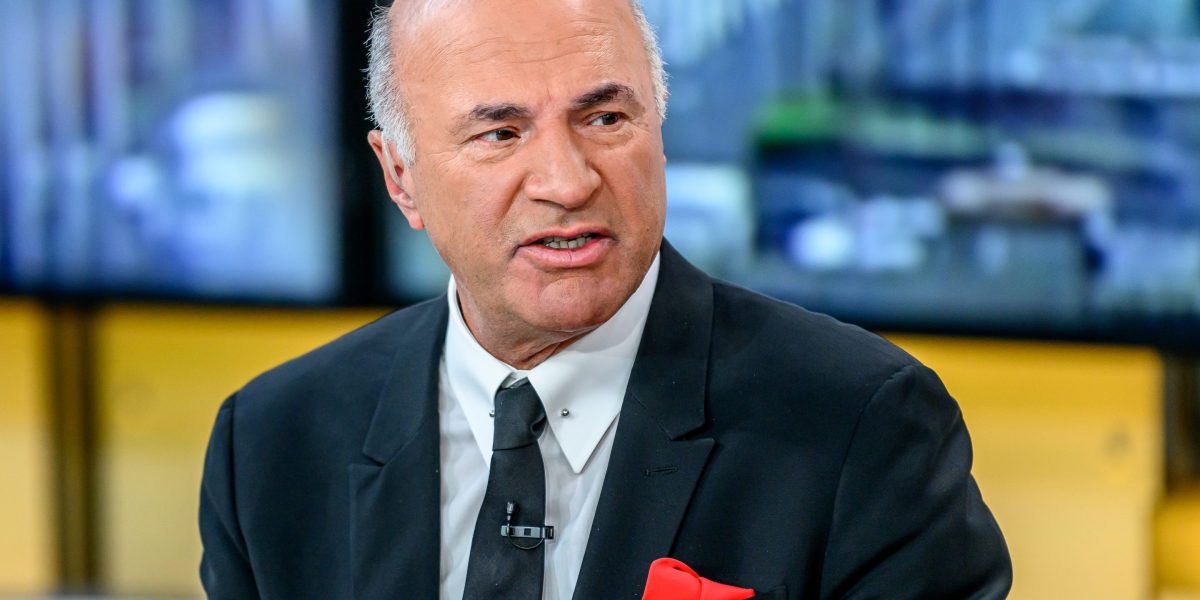
Kevin O’Leary says leaders who focus on being liked risk losing sight of execution. The Shark Tank investor told Fortune that his experience working with Steve Jobs helped shape his belief that respect matters more than personal approval.
O’Leary, known on television as “Mr. Wonderful,” told Fortune last year that colleagues do not need to be friends. He said workers should respect a leader who advances their careers, helps them make money and supports their goals.
Fortune reported that O’Leary links that view to what he calls a “founder’s mindset,” a way of operating that filters out distractions and concentrates on a handful of priorities. O’Leary said worrying about likability can cause leaders to miss what he described as the “signal.”
“I don’t spend a lot of time on likability, I don’t care about that,” O’Leary told Fortune. “If you spend your time worrying about that, you’re going to fail for sure, because you’re going to miss the signal.”
Jobs shaped O’Leary’s view of tough leadership
O’Leary worked with Jobs in the 1990s while SoftKey Software Products was developing educational software with Apple, according to Fortune. O’Leary later sold SoftKey to Mattel in 1999 for $4.2 billion, Fortune reported.
During the Apple project, O’Leary said he suggested asking teachers and students what they wanted from the software. According to Fortune, Jobs rejected that approach and said the products would perform best under his direction.
O’Leary told Fortune that Jobs proved correct in that case. He said the partnership made money and that Jobs’ message was to build the software properly while Apple delivered the market.
Fortune reported that O’Leary’s current venture firm, O’Leary Ventures, has invested in startups including Blueland and Groovebook. Blueland passed $300 million in lifetime sales last November, while Groovebook was described by Fortune as a $14.5 million photo-printing app.
O’Leary told Fortune that he knows his bluntness can put people off, but said he does not spend much time worrying about it. He said Jobs operated in a similar way and that results, rather than popularity, were the point.
Jobs’ management style drew both praise and criticism
Fortune also pointed to other accounts of Jobs’ demanding style. Chris Neck, a management professor at Arizona State University, wrote that Jobs created a high-pressure workplace while pushing the original Macintosh team under difficult deadlines.
Neck wrote that Jobs’ abrasive approach contributed to the departure of some talent, including Macintosh computer designer Jef Raskin, who left Apple in 1982. Neck also cited an example in which Macintosh staffers were criticized over spacing in the system’s interface.
Fortune noted that Jobs brought the same intensity to Pixar after buying the group from Lucasfilm in 1986. Pete Docter, Pixar’s chief creative officer and a former Jobs colleague, said at Fast Company’s Most Innovative Companies Gala in 2025 that Jobs would call producers at any hour, including during vacations or at 3 a.m.
O’Leary told Fortune he respected Jobs even if he did not always like him. He credited Jobs with strong execution skills and the ability to push teams toward a goal without being stopped by personal friction.
This story draws on original reporting from Fortune.