
Kevin O’Leary points young founders to two AI opportunities
The Shark Tank investor said AI deployment for small firms and data center development are two areas he would pursue at 25.
By Sofia Marchetti · World Affairs Correspondent
3 min read
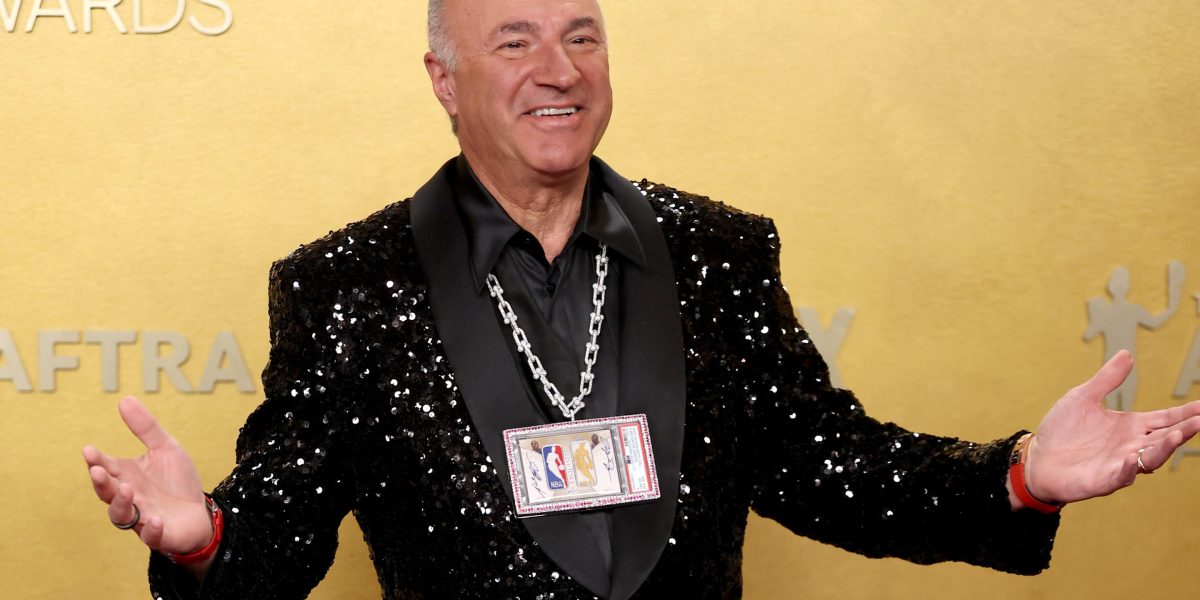
Kevin O’Leary says young entrepreneurs looking at artificial intelligence should pay attention to the less flashy work behind the boom. In a video posted earlier this year, the Shark Tank investor and O’Leary Ventures chairman said he would target two areas if he were 25 again: helping small companies use AI and building data center capacity.
O’Leary, 71, said he expects AI expansion to keep accelerating. His advice focuses less on creating a consumer chatbot or competing directly with the largest technology companies, and more on providing the tools and infrastructure that businesses will need to use AI.
Small businesses need help putting AI to work
O’Leary said one opening is serving companies with fewer than 500 employees. He pointed to small businesses as a large part of the U.S. economy and a group that may want AI systems but lack the speed or expertise of larger corporations.
The Small Business Administration says there are 36 million small businesses in the United States and that they account for just under half of U.S. GDP. O’Leary said that creates a market for people who can help those firms organize their data and use AI to analyze it.
In the video, O’Leary said many potential customers will want to use AI but will not know how, and will pay to fix that problem. He described the opportunity as practical implementation and execution, rather than traditional consulting.
That distinction fits with earlier comments O’Leary made to Fortune about career advice he gives MBA students. Fortune reported that O’Leary, an executive fellow at Harvard for the 2025-2026 academic year, has warned students against consulting and called it a path toward mediocrity.
Data centers as AI infrastructure
O’Leary said the second opportunity is data center development, which he described as a real estate business tied to the growth of AI. He said demand for AI infrastructure is outstripping the capacity now being built.
According to Fortune, O’Leary said about 5 gigawatts of data center capacity is under construction, while demand is much larger. He called data centers the biggest pain point in AI.
O’Leary has also invested in data center projects himself. Fortune reported that he has backed a planned $70 billion data center industrial park in Alberta, Canada, designed for 7.5 gigawatts of computing power, though the project has drawn scrutiny over delays. Fortune also reported that he has supported a $100 billion data center project in Utah that has faced questions over possible effects on residents.
Outside forecasts point to strong demand for data center power. Goldman Sachs Research estimates that AI adoption will drive a 165% increase in data center power demand by 2030.
Large technology companies have been spending heavily on the same infrastructure. Fortune reported that Amazon, Microsoft and Google have committed billions of dollars to data centers, and that Morgan Stanley Wealth Management chief investment officer Lisa Shalett said hyperscaler capital spending on data centers and related items was nearing $400 billion a year.
O’Leary’s view is that both opportunities sit near the foundation of the AI economy. For young founders, he said, helping smaller companies adopt AI and developing the facilities that power AI systems could be more promising than chasing the most visible parts of the industry.
This story draws on original reporting from Fortune.