
CEO who pushed AI use says it still cannot replace her assistant
Administrative assistant jobs are shrinking, but workers and trainers say AI is also becoming a tool for those who can adapt.
By Maya Lindqvist · Senior Technology Correspondent
3 min read
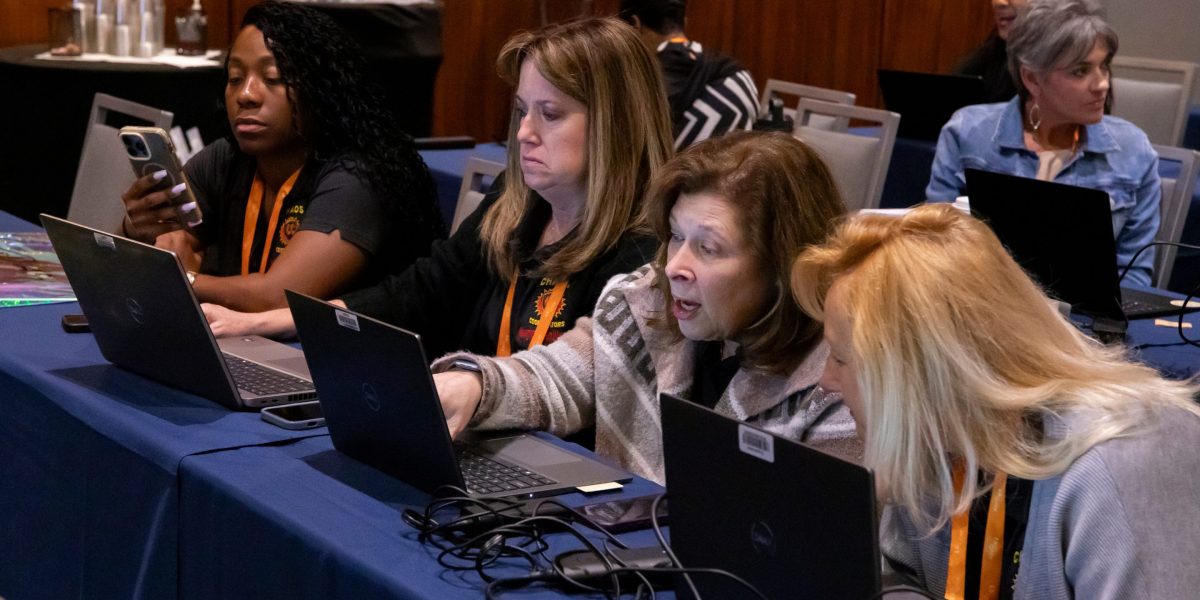
Artificial intelligence is taking over parts of the administrative workload, from meeting notes to draft emails, as the profession keeps shrinking. The shift matters for a job category dominated by women and already under pressure from decades of office automation, according to federal labor data and a Brookings Institution report.
Oana Manolache, founder and CEO of Sequel.io, took a hard line on AI adoption in a LinkedIn post last year, writing that she would fire anyone who did not use the technology. Even so, Manolache told The Associated Press that AI cannot replace her executive assistant, Stephanie Martinez, because the job now depends on judgment, relationships and knowledge of how an organization works.
Manolache said Martinez uses AI to reduce time spent on tasks such as preparing for meetings and taking notes. That lets her focus on work Manolache described as more human: connecting teams, reading stakeholder relationships and deciding how to communicate.
Martinez, who works remotely from El Salvador through Viva Talent, also used AI when Sequel.io wanted more customer reviews on a software review platform, according to Manolache. She searched customer communications for likely reviewers and drafted outreach, a process Manolache said would have taken much longer without the tools.
A shrinking role faces another test
Jobs for secretaries and administrative assistants have been falling for years. Current Population Survey data cited by The Associated Press show about 3.5 million people worked in those roles in 2004, nearly 97% of them women; by 2024, the number had dropped to 2.1 million even as the broader workforce grew.
The U.S. Bureau of Labor Statistics expects most secretary and administrative assistant categories to keep declining, with medical secretaries and administrative assistants as an exception because of health care growth. Emily Rolen, a lead economist in the BLS employment projections division, told The Associated Press that productivity tools have limited demand for office and administrative jobs across several projection cycles.
Labor Department data released Thursday showed unemployment for the broader office and administrative support category at 4%, up from 3.6% in June last year. That category includes workers beyond assistants, including accounting clerks and postal service workers, and its unemployment rate remained below the overall rate, according to the data.
Brookings said in a January report that clerical and administrative workers may be more exposed to AI-related displacement than other workers because some have limited savings, are older, have fewer local job options or have narrower skill sets. The report said about 86% of the 6 million workers in that group are women.
Some assistants are using AI to move up
Deanna Danger, executive assistant to the chief information officer at Vanderbilt University, told The Associated Press she began using AI at work in 2022. She said tools including Copilot and ChatGPT now handle meeting notes for her, cutting work that once took hours to less than five minutes and allowing her to take part in meetings instead of typing through them.
Danger also hosts a biweekly virtual coffee chat through the American Society of Administrative Professionals, which says it serves about 132,000 members. In a May session, participants discussed using AI for flyers, restaurant research for executive events, social media captions and standard operating procedure drafts, according to The Associated Press.
Fiona Young, founder of the assistant training company Carve and a former executive assistant, told The Associated Press that demand for AI training has risen sharply since 2023. She said she has trained administrative professionals globally, including at Google, Amazon, Uber, Salesforce and LinkedIn.
Melissa Peoples, an Austin-based executive assistant coach and former C-suite executive assistant, said training alone is not enough if assistants lack time or support to apply AI. She told The Associated Press that gender dynamics can widen the gap between assistants encouraged to use new tools and those treated as low-status support staff.
This story draws on original reporting from Fortune.