
Kansas City uses World Cup spotlight to sell itself beyond soccer
The smallest 2026 World Cup host city is using six matches, team camps and new transit links to pitch its economy to visitors and investors.
By Daniel Okafor · Business Editor
4 min read
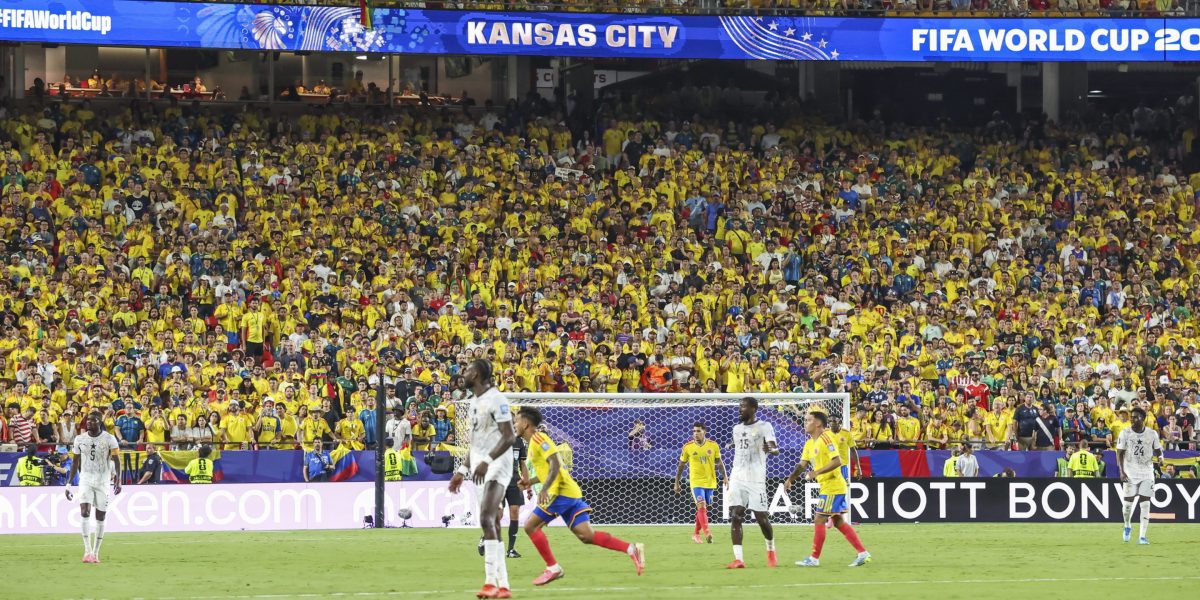
Kansas City has turned its 2026 FIFA World Cup role into a broader campaign to raise its global profile, Fortune reported. The city, the smallest of the 16 host markets, is hosting six official matches and using the tournament to court tourists, business leaders and foreign officials.
The metropolitan area has about 2.2 million residents across two states and is better known nationally for the Chiefs and barbecue, according to Fortune. Local officials say the tournament gives Kansas City a rare chance to show international audiences why it calls itself the Soccer Capital of America, a trademark owned by Sporting Kansas City.
Tim Cowden, president and CEO of the Kansas City Area Development Council, told Fortune that Kansas City is trying to use the World Cup “to the hilt.” The opening came after Chicago, which hosted matches in 1994, did not pursue the bid under then-Mayor Rahm Emanuel amid objections to FIFA’s demands, Fortune reported.
A long build-up in soccer
Kansas City’s bid effort began around 2015 and 2016, according to Fortune. Kathy Nelson, who led the Kansas City Sports Commission during the effort, told the publication that winning support took years of calls, relationships and requests for help.
The payoff includes six games at Arrowhead Stadium, called Kansas City Stadium under FIFA sponsorship rules, including a quarterfinal involving Lionel Messi that FIFA has said could draw a billion viewers, Fortune reported. Nelson estimated that about 500,000 visitors would pass through the city during the roughly two-month tournament.
The city also hosted four national team base camps, including Argentina and England, according to Fortune. England chose Kansas City even though it was not scheduled to play a group match there, and requested Swope Soccer Village, which was not in FIFA’s official catalog when the team visited, Fortune reported.
Regional officials pointed to about $700 million in soccer-related infrastructure investment over 15 years, according to Fortune. That includes Children’s Mercy Park, Sporting KC’s stadium, and CPKC Stadium, the Kansas City Current venue that opened in 2024 as the first purpose-built professional women’s soccer stadium.
Transit test for a car-heavy city
The tournament also forced Kansas City to address a basic problem: there was no existing public transit to the stadium, KC2026 CEO Pam Kramer told Fortune. The host region spans two states, 18 counties and more than 50 communities, creating questions over police escorts, bus routing and emergency response.
KC2026 created a Joint Operations Center with law enforcement, transportation staff, health officials and communications teams, according to Fortune. Lindsay Douglas, the group’s chief operations officer, said the center gave organizers a live view of safety, transit and event operations.
During one match day, the center rerouted buses after an incident on I-70, Fortune reported. On another day, officials managed an estimated 22,000 to 36,000 fans during the Dutch fan march while also watching weather threats and highway disruptions.
Some transit changes may last beyond the tournament. Connect KC 26, a bus network created for the World Cup, serves 15 destinations that previously lacked direct service, Fortune reported. A downtown-to-Overland Park Convention Center trip that had taken an hour and 20 minutes now takes 30 minutes, with a $5 daily pass.
Economic pitch
Kansas City is not receiving World Cup ticket, concession, merchandise or parking revenue, according to Fortune. FIFA is expected to collect an estimated $8.9 billion from the tournament, while U.S. host cities face a collective shortfall of more than $250 million, Fortune reported.
Local leaders are instead measuring the event by its ability to attract attention and investment. Cowden’s organization brought 13 C-level executives from the animal health and biosciences sector, and KC House hosted heads of state, ambassadors and business leaders, according to Fortune.
Cowden told Fortune he expects the direct economic spinoff to be around $650 million, while Kramer said the larger goal is to use the World Cup to create trade, foreign investment and headquarters conversations. Former Kansas City Federal Reserve President Esther George told Fortune the event has introduced the city to the world and the world to Kansas City.
This story draws on original reporting from Fortune.