
Fermented foods gain favor as experts urge caution on marketing claims
Federal dietary guidelines encourage fermented foods, while doctors and dietitians say shoppers should favor traditional options over processed products.
By Hana Yoshida · Markets Reporter
3 min read
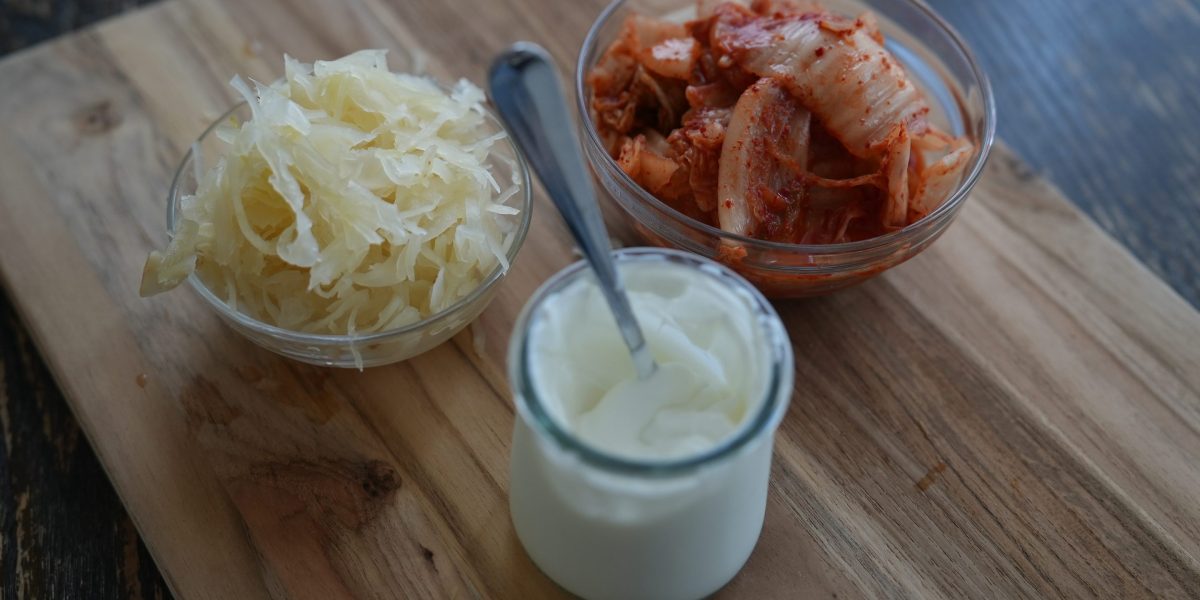
Fermented foods are getting fresh attention as Americans focus more on gut health and federal nutrition advice encourages people to eat more of them. Doctors and dietitians cited by The Associated Press say foods such as yogurt, kefir, kimchi and sauerkraut can be useful additions to many diets, but they warn that fermentation does not make every product healthy.
The interest comes as fiber-focused eating trends spread, colorectal cancer rises among younger adults and personalized gut microbiome treatments draw more consumers, according to AP. Fermented foods also have been promoted by supporters of Health Secretary Robert F. Kennedy Jr.’s Make America Healthy Again movement, though health experts have questioned other MAHA-linked claims involving raw milk and seed oils.
Ancient preservation, modern interest
Fermentation is a process in which naturally occurring bacteria and yeast break down and help preserve food. AP reported that the practice dates back thousands of years, long before refrigeration, and appears in many food traditions, including yogurt, kimchi, sauerkraut and South Indian idli and dosa.
Dr. Lisa Ganjhu, a gastroenterologist at New York University Langone Health, told AP that people have used fermentation for ages and only more recently connected it to gut health. Still, she said fermented products are not automatically probiotic or good for the microbiome, pointing to beer and wine as fermented foods that do not carry the same health profile.
Barbara Olendzki, director of the University of Massachusetts Chan Medical School’s Center for Applied Nutrition, told AP she recommends “whole fermented foods,” including fermented vegetables, yogurt, kefir, kimchi, sauerkraut and tempeh.
How they may help the gut
Experts told AP that fermented foods may support gut health in two main ways. Microbes can help break down food and alter the compounds people consume, while bacteria in some fermented foods may compete with less beneficial bacteria already living in the intestines.
Dalia Perelman, a Stanford University research dietitian, told AP that researchers are still studying exactly what makes fermented foods healthy. Some foods, including yogurt, can deliver live probiotics when eaten, while others, such as sourdough bread, may contain few or no live microbes because baking or processing kills them.
Perelman said there is evidence that some fermented foods may still be beneficial even when they no longer contain live microbes. Researchers also have not settled how much fermented food people should eat, and experts told AP the answer may differ from person to person.
Experts warn against hype
Doctors and dietitians told AP consumers should be wary of sodas, chocolate and other processed products promoted as probiotic. Perelman said probiotic supplements try to imitate combinations of helpful bacteria that occur naturally in many fermented foods, while marketers have seized on “gut healthy” language that is not a clinical definition.
Ganjhu advised avoiding sugary fermented products because added sugar can feed less helpful bacteria. She also told AP shoppers should look for labels that mention live cultures rather than relying on broad probiotic claims.
Fermented foods are generally safe for most people, experts told AP. Perelman said people with weakened immune systems and those with irritable bowel disease may want to consult a doctor before adding them, while Olendzki said some people may have bloating, gas or other discomfort as their gut adjusts.
Experts told AP there is no firm scientific ranking that makes one fermented food the best choice. Ganjhu suggested thinking in broad groups, such as milk-based options like yogurt and kefir and fiber-based foods like kimchi and sauerkraut, while Perelman suggested aiming for variety and two servings a day.
Olendzki told AP people should add fermented foods slowly, drink water and consider the rest of their diet. Experts said fermented foods work best as part of a broader eating pattern that includes fiber-rich prebiotics, which feed probiotic bacteria.
This story draws on original reporting from Fortune.