
Judge pauses Paramount-Warner deal in state antitrust challenge
A federal judge temporarily halted the $81 billion transaction after 12 states argued it would reduce competition in movies and cable TV.
By Hana Yoshida · Markets Reporter
3 min read
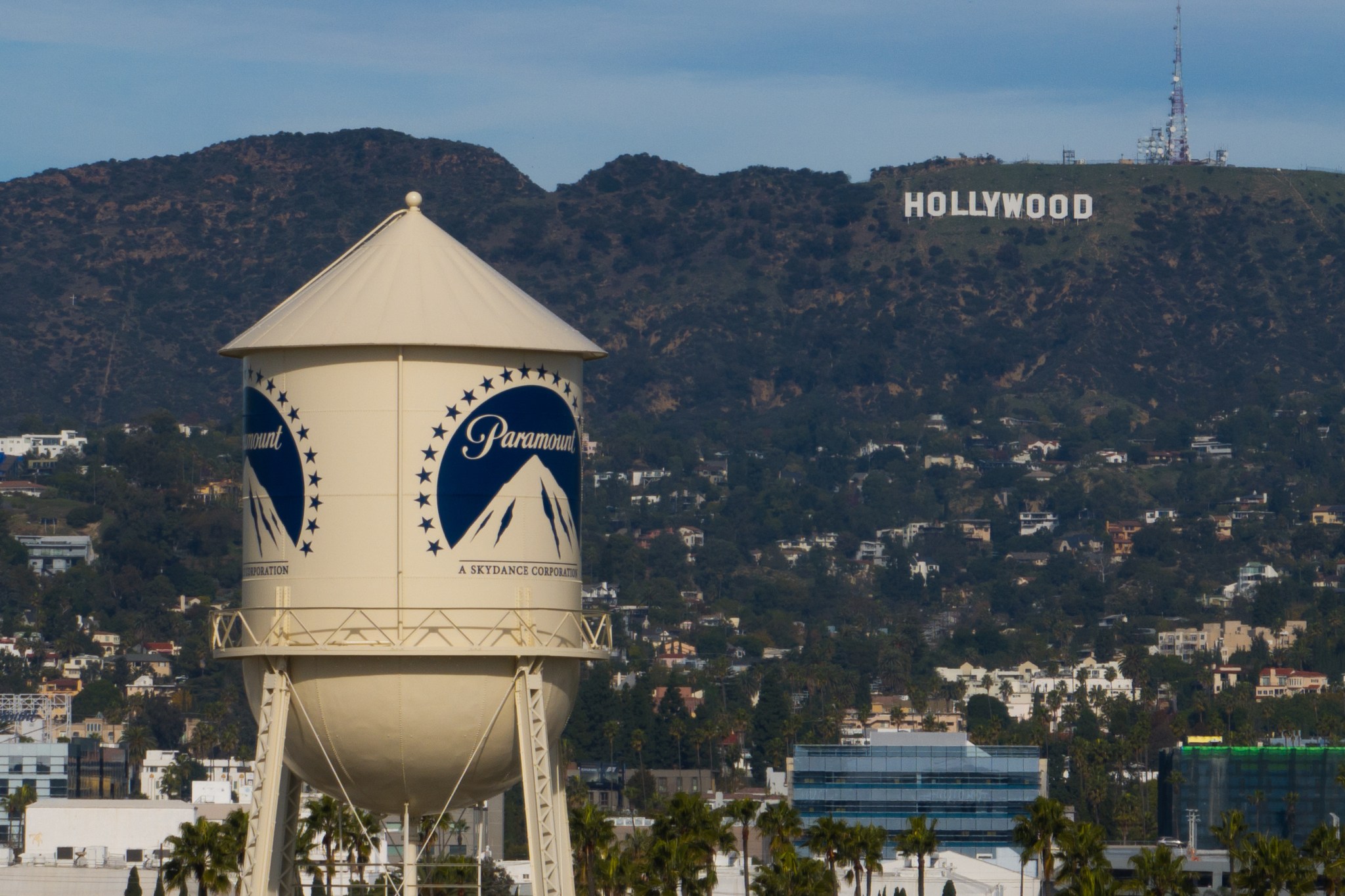
A federal judge has temporarily stopped Paramount from closing its planned $81 billion purchase of Warner Bros. Discovery, giving a coalition of states more time to press an antitrust challenge. The order keeps one of Hollywood’s largest proposed combinations on hold while the court considers whether the deal should be blocked for longer.
U.S. District Judge Araceli Martínez-Olguín granted a temporary restraining order Monday after 12 states, led by California, sued to stop the transaction. The states allege the merger would violate federal antitrust law by concentrating power in theatrical film distribution, major movie releases and basic cable channel licensing.
California Attorney General Rob Bonta called the ruling an early victory for the states’ case. In a statement, Bonta said the merger should not proceed because concentrated control over major media markets can mean fewer opportunities, weaker products and worse service.
The states asked Paramount and Warner Bros. Discovery to delay closing until a court could review their claims, according to their filings. After the companies declined, the states sought the temporary order and are also pursuing a preliminary injunction that could keep the transaction from closing while the case continues.
What the pause means
The court’s order blocks progress on the deal for at least 14 days, with a possible extension to 28 days. A hearing on the states’ request for a preliminary injunction is scheduled for Aug. 3, though the timetable could change.
Paramount has pushed for a faster schedule. Before Monday’s order, the companies proposed completing a preliminary injunction hearing by the end of August so any appeal could be handled by Sept. 30, according to the filings described in court.
That date matters to Paramount because it has pledged additional compensation to shareholders if the deal has not closed by then. The company has said that fee would amount to about $7 million a day.
The states argue Paramount accepted that financial risk when it structured the transaction. At a Friday hearing, they said a trial beginning in April 2027 would give both sides enough time to gather evidence and present the case.
Including debt, Paramount’s proposed acquisition of Warner Bros. Discovery is valued at nearly $111 billion based on outstanding shares.
The antitrust fight
The states’ complaint says a combined Paramount-Warner could control nearly one-third of theatrical film distribution and basic cable programming. The attorneys general argue that level of control could let the company raise consumer prices, reduce output, lower content quality and pressure worker pay.
The case focuses on traditional film and cable markets rather than streaming. Paramount has argued that the states are overlooking competition from technology and streaming companies, and has said the acquisition would help it compete more effectively with larger rivals such as Netflix.
Paramount said Monday that the states’ claims lack merit and do not reflect current market conditions. The company has described the deal as pro-competitive and said it would benefit consumers and workers.
The transaction would unite two of Hollywood’s remaining legacy studios. Under one corporate owner, assets including HBO Max, CNN, Warner Bros. film franchises and Paramount-owned CBS, Paramount+ and films such as “Top Gun” would be combined.
The states challenging the deal are California, Arizona, Colorado, Connecticut, Massachusetts, Minnesota, Nevada, New Jersey, New Mexico, New York, Oregon and Washington.
Paramount has pointed to approvals from regulators in China, Canada and Australia, as well as clearance from the Trump administration. Reviews continue in the European Union and the United Kingdom, according to Paramount’s account of the regulatory process.
The Writers Guild of America has also sued to block the merger. Paramount is facing a separate shareholder lawsuit accusing CEO David Ellison and Larry Ellison of offering improper private benefits to President Donald Trump to secure approval; Paramount has denied those allegations, and the Justice Department has said its review was not political.
This story draws on original reporting from Fortune.