
Jamie Laing bets creator-led brands can take shelf space from giants
The Candy Kittens founder told Fortune that creators have an edge as consumer brands fight for trust, speed and attention.
By Sofia Marchetti · World Affairs Correspondent
3 min read
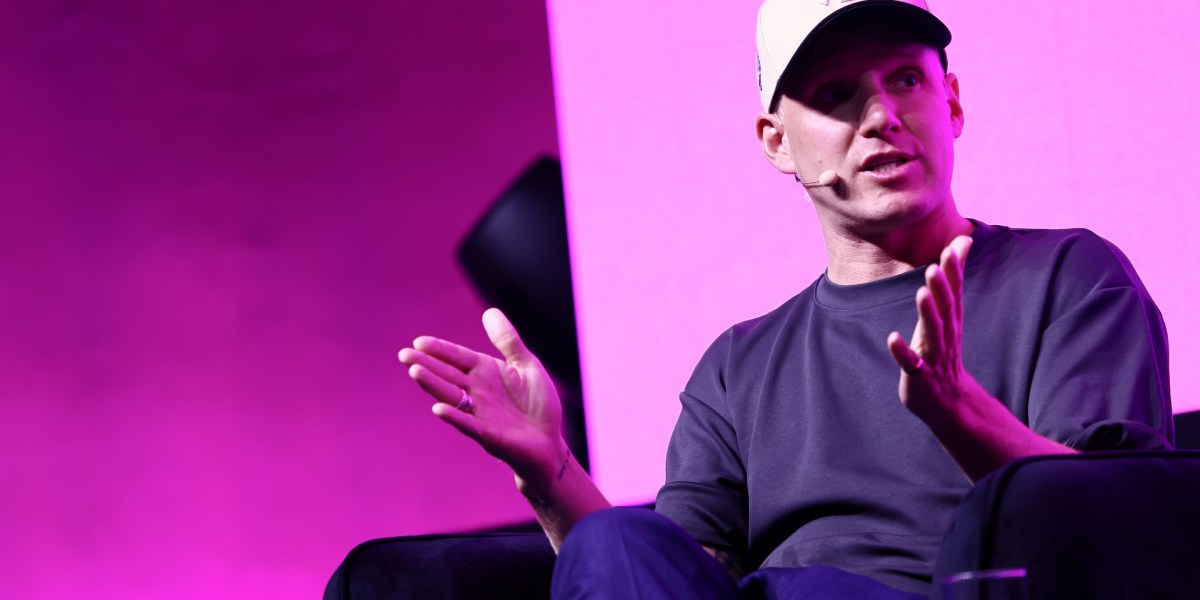
Jamie Laing is using Candy Kittens’ rise and its purchase of Graze to argue that creator-led consumer brands can compete with established food giants. The case matters because retailers, shoppers and investors are testing whether personality-driven companies can turn online trust into durable shelf space.
Laing, the reality television figure who co-founded Candy Kittens with Ed Williams 15 years ago, told Fortune that he expects major future business owners to come from the creator economy. He said large brands increasingly need creators to help build consumer attention and trust.
Candy Kittens sells premium vegan sweets, including cat-shaped gummies, and Fortune reported that the company now brings in about £15 million in annual revenue. Its products are sold in Tesco and Sainsbury’s, where they sit beside confectionery groups with far larger advertising budgets and distribution networks.
Fortune contrasted Candy Kittens with much bigger incumbents such as Mars, which it said has $50 billion in annual sales, and Nestlé, which reported CHF 90 billion, or $113.1 billion, in sales. Candy Kittens is not close to overtaking those companies, but Fortune described it as a challenger brand that has gained retailer placement and consumer notice without a legacy marketing machine.
Graze deal puts the model to a bigger test
Candy Kittens made its largest move in late 2025 by buying snack brand Graze from Unilever for £36 million, according to Fortune. Laing told Fortune the deal showed the opening available to smaller companies when large groups cannot give every brand in their portfolios enough attention.
Laing said Candy Kittens can move an idea from concept to store shelves within months, while he described big corporations as slower and more set in their habits. He also told Fortune that Graze had lost momentum inside Unilever and needed more energy from its owner.
Nestlé’s latest investor report said the company owns more than 2,000 brands worldwide and plans to cut the number receiving media support from more than 400 to 150 in 2026. Fortune cited that narrowing focus as one example of how conglomerates can leave some brands under-supported.
Creators press their trust advantage
Laing told Fortune that creator-led businesses can be faster, closer to their audiences and more culturally aware than large consumer goods companies. He argued that shoppers are more willing to trust brands with visible personalities than faceless corporations.
Research cited by Fortune supports part of that argument among younger consumers. LTK found that 73% of Gen Z consumers use creators in purchase decisions, while an Adobe survey found that two-thirds of Gen Z shoppers had bought from a creator-founded brand.
Laing said creators build audiences by sharing, entertaining and engaging before asking followers to buy anything. Fortune also noted that U.K. restrictions on advertising products high in fat, sugar and salt could pressure older consumer goods portfolios while giving smaller brands more room to adjust.
The model still faces questions. Fortune reported that investors, especially in Europe, have been more cautious about companies tied closely to a founder’s personality, including how to value them and whether they can last after a founder steps back.
Laing told Fortune that Candy Kittens faced early doubts from people who saw it as a short-lived celebrity project. His long-term ambition, according to Fortune, is to acquire McVitie’s, the biscuit brand originally built by his great-great-grandfather before it became part of a conglomerate.
This story draws on original reporting from Fortune.