
Iran signals China may get favorable Hormuz fee treatment
Tehran’s ambassador in Beijing said friendly countries could receive special handling as Iran considers new charges for ships using the Strait of Hormuz.
By Maya Lindqvist · Senior Technology Correspondent
3 min read
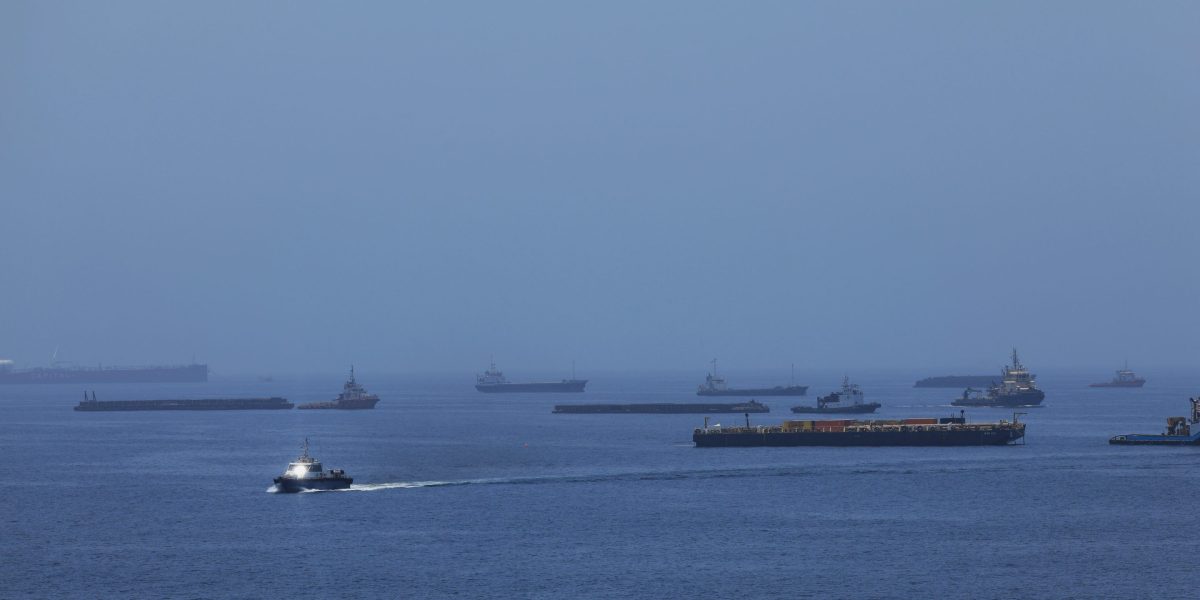
Iran’s ambassador to China said Beijing and other friendly governments could receive favorable treatment under planned service fees for ships using the Strait of Hormuz, Bloomberg reported. The comments add a new point of friction to talks over how the key energy route will operate after the recent Iran war.
Abdolreza Rahmani Fazli told the World Peace Forum in Beijing on Saturday that Iran would give China “special considerations” because it is a friendly country, according to Bloomberg. He did not spell out what that treatment would include or how it would affect ships tied to China.
Fazli said the strait has become a national security issue for Tehran after a four-month war with the U.S. and Israel, Bloomberg reported. He said Iran was working with Oman on new arrangements for the waterway, which links the Persian Gulf with the Gulf of Oman and global shipping lanes.
The management of the Strait of Hormuz has become one of the disputed subjects in negotiations aimed at turning last month’s interim peace deal into a permanent end to the conflict, according to Bloomberg. Iran effectively shut the strait after U.S. and Israeli airstrikes began in late February, and vessel traffic has only recently started to recover.
Bloomberg reported that at least eight vessels trying to exit the Persian Gulf along Oman’s coast reversed course between Friday and Saturday. The movements showed that reopening the route remains complicated even after the temporary agreement.
The U.S. and Gulf Arab states say Iran and Oman have no right to charge ships for passage through the strait, Bloomberg reported. Some European governments now believe some form of fee is likely, people familiar with the matter told Bloomberg, while also urging Iranian and Omani officials not to treat ships differently based on nationality.
Fazli said the fees would be used to ensure safe transit and address environmental costs tied to shipping through the area, according to Bloomberg. He also said any enforcement would comply with international maritime law.
China has a major stake in the outcome. Bloomberg reported that China buys nearly all of Iran’s oil exports, and Beijing called Friday for shipping through the Strait of Hormuz to remain unobstructed.
Chinese Foreign Ministry spokesman Guo Jiakun said free movement through the waterway would serve the interests of all sides, according to Bloomberg. Before the conflict, about one-fifth of global oil and liquefied natural gas supplies moved through the strait, Bloomberg reported.
China has largely stayed out of the Iran conflict, calling for restraint while giving Tehran some diplomatic backing mainly through Pakistan, Bloomberg reported. Beijing is seeking to shield Gulf shipping and limit energy disruptions that could pressure its economy.
At the same time, Bloomberg reported, China has presented itself as a stabilizing power in the region while questioning U.S. dominance in the Middle East and broader confidence in Washington’s role.
This story draws on original reporting from Fortune.