
Ikea founder’s thrift followed him through billionaire years
Ingvar Kamprad kept buying secondhand clothes and flying economy even after Ikea made him one of the world’s richest people.
By Maya Lindqvist · Senior Technology Correspondent
3 min read
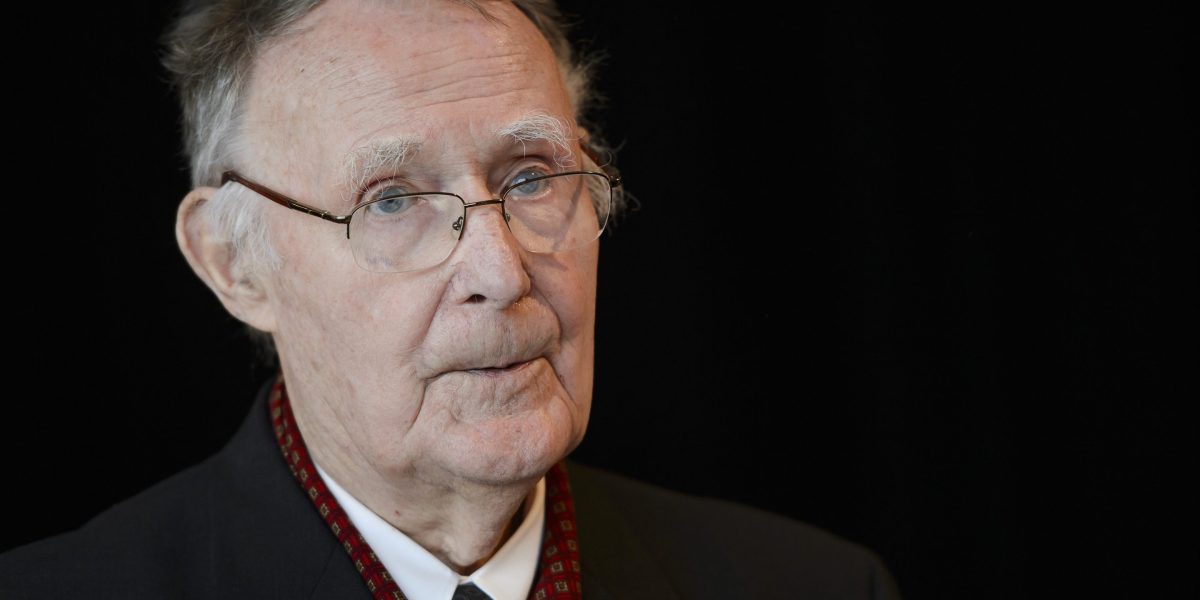
Ingvar Kamprad built Ikea into a global retailer while keeping personal spending unusually low for a billionaire. Fortune reported that the habits became part of the story around Ikea itself, a company long associated with low prices and tight control of costs.
Kamprad, who died in 2018 at age 91, had an estimated net worth of $58.7 billion, according to Fortune. Even so, the late Ikea founder bought clothing at flea markets, drove an old Volvo and flew economy, Fortune reported.
In a 2016 documentary on Sweden’s TV4, Kamprad said he did not think he was wearing anything that had not come from a flea market. He said he wanted to set a good example, according to Fortune’s account of the interview.
Fortune also reported that Kamprad would take salt and pepper packets from restaurants. The Los Angeles Times reported that he reused tea bags, while Fortune said he ate in Ikea cafeterias and kept working at the company until age 87.
A haircut in Vietnam
Kamprad’s thrift extended to small purchases. Fortune cited an interview with the Swedish newspaper Sydsvenskan in which he said a €22 haircut in the Netherlands was too expensive for his taste.
Kamprad told Sydsvenskan he usually got haircuts while visiting a developing country, according to Fortune. He said the most recent one had been in Vietnam.
Kamprad tied his spending habits to his upbringing in Småland, a rural region in southern Sweden. In the TV4 interview, he said thrift was part of the character of people from Småland, according to Fortune.
He founded Ikea in 1943 at age 17, Fortune reported. In company guidance for employees, Kamprad wrote that wasting resources was a “mortal sin at IKEA,” according to Fortune.
Fortune reported that Kamprad also referred to the Swedish krona when explaining the company’s culture, saying people from Småland understood the value of money even as the currency had changed since childhood.
A complicated reputation
Kamprad’s image was not limited to admiration for thrift. Fortune reported that he was sometimes known as “Uncle Scrooge” and “The Miser,” and that he drew criticism over tax avoidance.
Fortune also reported that Kamprad faced serious questions later in life about earlier links to fascist groups. Swedish security police recorded his activities in 1943, the same year he started Ikea, according to Fortune.
Ikea has continued to grow since Kamprad’s death. Fortune reported that the company now has 504 stores in 63 countries, generated about $50 billion in sales last year and drew 915 million visitors.
Other wealthy figures with frugal habits
Fortune placed Kamprad among other wealthy people known for avoiding conspicuous spending. The publication reported that Lucy Guo, described as the youngest self-made female billionaire, actress Keke Palmer and Kamprad all had older cars in common.
Mitzi Perdue, the billionaire heiress connected to Sheraton Hotels and Perdue Farms, told Fortune that the Henderson and Perdue families did not encourage extravagance. Perdue said “nobody wins points for wearing designer clothes,” according to Fortune, which reported that she does not own a car and uses the subway.
Fortune also cited Warren Buffett’s long-running frugal habits, reporting that he has kept breakfast under $3.17, lives in the Omaha house he bought for $31,500 in 1958 and drives a car more than 20 years old. Buffett has said he is not interested in cars and does not aim to make people envious, according to Fortune.
This story draws on original reporting from Fortune.