
GLP-1 spending gives luxury brands a lift as sales soften
Bain & Co says weight-loss drugs are prompting affluent shoppers to replace clothing and choose smaller, higher-end food portions.
By Sofia Marchetti · World Affairs Correspondent
3 min read
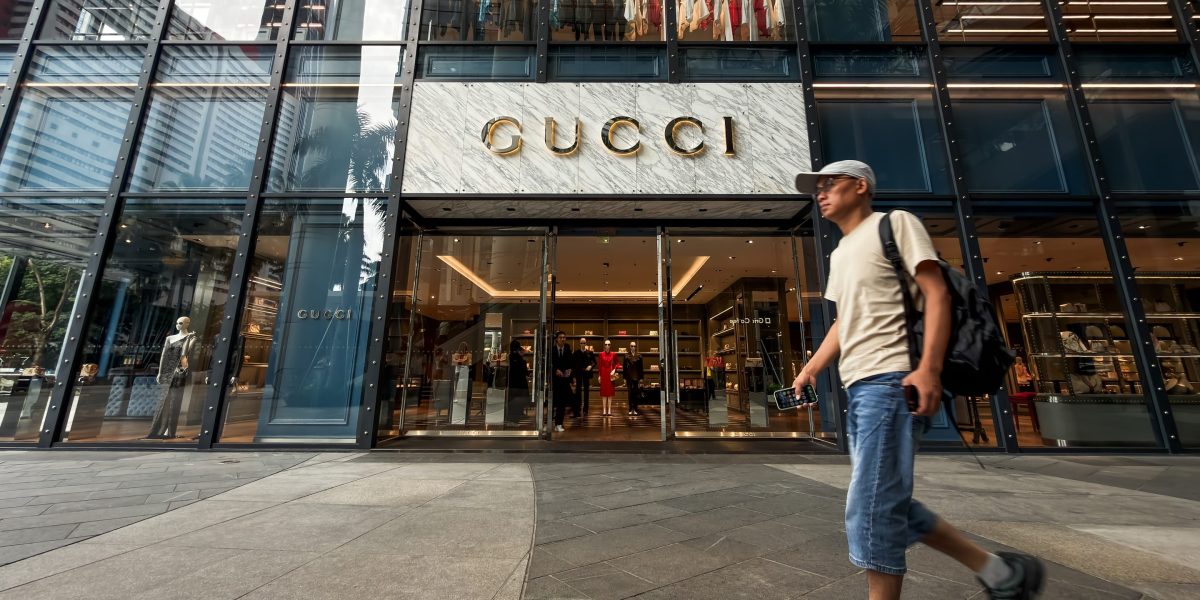
Luxury demand is slipping, but Bain & Co says GLP-1 weight-loss drugs are creating a fresh reason for affluent consumers to spend. The shift matters for luxury brands because it is supporting categories such as apparel, footwear and premium food at a time when the sector is under pressure.
Bain & Co’s latest Luxury Monitor, written by senior partners Claudia D’Arpizio and Federica Levato, estimates that the luxury sector fell 1% year over year. For the first quarter of 2026, Bain estimated a 3% decline at constant exchange rates.
The report points to several strains on the industry. According to Fortune, conflict in the Middle East has disrupted high-earning consumers’ travel and spending patterns, while brands are also contending with weaker confidence among some shoppers.
At the same time, Bain says GLP-1 medications have become a notable driver of consumption. Levato told Fortune the spread of weight-loss drugs is one of the central consumer questions affecting luxury and other categories.
New sizes, new wardrobes
Levato said the effect is clearest in “soft luxury,” including clothing and shoes. Consumers who have lost weight are buying replacement wardrobes, she told Fortune, linking that spending to greater personal confidence rather than a stronger view of the economy.
She tied the behavior to a broader “YOLO” attitude that first gained force after the pandemic and has since been reinforced by drugs such as Ozempic and Mounjaro. For luxury companies, Bain says that raises questions about how to reach more buyers across generations, regions and income groups.
Levato also said GLP-1 use could affect fit in a sector that often offers limited sizing. If more consumers move into the size ranges most luxury brands already produce, Bain sees a commercial opening for those companies.
That trend lands against a backdrop of weak size representation in luxury fashion. Vogue Business reported in its Fall/Winter 2026 Size Inclusivity Report that, among nearly 8,000 looks shown for the season, 97.6% were in U.S. sizes 0 to 4.
Vogue Business found that U.S. sizes 6 to 12 accounted for 2.1% of looks, while U.S. sizes 14 and above represented 0.3%. The plus-size share was down from 0.9% the prior season and matched the lowest level since Vogue Business began tracking the measure three years earlier.
Smaller portions, higher quality
Bain says the GLP-1 effect extends beyond fashion. Levato told Fortune that restaurants and food brands are seeing consumers eat less while still seeking better-quality experiences and products.
She said some food brands are responding with smaller packages that carry higher value in the product itself. In that model, the consumer buys a smaller amount, while the final price may hold because the brand puts more quality into the portion, she said.
Bain also flagged affordable luxury as a challenge for high-end brands. Levato said many brands have focused heavily on the wealthiest 1% in recent years, leaving a larger pool of potential customers to more accessible competitors, including some U.S.-based brands that compete on price points and sizing.
For luxury groups, the Bain report frames GLP-1 use as both a sales opportunity and a test of strategy. Brands that keep raising prices or maintain narrow size ranges may miss some of the new demand Bain expects from consumers reshaping how they dress, dine and spend.
This story draws on original reporting from Fortune.