
Housing bill’s investor ban raises alarms for renters
A bipartisan housing bill targets large single-family rental owners, but economists warn the move may not make homes more affordable.
By Hana Yoshida · Markets Reporter
3 min read
Congress passed a broad housing affordability bill Tuesday evening, aiming to increase housing supply and reduce costs in a market many buyers cannot afford. A central provision targets large owners of single-family rentals, but economists told Fortune the restriction could strain renters without solving the main barriers to homeownership.
The 21st Century ROAD to Housing Act includes money for programs to build homes and changes meant to ease some rules that limit supply, Fortune reported. The measure arrives as home sales remain weak after reaching a 30-year low in 2023, while the median home price stays above $400,000, according to Fortune.
Zillow has estimated the U.S. housing shortage at 4.7 million homes. Redfin said a household needs nearly $117,000 a year to afford a typical home on the market, about $30,000 more than the income of most U.S. households.
Investor ban draws scrutiny
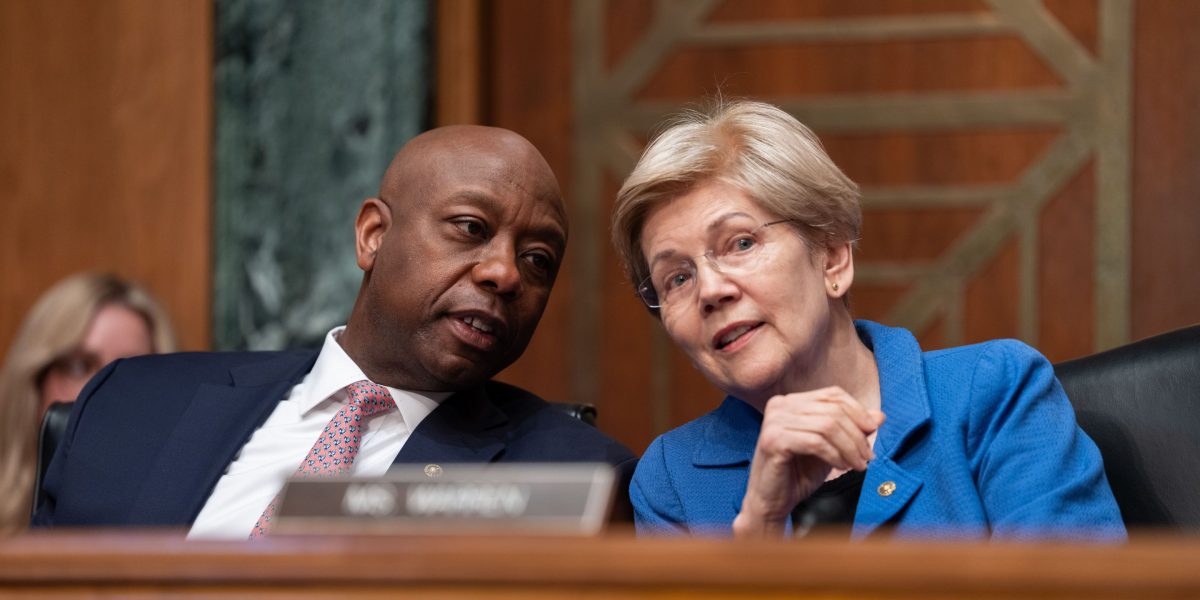
One section of the bill would bar investors that own more than 350 single-family homes, according to Fortune. The provision, backed by Sen. Elizabeth Warren, D-Mass., and promoted by President Donald Trump, reflects bipartisan criticism of Wall Street’s role in the housing market.
Warren told Politico the bill showed a push to lower costs for families and curb private equity, despite Democrats being out of the majority. Fortune reported that the legislation contains 47 provisions tied to cost reduction and housing affordability.
Rental housing economist Jay Parsons told Fortune that blaming large investors offers a politically appealing target but does not address why many households rent. Parsons said large institutional investors own about 3% of the single-family rental market, limiting the effect a ban would have on overall affordability.
Parsons told Fortune many single-family renters are not blocked from buying only because investors own homes. He said lower incomes, weaker credit scores and the added costs of ownership, including insurance, property taxes and repairs, can keep households from qualifying for or affording a mortgage.
Amherst Group data for 2026 shared with Fortune showed the average single-family renter has a FICO score of 650 and household income of $88,000. By comparison, the average single-family homeowner has a FICO score of 730 and income above $150,000, according to the same data.
Parsons told Fortune lower credit scores can mean higher mortgage rates, making renting cheaper for some households. He also said renting has allowed some low- and moderate-income households to avoid adjustable-rate subprime mortgages.
Rental supply concerns
The U.S. has 14.4 million single-family rentals, according to Fortune. A 2025 National Association of Realtors analysis found there are about 1 million fewer single-family rentals than a decade earlier, and that the share of single-family homes used as rentals has declined gradually since 2014.
The National Rental Home Council told Fortune that barring institutional investors would cut rental supply, slow new construction and displace more than a million people. The council’s members include Invitation Homes, Progress Residential, American Homes 4 Rent and Tricon Residential, according to Fortune.
Mortgage delinquencies among low-income Americans have risen in recent years as unemployment and home prices increased, according to the New York Federal Reserve. Parsons cited those pressures as another reason some households remain renters even when they want more space or stability.
Trump delays signing
After Congress passed the housing bill, Trump said on Truth Social that he was canceling a planned signing ceremony, Fortune reported. He said he would hold up the bill until Congress passes the SAVE America Act, a measure that would add restrictions on voter identification and mail-in voting.
Senate Majority Leader John Thune, R-S.D., said Republicans did not have the votes to pass the elections bill, according to Fortune. Trump was expected to meet Senate Republicans at the Capitol on Wednesday for lunch, where the elections measure was among the issues expected to come up.
This story draws on original reporting from Fortune.