
Hormuz traffic resumes as toll dispute clouds Iran-U.S. talks
Ships are moving again through the Strait of Hormuz, but mines, reduced traffic and toll threats remain obstacles to a lasting Iran-U.S. deal.
By Hana Yoshida · Markets Reporter
4 min read
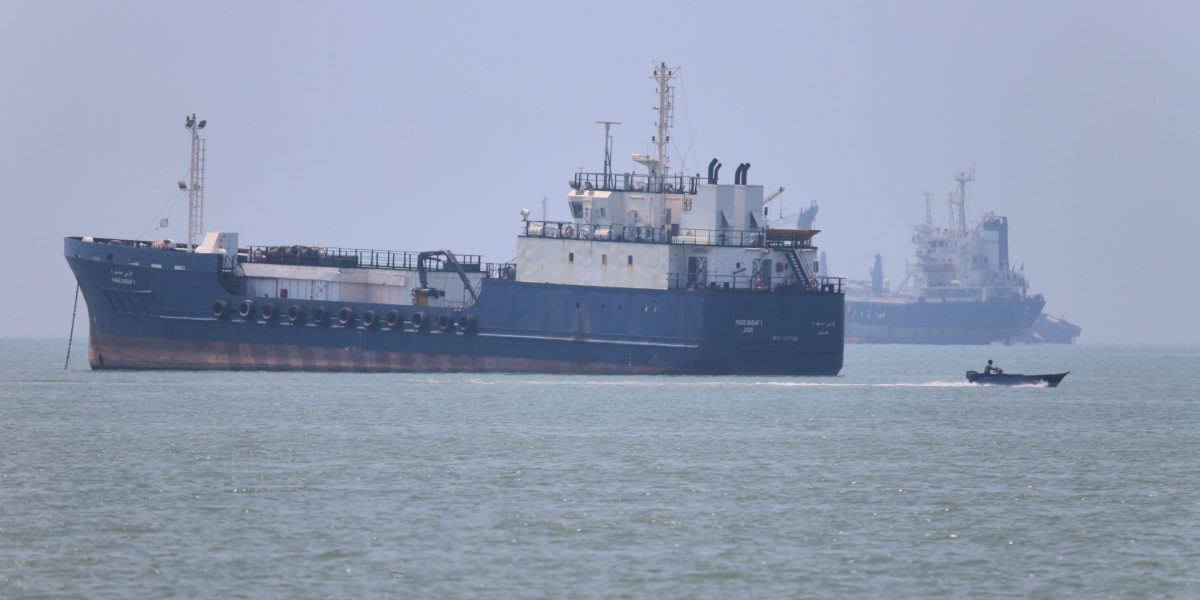
Commercial ships are again passing through the Strait of Hormuz after an interim Iran-U.S. agreement, easing pressure on a key route for energy and commodity shipments. The rebound remains limited, and disputes over mines, control of the waterway and possible tolls could complicate talks on a permanent settlement, according to the Associated Press.
The strait, bordered by Iran and Oman, does not belong to any single country. AP reported that last week’s memorandum of understanding allowed Iran to manage the passage temporarily while it holds talks with Oman and six other Gulf states on future administration and maritime services.
Iran agreed under the interim framework not to charge ships for 60 days, AP reported. President Donald Trump has suggested the United States could impose its own charges if the two countries fail to reach a final agreement during that negotiating window.
Traffic is moving, but below earlier levels
Tehran and Washington again disputed the status of the strait over the weekend after Iran said it had closed the route in response to Israel’s latest attacks on Lebanon, according to AP. The United States rejected that claim, and maritime tracking showed dozens of ships crossed Saturday and Sunday.
Kpler, a data and analytics company, said 71 vessels passed through the strait from Friday through Sunday, including 35 crossings on Saturday. Before the war, about 100 to 130 ships a day used the route, according to Kpler figures cited by AP.
The central channel remains mined and closed, AP reported. Ships have been using a smaller northern lane through Iranian waters and a southern route through Omani waters.
Under the provisional deal, Iran said it would remove mines within 30 days and clear technical and military barriers to shipping, according to AP. Mohammad Bagher Qalibaf, Iran’s parliament speaker and lead negotiator, told Iranian state media that Iran would manage the strait in line with international maritime law.
Kpler said many vessels still appeared cautious, either following Iran’s specified route or switching off transponders to hide their location or identity, according to AP.
Toll threats raise legal concerns
Iran set up the Persian Gulf Strait Authority last month to collect money from ships and has said vessels still must register with it, AP reported. Earlier in the war, Iran threatened ships that used the strait without approval and began screening vessels in a pay-to-pass system that shipping analysts called a tollbooth.
The Trump administration sanctioned the authority late last month. Treasury Secretary Scott Bessent described Iran’s move as an attempt to extort global maritime commerce, according to AP.
Trump later said the United States could seek payment for services he described as acting as “the Guardian Angel to the countries of the Middle East,” AP reported. The administration has not detailed how U.S. charges would be imposed.
Philip Belcher, marine director at Intertanko, told AP that shipping analysts were surprised by how much authority the interim agreement gave Iran. He said the industry needs clarity on future arrangements for the strait.
Legal specialists cited by AP said tolls could conflict with the principle of peaceful navigation through natural straits, which is reflected in the United Nations Convention on the Law of the Sea. Oman has ratified the treaty, while the United States and Iran have not, though maritime groups argue its rules still bind all countries.
James Kraska, a U.S. Naval War College professor of international maritime law, told AP that fees in straits such as Hormuz may be charged only at established ports of entry or for services requested by a ship, such as special assistance in hazardous areas. “You can’t impose fees for a ship exercising its right of transit passage,” Kraska said.
Marcus Baker, global head of marine, cargo and logistics at Marsh, told AP that insurance markets are supporting shipowners trying to move vessels during the interim period. He said concern remains because the deal does not guarantee toll-free passage beyond the 60-day negotiating period.
This story draws on original reporting from Fortune.