
Hormuz toll plans gain ground as tanker traffic thins
Oxford Economics and Bourse & Bazaar say fees could fund safer passage, while shippers face severe threats and crews resist transiting the strait.
By Hana Yoshida · Markets Reporter
3 min read
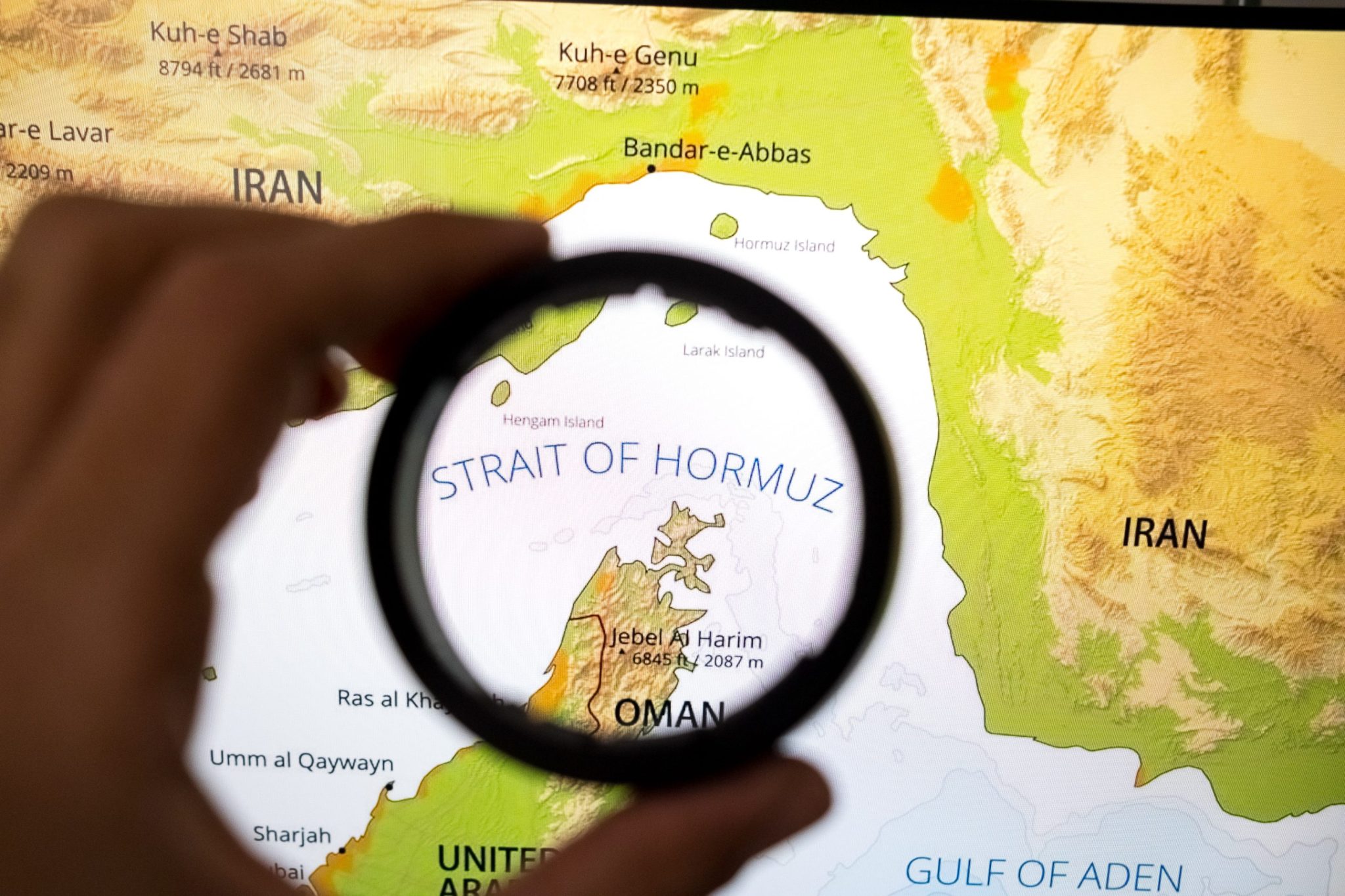
Commercial traffic through the Strait of Hormuz has fallen sharply as the U.S.-Iran conflict turns the key energy route into a high-risk passage, according to maritime intelligence firm Kpler. The disruption matters because the waterway carried about one-fifth of global oil and LNG shipments before the war began on Feb. 28, while Kpler now says only a small number of vessels are using it.
Kpler said last week that shipping decisions appear to be driven more by military events than by diplomatic efforts. The Joint Maritime Information Center said in a July 16 update that it had recorded 10 Iranian attacks on shipping since June 25 and kept its threat rating for Hormuz at severe, meaning an attack is highly likely.
JMIC, which provides security advice with naval forces in the Combined Maritime Forces, said recent incidents showed the risk remained elevated. It also said Islamic Revolutionary Guard Corps activity, including contact with vessels and pressure over routing, continued to affect ships, especially those with active AIS tracking signals.
The IRGC said on July 20 that two oil tankers had exploded and been disabled after trying to use what it called an unsafe southern route through the strait. The group alleged that the U.S. military had encouraged the tankers to take that route and said Hormuz would not be safe for oil, gas or petrochemical shipments while U.S. strikes continue.
Toll proposals move into focus
Oxford Economics said in a research note that a toll system could be cheaper than a long disruption to normal trade through Hormuz. The firm said Iran and Oman have both put forward charging ideas, with Tehran seeking mandatory fees and Muscat reportedly studying models linked to voluntary Strait of Malacca contributions or Turkish transit charges.
Oxford Economics said both countries would probably present the charges as service fees to fit international law. The firm calculated that Iran’s implied $2 million charge on a Very Large Crude Carrier, a tanker type that can carry up to 2 million barrels of oil, would equal about $1 per barrel, or roughly 1.2% of Brent crude at $86 a barrel.
That fee would be higher than effective charges in routes such as the Turkish Straits and the Suez Canal, according to Oxford Economics. At pre-war oil shipment levels, the firm estimated that Iran and Oman could collect $6.8 billion a year, equal to 1.6% of their combined 2025 GDP, before adding possible fees on LNG and other cargoes.
The Bourse & Bazaar Foundation, a London think tank focused on the Middle East, has also proposed a Hormuz fee. Its report said the charge could target the largest Gulf oil tankers, including about 600 VLCCs that make repeated trips each year, and help fund services tied to safe cargo loading and environmental protection.
The think tank cited International Energy Agency figures that put annual Gulf oil shipments at about $600 billion. It argued that a modest surcharge would have limited effect on carriers while making the ships that pose the greatest environmental risk contribute to maintaining the route.
Exporters look for alternatives
Higher transit costs could also push Gulf exporters to reduce their dependence on Hormuz, Oxford Economics said. Saudi Arabia has already moved a large share of crude exports to its Red Sea terminal at Yanbu, while DP World is reportedly planning a port and container terminal at Fujairah on the UAE’s east coast to reduce reliance on Jebel Ali and bypass Hormuz.
Goldman Sachs analysts said last week that new Middle East pipeline capacity could shield more than 45% of pre-war Gulf exports by the end of next year. The bank said that share could exceed 60% by the end of 2028, and reach 75% in an accelerated case.
This story draws on original reporting from Fortune.