
Hormuz reopening leaves oil markets facing months of repair
Analysts say shipping, insurance and storage issues could keep Gulf energy flows below normal even after the strait reopens Friday.
By Hana Yoshida · Markets Reporter
3 min read
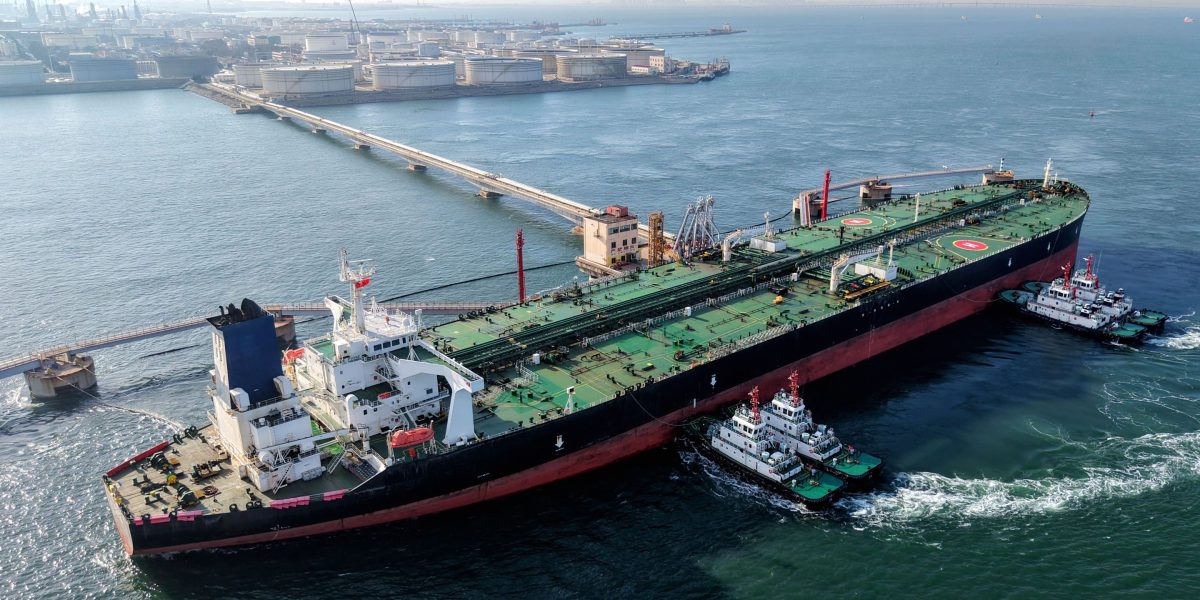
The Strait of Hormuz is set to fully reopen Friday under a memorandum of understanding endorsed by the U.S. and Iran, Fortune reported Monday. The reopening could ease pressure on oil markets, but analysts say restoring Gulf energy flows may take months and could extend into 2027.
Fortune reported that the three-month disruption removed about 2 billion barrels of oil from global supply. Major energy-consuming countries drew down reserves at record rates and imposed rationing as prices climbed and normal shipping patterns broke down.
The disruption forced wide changes across the market, according to Fortune. Crude was redirected, some drilling was halted, other exporters increased shipments, and thousands of tankers were sent to different ports.
Shipping lanes may reopen before trade normalizes
Capital Economics said the central question for markets is how quickly vessels return to the route, given concerns about underwater mines, the possibility of renewed fighting and the cost of insurance. Jason Tuvey, the firm’s deputy chief emerging markets economist, said in a Monday note that safe passage alone will not immediately fix the problem because many tankers are no longer near the Gulf.
Tuvey said Capital Economics expects about 80% of energy flows to resume by the end of the third quarter, with a full return to normal potentially taking until 2027. Tankers that were redirected to other cargoes may need weeks to cross oceans and return to Middle East loading points, Fortune reported.
The issue also runs in both directions. Gulf producers need ships entering the Persian Gulf to load cargoes, not just vessels leaving with oil, according to Capital Economics.
Hamad Hussain, a climate and commodities economist at Capital Economics, said in a separate Monday note that producers initially stored oil after the strait closed because export routes were constrained. As storage filled, some producers cut output because extended well shutdowns are generally avoided unless necessary, Fortune reported.
Stockpiles and insurance add pressure
Hussain said Gulf energy supply is likely to stay limited for several months if the strait remains open, though the risk of worse outcomes has fallen. He said slower inventory drawdowns should help markets avoid some of the more severe scenarios that had been feared earlier.
Countries that used oil stockpiles during the disruption are also expected to rebuild them, according to Capital Economics. That restocking would add demand as fuel use recovers, prices ease and governments relax rationing measures.
China is expected to draw close attention because it had built large reserves before the Iran war and was widely viewed as helping restrain oil prices during the conflict by releasing stockpiled crude, Fortune reported.
Oxford Economics analysts said oil producers should be able to match the recovery in Hormuz traffic if security conditions improve. In a note cited by Fortune, the firm said core production facilities do not appear to have suffered substantial damage, making shipping, insurance and operational confidence the main obstacles rather than production capacity.
This story draws on original reporting from Fortune.