
Arizona county clears path for AI data center near rural Tonopah
A 2,000-acre desert site west of Phoenix could become a multibillion-dollar AI campus, despite objections from nearby residents.
By Daniel Okafor · Business Editor
3 min read
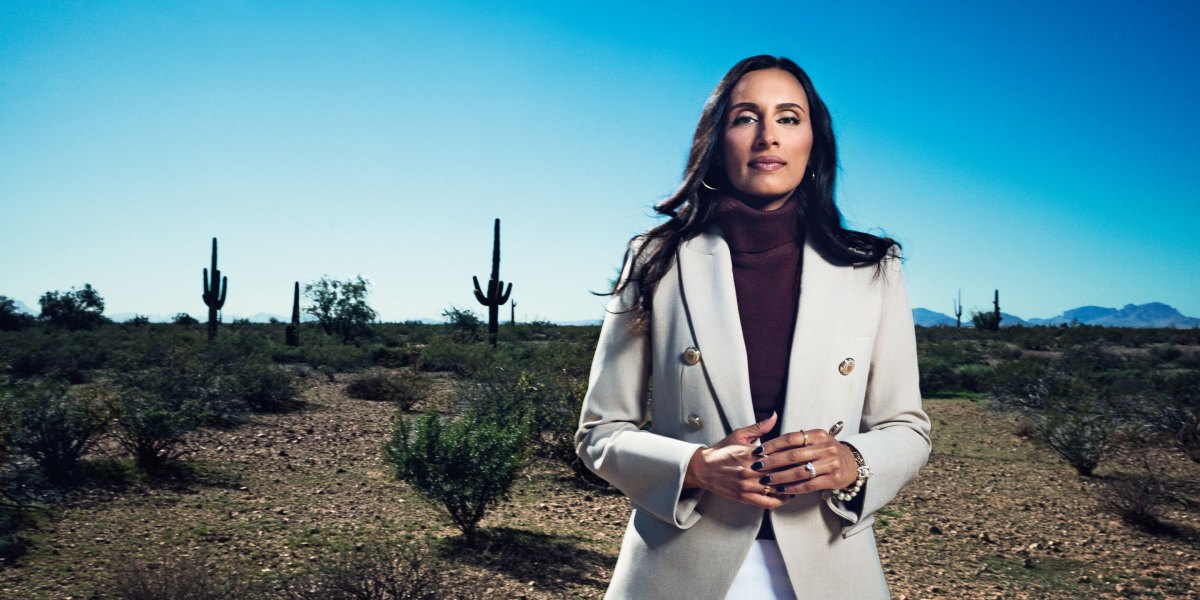
Maricopa County supervisors have moved a 2,000-acre property near Hassayampa Ranch closer to industrial rezoning for a large AI data center, Fortune reported. The decision matters because it places a rural desert community west of Phoenix in the middle of the race to build computing infrastructure for artificial intelligence.
The county board voted unanimously in early December to approve an amendment tied to the site, according to Fortune. The land sits near Tonopah, about 50 miles west of Phoenix, where residents have objected over water, noise, traffic, light pollution and property values.
Fortune identified the developer as Anita Verma-Lallian, an Arizona land developer and film producer. She bought the Hassayampa Ranch tract in May 2025 for $51 million in a deal backed by investors including billionaire venture capitalist Chamath Palihapitiya, Fortune reported.
Verma-Lallian told Fortune that six to eight large cloud or technology companies had shown interest in reviewing the site. Fortune reported that the project could appeal to a hyperscaler such as Meta, Google or OpenAI, though no tenant was named.
The proposed campus would use about 1.5 gigawatts of power, an amount Fortune described as comparable to the electricity needs of more than 1 million homes. Verma-Lallian and Palihapitiya have said the development could cost as much as $25 billion, according to Fortune.
Residents press water and quality-of-life concerns
Fortune reported that hundreds of nearby residents signed petitions opposing the project. Kathy and Ron Fletcher, retirees who live next to the site, told Fortune they had moved to the area for desert views and a quieter rural setting.
Cherisse Campbell, who operates a heritage turkey hatchery near the property, gathered nearly 200 signatures on a Change.org petition, Fortune reported. The petition focused on environmental effects, road construction, infrastructure strain and possible loss of property value.
Tonopah resident Tonya Pearsall told Fortune that her main worry was water because residents in the area rely on wells. She said she collected another 100 signatures against the project after going door to door on weekends, according to Fortune.
Michele Van Quathem, a water attorney for Verma-Lallian, told Fortune the project could work with Global Water Resources, use its own water supply, dig groundwater wells or build storage and recycling systems. She said water plans would have to comply with Arizona law, including rules for the Phoenix Active Management Area.
Verma-Lallian told Fortune the development would include buffers from homes and preserve washes, the desert channels that carry storm runoff. Her land-use attorney, Wendy Riddell, told Fortune that residents would have another chance to raise issues during site-plan review, when details such as setbacks, landscaping and building height are considered.
AI demand pushes development west
Fortune reported that the Hassayampa Ranch site previously had zoning for a large residential community, but that plan stalled after the 2008 market crash. The outlet reported that Arizona water regulators later stopped issuing new assured-water-supply certificates for large residential projects, making housing harder to revive at the site.
Industrial projects such as data centers do not face the same certificate requirement during zoning, Fortune reported. Verma-Lallian told Fortune the property also appealed because of its size, proximity to the Palo Verde nuclear plant and access to a nearby natural gas pipeline.
The project reflects a broader build-out tied to generative AI, according to Fortune. Citing IoT Analytics, Fortune reported that spending on data center equipment and infrastructure is on pace to reach $1 trillion a year by 2030.
Palihapitiya told Fortune that the Hassayampa Ranch deal is his first data center investment. He said he became interested after seeing energy and data centers as linked assets in the AI economy.
This story draws on original reporting from Fortune.