
Honeywell Aerospace CEO projects growth ahead of spinoff
Jim Currier told CNBC the soon-to-be independent aerospace business will focus capital and management on aviation and defense growth.
By Daniel Okafor · Business Editor
3 min read
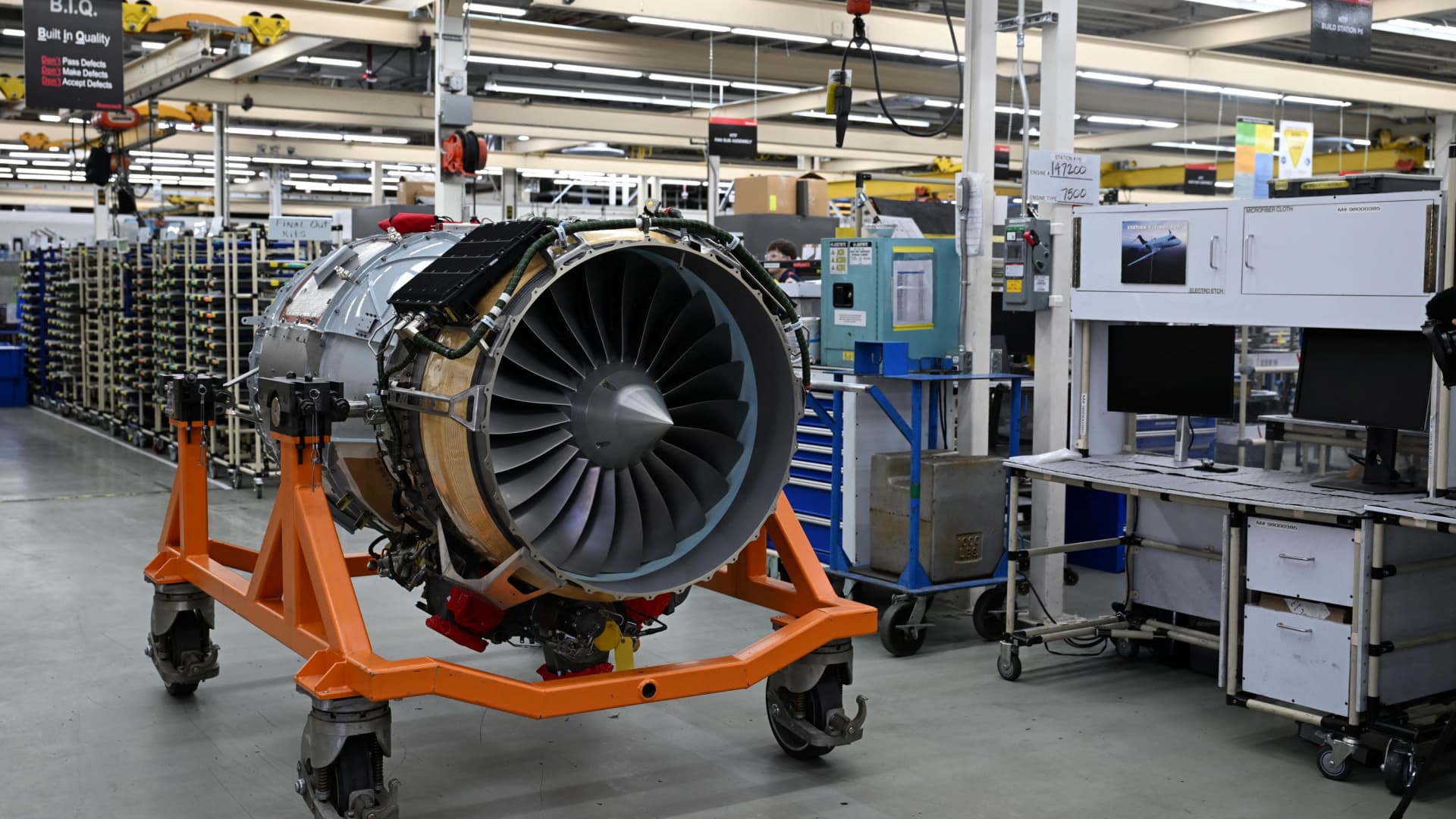
Honeywell Aerospace is preparing to leave its conglomerate parent this month, and CEO Jim Currier is telling investors the separation should help the business grow faster. CNBC reported that the company is pitching itself as a focused aerospace and defense supplier with its own management team, strategy and capital plan.
Currier told CNBC at the company’s investor day in Scottsdale, Arizona, that the new structure gives Honeywell Aerospace a leadership group centered on one business rather than the wider priorities of Honeywell International. The company supplies avionics, engine controls and other systems used across commercial aircraft, business jets and military planes, CNBC reported.
Growth targets
Honeywell Aerospace expects full-year 2026 adjusted earnings before interest and taxes of $4.65 billion to $4.75 billion once it is independent, according to CNBC. The company also forecasts free cash flow of $1 billion to $1.5 billion in the second half of 2026.
By 2030, Honeywell Aerospace is targeting annual earnings of at least $6.5 billion and full-year free cash flow of at least $4 billion, CNBC reported. Currier said the strongest growth is coming from commercial transport and defense and space markets, where he said the company has products and technologies that fit customer demand.
The company is aiming for organic annual sales growth of 6% to 8% through 2030 and annual earnings growth of 9%, according to CNBC. Currier also said Honeywell has record backlog orders from Airbus and Boeing.
Why Honeywell is breaking up
CNBC reported that Honeywell Aerospace has grown over decades inside Honeywell International into a major supplier for commercial aviation, business aviation and defense. Its equipment includes cockpit flight management systems, engine controls and auxiliary power units used in aircraft tails.
The aerospace unit generated more than $4.2 billion in profit last year with margins of 24.5%, according to CNBC. Those results were part of a broader conglomerate whose share performance has trailed both the market and some aerospace peers, CNBC reported.
Since June 2023, Honeywell shares have risen about 20%, while the S&P 500 has gained roughly 77%, according to CNBC. Honeywell decided in 2024 to split into three companies: Solstice Advanced Materials, Honeywell Technologies and Honeywell Aerospace.
Honeywell CEO Vimal Kapur told CNBC last month that each business would be well placed for its market after the separation. For investors, CNBC reported, the aerospace spinoff offers a more direct way to invest in commercial aviation and defense demand.
Investor questions remain
CNBC compared Honeywell Aerospace’s coming debut with GE Aerospace, whose shares have climbed about 125% since it became independent in April 2024. Over the same period, the S&P 500 rose almost 45% and Honeywell gained almost 20%, CNBC reported.
Honeywell Aerospace also faces scrutiny over supplier problems that affected parts of the business in the first quarter, according to CNBC. The company said the issues were temporary, tied to the war in the Middle East, and weighed on its engines and control systems divisions in January and February.
Honeywell Aerospace executives said those supplier problems have been fixed, CNBC reported. Wolfe Research analyst Nigel Coe wrote in a recent note that management has a chance to persuade aerospace investors who remain skeptical of the story.
This story draws on original reporting from CNBC.