
Study finds homes can turn lethal in heat waves during blackouts
Researchers say indoor heat can exceed outdoor readings, putting older residents and healthy adults at risk when air conditioning fails.
By Daniel Okafor · Business Editor
3 min read
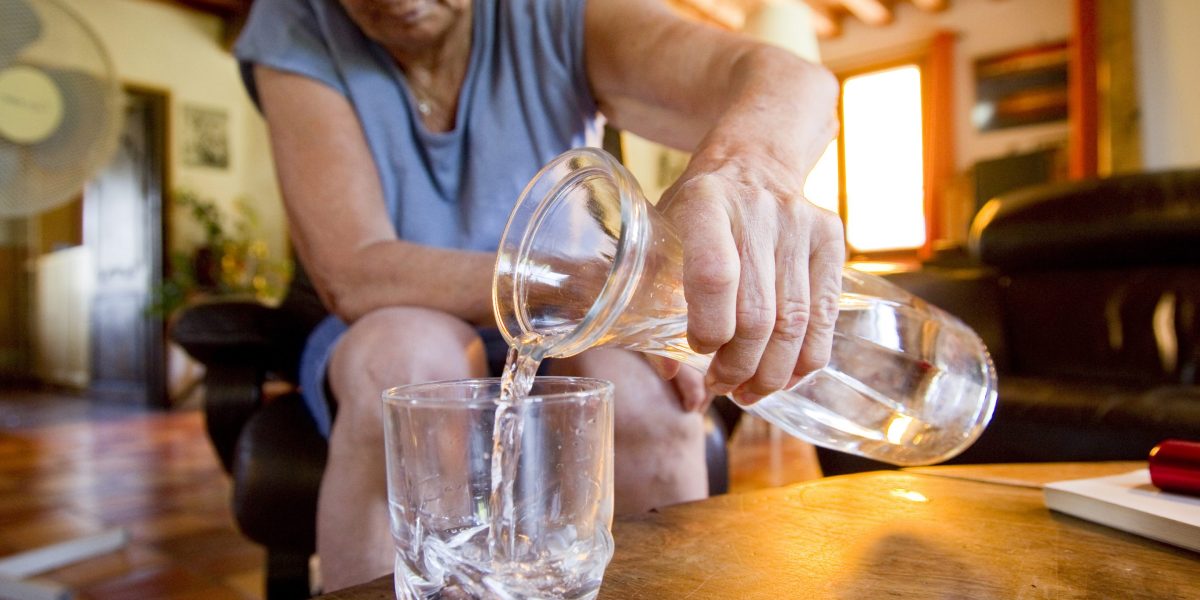
A study of single-family homes in Austin found that many houses can become dangerous during a multiday heat wave if power failures shut off air conditioning. Zoltan Nagy, a professor of building services at Eindhoven University of Technology, said the risk is not limited to older residents, because indoor heat can build for hours and persist overnight.
Nagy wrote in The Conversation that a home without cooling can trap heat entering through windows and walls, especially on upper floors and in rooms facing south. He said stagnant air and warm building surfaces can push indoor conditions beyond what outdoor temperature readings suggest.
Most heat-related deaths occur indoors, according to research cited by Nagy. During the 2021 Pacific Northwest heat dome, British Columbia officials found that 98% of more than 600 deaths happened inside homes, and Nagy said Washington and Oregon also recorded many deaths in homes without air conditioning.
Europe faces a similar problem because air conditioning is uncommon, Nagy said. He cited estimates that heat waves killed about 60,000 people in Europe in 2022 and 47,000 in 2023, largely in buildings not designed for such temperatures.
Why indoor heat can be worse
The human body normally holds a core temperature near 98.6 degrees Fahrenheit, or 37 degrees Celsius, by moving blood toward the skin and cooling itself through sweat, according to Nagy. High air temperatures weaken that cooling, and high humidity keeps sweat from evaporating.
Nagy cited research showing that thermoregulation can start to fail when core temperature rises past about 104 F, or 40 C. Death becomes likely beyond 109 F, or 42.8 C, according to the same research.
Indoor heat is especially dangerous when homes do not cool down at night, Nagy said. Outdoor temperatures often fall after sunset, but a poorly insulated home that absorbed heat all day may release it slowly, leaving residents without recovery time for several nights.
Thermostats can also give residents a false reading of risk, according to Nagy. A thermostat measures one spot, while an upstairs bedroom or a room near sun-facing windows may be far hotter; in older, underinsulated homes, the felt temperature can exceed 90 F even when the thermostat reads 75 F, he said.
What the Austin study found
Nagy said his team assessed all 213,000 single-family homes in Austin by combining local tax appraisal data with building energy models from a U.S. Department of Energy database. The researchers simulated a three-day heat wave and power outage with outdoor temperatures above 110 F.
The study found that 85% of homes became hot enough to pose a significant risk of death for an elderly occupant, according to Nagy. Under current Austin climate conditions, about 15% of homes could become dangerous enough without air conditioning to pose serious heat risks to healthy adults, he said.
The risk grows under warming scenarios, according to the study. Nagy said the share of homes posing serious risk to healthy adults could reach 65% if average summer highs climb to 104 F, and Austin climate projections show heat waves doubling in frequency by the end of the century.
The researchers grouped homes into three categories: newer, better-insulated homes that stayed survivable for an elderly occupant; older homes that became dangerous almost at once; and homes that heated gradually enough to give occupants a misleading sense of safety, Nagy said.
Texas has already seen heat and outages overlap, according to Nagy. He pointed to a 2024 derecho that cut power for nearly 900,000 Houston households while the heat index reached 100 F, and Hurricane Beryl weeks later, which cut power to 2.6 million homes and left many without electricity for more than three days.
Nagy said residents without cooling should move to the lowest floor, close blinds and curtains on sun-facing windows, drink water and check on elderly neighbors during blackouts. He also said reflective window film, attic insulation and lighter-colored roofs can reduce heat buildup, and argued building codes should require new homes to remain safe for at least 72 hours during a power outage.
This story draws on original reporting from Fortune.