
Heat waves are cutting output and raising workplace risks
Research cited by Fortune links hotter days to weaker productivity, more injuries and lower GDP growth, with Europe facing growing exposure.
By Hana Yoshida · Markets Reporter
3 min read
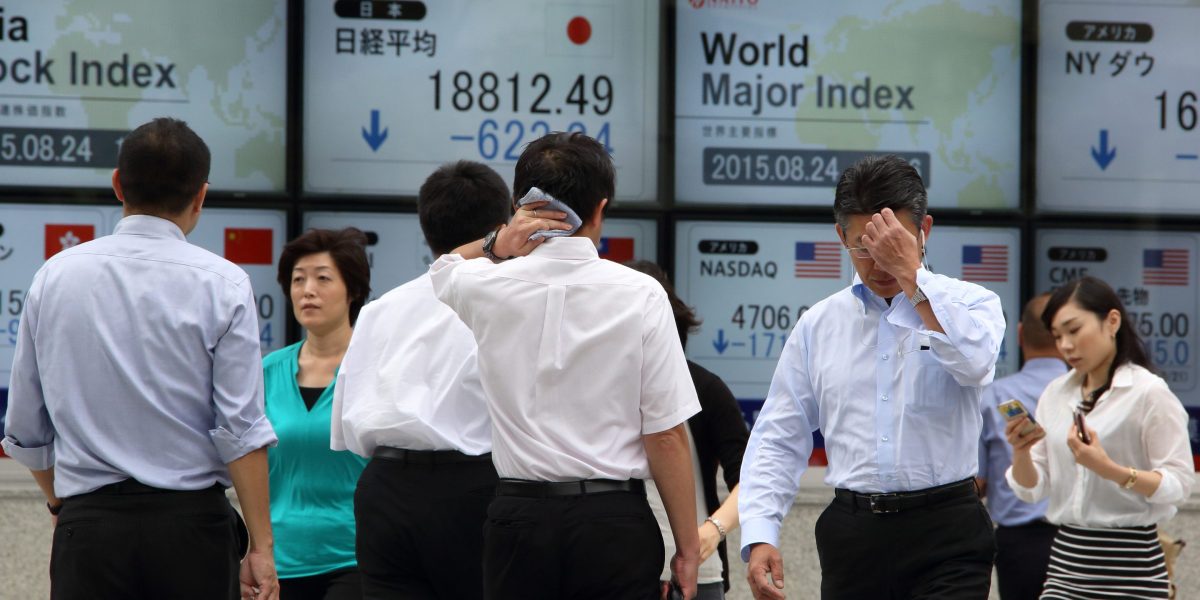
Europe’s current heat wave is turning high temperatures into an economic test as well as a public health threat. Fortune reported that the heat has lasted since late May, with Paris reaching 38°C, London 33°C and Berlin also at 33°C, while thousands of deaths are projected before conditions ease.
The financial stakes are large. Allianz has estimated that France, Italy, Germany and Spain could face $638 billion in cumulative heat-related GDP losses by 2030, with weaker labor productivity and higher cooling costs driving much of the damage.
R. Jisung Park, a labor economist at the University of Pennsylvania’s Wharton School and author of Slow Burn: The Hidden Costs of a Warming World, told Fortune that heat affects schools, workers and industrial safety. He said companies and policymakers often miss the economic cost because many losses appear in routine disruptions rather than dramatic disasters.
Heat shows up in output, safety and learning
Research cited by Fortune found that New York City public school students taking high school exit exams on a 90-degree day have historically been about 10% less likely to pass than students taking the same exams on a 65-degree day. Other research cited by Fortune found that workers in indoor and outdoor jobs are 5% to 45% more likely to suffer a serious injury or accident when temperatures reach the high 80s Fahrenheit or higher.
Fortune also reported that hotter-than-average years in the United States are linked to lower learning and human capital gains among students, with effects showing up in PSAT scores. Park said the damage is unequal, since air-conditioned offices offer more protection than kitchens, warehouses, construction sites and other heat-exposed workplaces.
Studies cited by Fortune found that, worldwide, each 1°C increase above average reduces average GDP per capita growth by 0.7% to 1.3%. Park said some cold places may benefit from limited warming for a time, but he told Fortune that the broader impact for most economies is negative, especially where infrastructure has not been built for heat.
Adaptation differs sharply by country
Park told Fortune that adaptation explains why the same temperature can have very different effects in different places. He said a 90-degree day in Seattle can be deadlier than a 90-degree day in Houston because Houston has more physical and institutional systems designed around frequent heat.
U.S. Energy Information Administration data cited by Fortune show that 80% to 90% of Americans have home air conditioning. IEA data cited by Fortune put Germany at about 19%, nearly double its level from two years earlier, while only about 5% to 7% of homes in the United Kingdom have air conditioning.
A European Central Bank working paper cited by Fortune found that one extreme heat day lowers German GDP growth by 0.2 to 0.3 percentage points over the next 12 months. The same paper found a smaller effect in Spain and Italy, which are more accustomed to heat.
A 2006 Lawrence Berkeley National Laboratory meta-analysis found that productivity peaks near 22°C, or 72°F, and drops about 2% for every degree above 25°C. Park told Fortune that this creates problems for countries such as Germany, Sweden and the United Kingdom when temperatures rise into the 30s Celsius and workplaces lack cooling.
Companies face hidden heat costs
Park told Fortune that companies should know how much of their workforce is exposed to heat each day. He said many firms may not have measured that risk, even though heat can affect output, safety and the bottom line.
Heat also disrupts logistics, Park told Fortune, including airport operations. Fortune reported that research links heat to more flight delays and cancellations, with ground crews, baggage handlers and refueling staff exposed to hot tarmacs, and with some runways facing physical limits under extreme temperatures.
Park said governments and businesses should treat heat as a practical economic problem. He told Fortune that decisions on cooling, warnings, healthcare, transport and workplace protections should begin with data on how heat affects lives, livelihoods and productivity.
This story draws on original reporting from Fortune.