
Heat dome expected to raise July Fourth heat risks across eastern U.S.
Forecasters expect a long heat wave in the eastern U.S. as scientists warn heat domes are becoming more severe with climate change.
By Hana Yoshida · Markets Reporter
3 min read
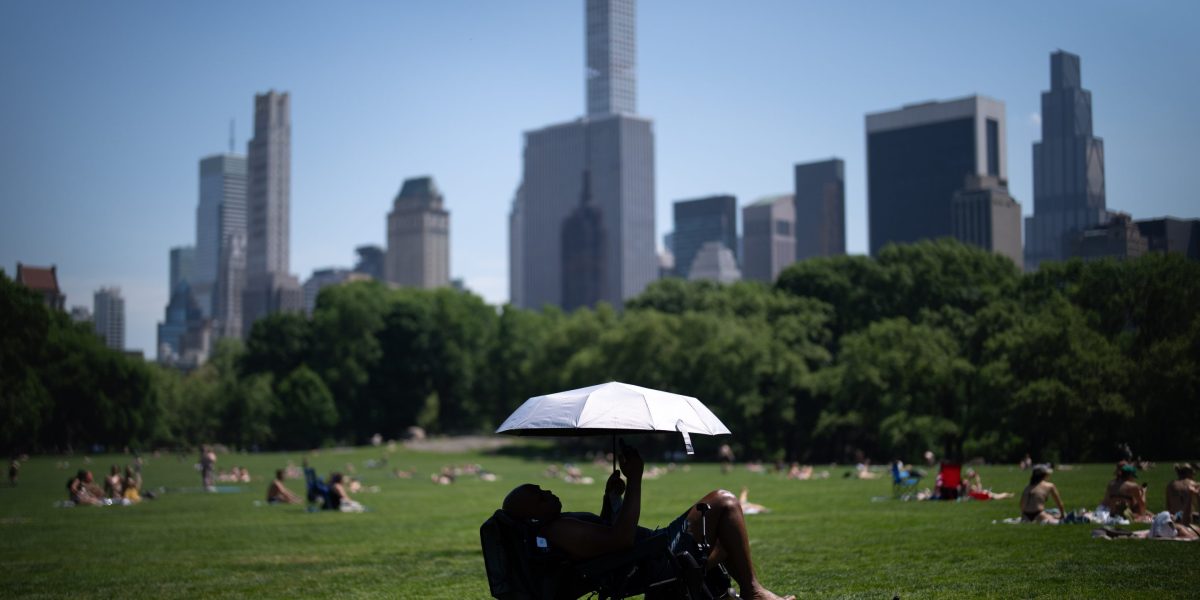
A prolonged heat wave is expected to grip much of the eastern United States in the days leading into the July Fourth holiday, the Associated Press reported. Scientists say the pattern is tied to a heat dome, a weather setup that can keep dangerous heat and humidity in place for days.
The Southwest is already seeing temperatures near 100 degrees Fahrenheit, or 38 Celsius, this week, according to AP. Similar heat could spread elsewhere by the holiday, while Europe has also been dealing with unusually high temperatures around 40 Celsius, or 104 Fahrenheit, in many places since mid-June.
How heat domes work
Heat domes are high-pressure systems that sit over an area and hold heat and moisture near the surface, experts told AP. They form as warm air moves north, sinks, increases pressure and pushes temperatures higher.
Jennifer Francis, a climate scientist at the Woodwell Climate Research Center, told AP that the term describes an area where the air is so warm that it expands, causing layers of the atmosphere to bulge upward. Zachary Labe, a climate scientist at Climate Central, told AP that heat domes are linked with dry, sunny conditions that can persist for several days and intensify heat near the ground.
The pattern can make heat waves last longer and feel worse, particularly when humidity stays high. Labe said nighttime heat is a serious concern because some people may not get enough relief after sunset, especially if they lack effective cooling.
“It’s those night times — especially, locations and people, who don’t have access to adequate cooling, really need to be aware of the impacts that added heat stress will have and their body’s ability not to be able to cool down,” Labe told AP, adding that humidity can increase the effects of heat stress.
Heat has already marked 2026
AP reported that heat has affected several parts of the world this year. The continental United States recorded its most abnormally hot March in 132 years of recordkeeping, according to AP, with extreme temperatures first in the Southwest and later across other parts of the country.
AP also reported that heat affected the French Open and parts of India in May. Extreme heat has been a concern for the World Cup across the United States, Canada and Mexico, according to AP.
Climate change and safety advice
Scientists told AP that climate change is making heat waves more frequent, longer-lasting and more intense as humans burn coal, oil and gas. Francis said heat waves like the current ones are directly linked to climate change, pointing to fossil fuel use, deforestation and rising concentrations of heat-trapping gases in the atmosphere.
Experts told AP that people should drink water, avoid outdoor exercise during the hottest part of the day and seek shade or air conditioning when possible. AP reported that some cities open cooling centers or offer other resources during dangerous heat.
Cooling off in pools or other bodies of water can help, experts told AP. They also warned that heat domes can limit the body’s chance to recover overnight, making it important to stay cool during both daytime and evening hours.
This story draws on original reporting from Fortune.