
Bolivia declares emergency as road blockades choke supplies
President Rodrigo Paz authorized military support for police after weeks of blockades caused shortages, deaths and clashes across Bolivia.
By Daniel Okafor · Business Editor
3 min read
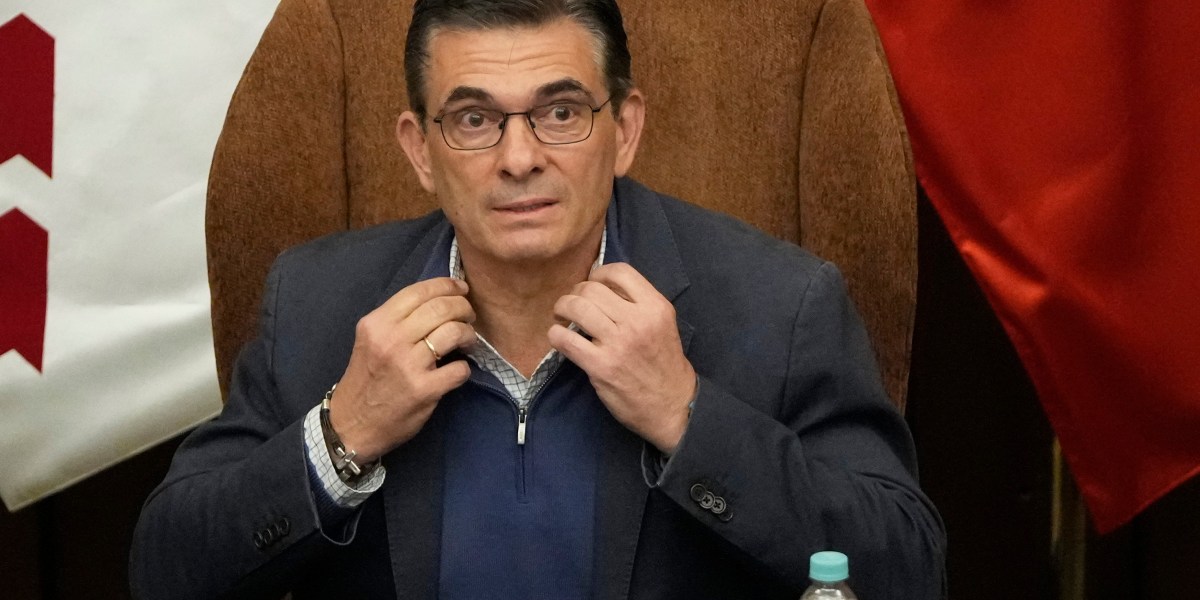
Bolivian President Rodrigo Paz declared a 90-day state of emergency Saturday, giving the armed forces authority to help clear road blockades that have disrupted fuel, food and medical access, the Associated Press reported. The move raises the stakes in a five-week protest wave that authorities say has brought arrests, injuries and deaths tied to transport disruptions.
Paz said in a televised address that the order was meant to restore movement rather than curb daily life. “This is not a state of emergency to restrict people’s lives. It is a state of emergency to give people back their freedom,” he said, according to AP.
The protests have targeted Paz’s government over austerity policies, including the removal of fuel subsidies, AP reported. Authorities said confrontations between demonstrators carrying dynamite and riot police have led to at least 365 arrests and 37 injuries.
Bolivia’s ombudsman’s office and human rights organizations said at least 17 people have died, with most deaths linked to a lack of medical care caused by blocked transportation routes, according to AP. The government said at least seven people died after being unable to get medical attention because roadblocks cut off access.
Key routes into La Paz, Bolivia’s seat of government, have been obstructed, leaving the city isolated and causing shortages of fuel and food, AP reported. Hospitals ran short of oxygen, businesses closed and supermarket shelves emptied as the blockades continued, according to the report.
The emergency decree bars blockades of streets, avenues, roads and highways when they disrupt transport and supplies, AP reported. It instructs the military to support police on a temporary basis in reopening roads, restoring order and protecting residents.
The decree says due process rights and constitutional guarantees remain in place and that people may continue normal activities, according to AP. The government said the emergency could end before 90 days if violence and threats against the public stop.
Paz reached an agreement Friday night with one labor union whose leaders urged protesters to remove the blockades, AP reported. Other demonstrators have refused talks and demanded that Paz resign.
Paz took office in November after nearly two decades of uninterrupted rule by the Movement Toward Socialism party, known as MAS, AP reported. He ran as a centrist and promised to address chronic fuel shortages and rebuild depleted central bank reserves while preserving social programs associated with MAS.
His government ended fuel shortages, but AP reported that poor-quality gasoline damaged thousands of vehicles. The removal of fuel subsidies has worsened inflation, and proposals aimed at drawing foreign investment and boosting growth have stalled in Congress, according to AP.
Highland Indigenous and rural workers’ groups that once backed MAS and later helped Paz win office have led the protests, accusing his administration of ignoring their needs, AP reported. Former President Evo Morales has supported the demonstrations and called for a new election while avoiding an arrest warrant on statutory rape-related charges, according to AP.
The Trump administration has backed Paz, AP reported. U.S. Secretary of State Marco Rubio told Paz last week that Washington was increasing emergency assistance and logistics support to ease shortages caused by the blockades, while Defense Secretary Pete Hegseth described the protests as attempts to topple a legitimate government and wrote on X: “The United States is watching.”
This story draws on original reporting from Fortune.