
Gulf investors stand to gain from SpaceX listing
SpaceX’s planned IPO could hand Gulf backers large gains while advancing regional interest in space-based communications infrastructure.
By Sofia Marchetti · World Affairs Correspondent
3 min read
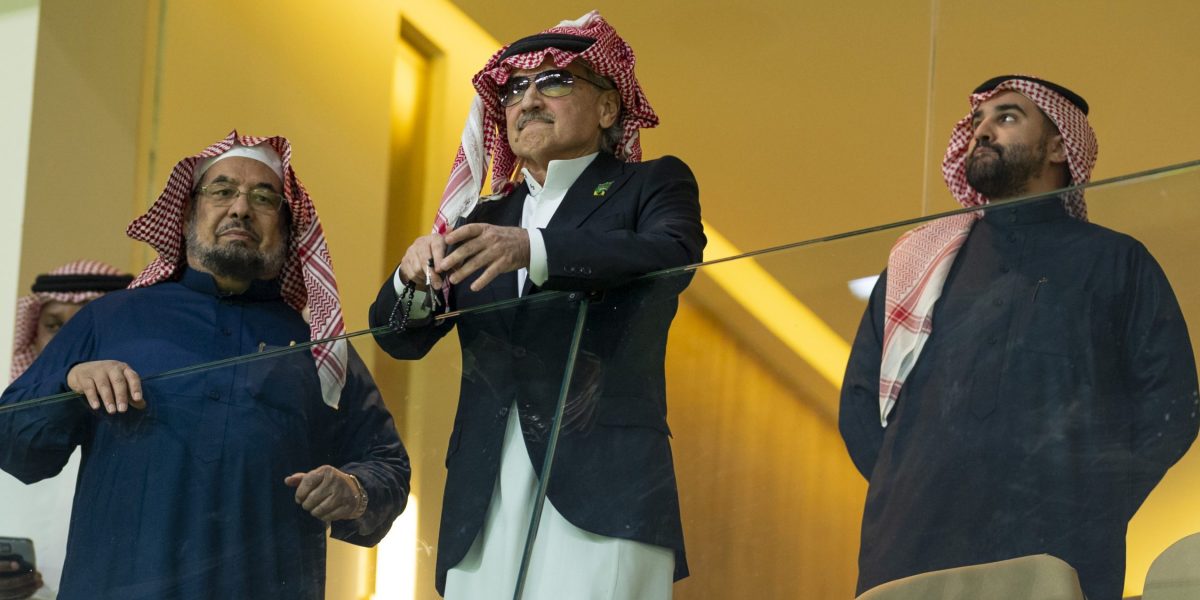
SpaceX’s planned public listing is set to put Gulf capital in the spotlight, with regional sovereign funds and prominent investors positioned to benefit from one of the largest IPOs on record. Fortune reported that the offering, scheduled for Wednesday, is expected to value the company at about $1.77 trillion and raise roughly $75 billion.
The potential gains matter for Gulf investors because the region’s usual oil-driven cash flow has been disrupted since the outbreak of the Iran war, according to Fortune. A successful debut would also validate early regional bets on Elon Musk’s space and technology businesses before public markets had a chance to price them.
Fortune reported that Saudi Prince Alwaleed bin Talal owns 0.63% of SpaceX. At the expected valuation, that holding could be worth about $10.6 billion.
Several Gulf sovereign wealth funds also have exposure to SpaceX through direct and indirect investments, Fortune reported. Their holdings are below disclosure thresholds, but the IPO would turn large private-market paper gains into a clearer market value.
Why the listing is strategic
The Gulf interest in SpaceX is about more than an investment return, according to Fortune. The company now combines rockets, satellite internet and artificial intelligence after SpaceX and xAI merged in early February, Fortune reported.
In its IPO filing, SpaceX said it plans to use some proceeds to help launch as many as one million data-center satellites. The company’s plan would move computing infrastructure into orbit, away from some of the resource and regulatory limits it faces on Earth.
SpaceX said in the filing that solar panels and laser-based optical communications in space could generate energy eight times more efficiently than systems on the ground. The company said the network could produce 100 gigawatts of power, roughly equal to 100 nuclear power plants, while also acknowledging that the technology remains at an early stage.
Those ambitions overlap with Gulf priorities in digital infrastructure and communications resilience, Fortune reported. The region has been trying to expand cloud, AI and connectivity systems while war has exposed physical chokepoints in energy and data routes.
Data routes face wartime pressure
The Strait of Hormuz blockade has shown that subsea cables can be exposed to conflict in much the same way as oil tankers, according to Fortune, citing analysis by the Stimson research center. Stimson said the strait concentrates both energy shipments and data flows in a narrow maritime corridor.
Fortune also reported that Gulf cloud infrastructure suffered damage in early March after two Amazon Web Services data centers in the UAE and one in Bahrain were hit directly by Iranian drones or affected by nearby debris.
Against that backdrop, Fortune reported that Starlink already serves as a backup communications network for key industries during disruptions and cloud outages. For Gulf investors, backing SpaceX’s satellite system therefore carries strategic weight alongside its potential financial payoff.
If SpaceX reaches the valuation expected by Fortune, the listing would mark a major return for Gulf investors that backed the company early. It would also deepen the region’s financial link to satellite-based communications at a time when war has made terrestrial and subsea systems look more exposed.
This story draws on original reporting from Fortune.