
Gulf debt rally faces liquidity test after ceasefire
GCC bond and sukuk spreads have tightened since the Iran-U.S. ceasefire, but dollar funding conditions still threaten weaker issuers.
By Hana Yoshida · Markets Reporter
4 min read
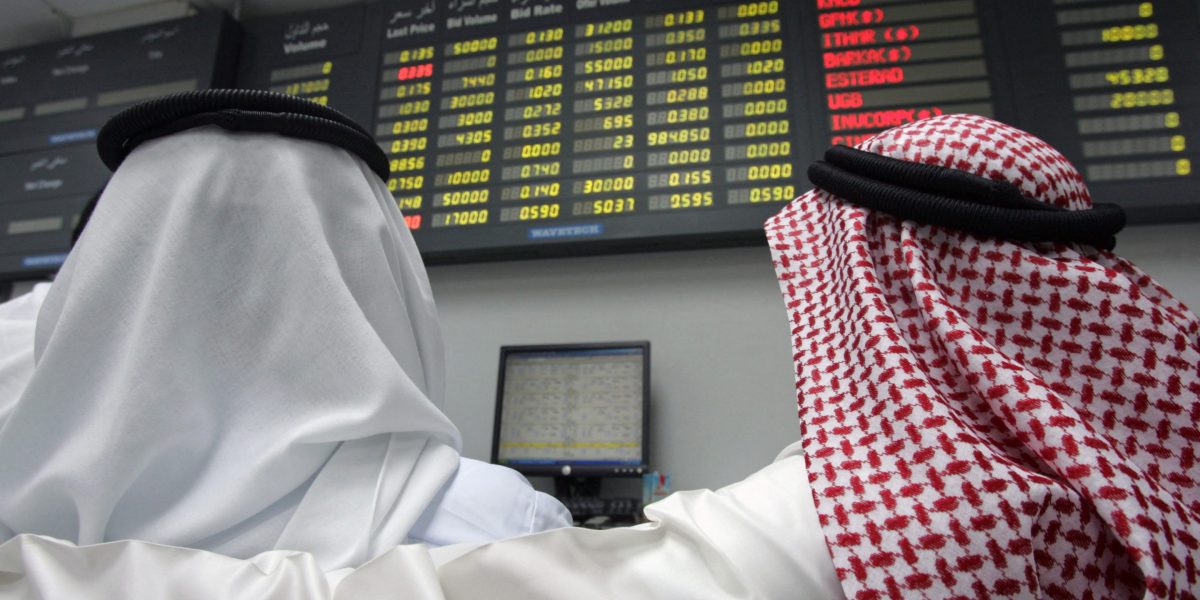
Gulf debt markets have rebounded since the Iran-U.S. ceasefire signed on April 8, with bond and sukuk spreads moving back toward levels seen before the conflict, Fortune reported. The recovery has reopened issuance for regional borrowers, but tight dollar liquidity is still keeping funding costs high and making investors more selective.
Fitch Ratings said in a mid-June report that Gulf Cooperation Council fixed-income yields have benefited from a drop in geopolitical risk premiums. According to Fitch, spreads on the S&P GCC Bond Index, a widely used regional benchmark, fell to 89 basis points from 126 basis points in March and about 100 basis points before the war.
Fortune reported that many GCC dollar bonds and sukuk, or Islamic bonds, had widened to five-year highs by the end of March after the conflict began in late February. Fitch said those spreads were the highest since the pandemic period, before narrowing over the following months.
Sukuk still carry lower average yields than conventional GCC bonds because Islamic banks provide broader demand, according to Fitch. High-yield GCC sukuk spreads, however, are still elevated, Fitch said.
Issuance returns as spreads tighten
Azad Zangana, head of GCC macroeconomic analysis at Oxford Economics in Dubai, told Fortune that bonds had rallied and yields had fallen since the ceasefire and a later memorandum of understanding. He said the market appears to have moved past the worst of the risk-premium shock for now.
The better tone has supported new debt sales. Fortune reported that QatarEnergy, AviLease, Emirates NBD, First Abu Dhabi Bank, Dukhan Bank and Burjeel Holdings issued a combined $7.5 billion in debt in the week to June 26.
Burjeel Holdings’ $500 million sukuk drew orders equal to 3.2 times the deal size, Khaleej Times reported. The offering was priced with a 7% profit rate and a 7.125% yield, which Fortune said was the lowest five-year yield for a GCC-based private non-investment-grade corporate issuer since 2020.
Fortune reported that the Burjeel sukuk is due to be listed on the London Stock Exchange’s International Securities Market on July 1.
Dollar liquidity is the constraint
Funding costs remain tied to U.S. rates because GCC fixed-income yields closely track U.S. Treasuries, Fortune reported. All Gulf currencies except the Kuwaiti dinar are solely pegged to the dollar, making Federal Reserve policy a central factor for regional debt markets.
Fitch said it does not expect the Federal Reserve to cut rates in the second half of 2026. Reuters reported that more than three-quarters of economists in its poll expect the Fed to keep rates unchanged for the rest of the year.
The search for dollar liquidity has reached policy level in the United Arab Emirates. Reuters reported in May that UAE trade minister Thani Al Zeyoudi said the country was discussing a currency swap line with the United States to provide a lower-cost dollar backstop for the dirham.
Fortune reported that the UAE has nearly $300 billion in foreign exchange reserves and about $2.5 trillion in sovereign wealth, though much of that capital is allocated to economic diversification. Al Zeyoudi said the swap request was linked to the scale of trade and investment between the UAE and the U.S., rather than financial distress, according to Fortune.
Bahrain faces a more exposed position. Fortune reported that it became the first Gulf sovereign to issue debt since the start of the U.S.-Iran war when it raised $1 billion through a 10-year dollar bond on June 3.
Bahraini bonds recovered by mid-April after the UAE extended a $5.4 billion swap line to the kingdom, Fortune reported. Central Bank of Bahrain data showed reserves fell 56% from the previous month to $1.5 billion at the end of May, which Fortune said put them at the lowest level on record apart from a brief pandemic-era dip in April 2020.
Bahrain is the only GCC state without an investment-grade rating from the three major rating agencies, according to Fortune. Zangana told Fortune that thin market liquidity and limited depth remain long-term barriers for Gulf debt markets because large international investors can struggle to build positions at the scale they want.
This story draws on original reporting from Fortune.