
Top researchers leave Google DeepMind for rival AI labs
Two high-profile exits to OpenAI and Anthropic have intensified scrutiny of Google DeepMind’s position in the AI race, Fortune reported.
By Daniel Okafor · Business Editor
3 min read
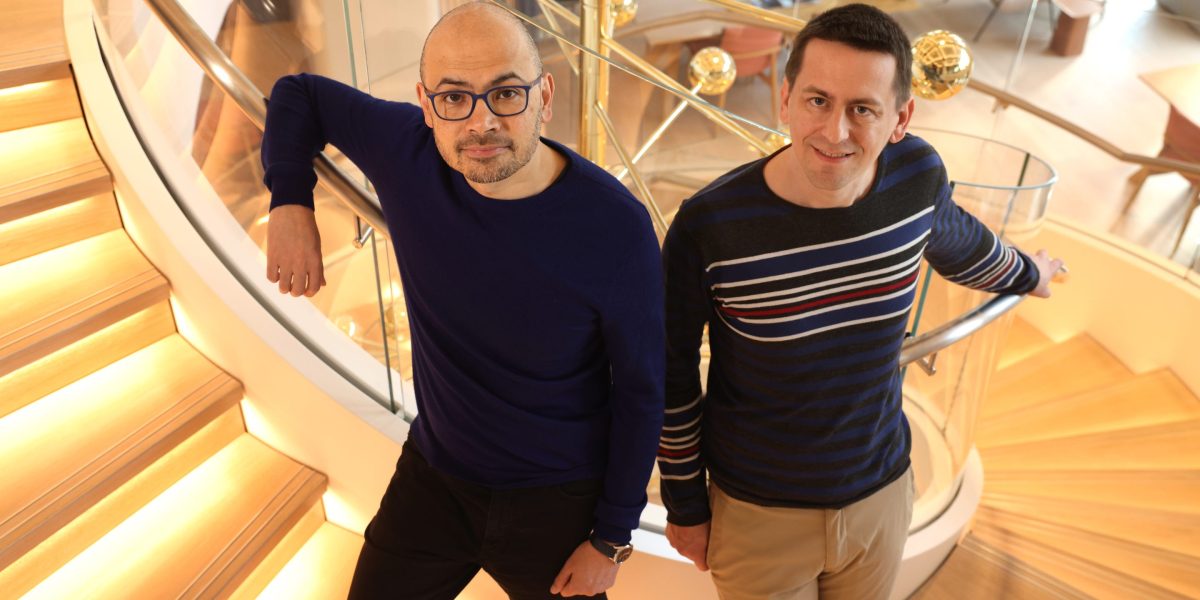
Google DeepMind has lost two prominent researchers to its main AI rivals, adding pressure on Alphabet as investors assess whether the company can keep pace with OpenAI and Anthropic, Fortune reported. Alphabet shares fell more than 5% on Monday after news of the departures, according to Fortune.
Noam Shazeer said Thursday on X that he was leaving Google for OpenAI, Fortune reported. John Jumper said days later on X that he was leaving Google DeepMind for Anthropic, according to the same report.
Two high-profile exits
Shazeer helped develop LaMDA, Google’s early large-language-model chatbot system, in 2021, Fortune reported. He previously left Google after frustration over the company’s pace in bringing the technology to market, then co-founded Character.ai with Daniel de Freitas, another former Google researcher who worked on LaMDA.
Google brought Shazeer back in 2024 through a deal in which it licensed Character.ai technology for a reported $2.7 billion payment, Fortune reported. His latest move sends him to OpenAI, the company whose ChatGPT release in November 2022 changed public expectations for consumer AI products.
Jumper shared the 2024 Nobel Prize in chemistry with Google DeepMind Chief Executive Demis Hassabis for work on AlphaFold, Fortune reported. The system predicted protein shapes from DNA sequences, a problem Fortune described as a long-running challenge in biochemistry.
After the Nobel, Jumper continued working at DeepMind on AI systems for protein properties, including how proteins bind to one another and how small molecules used in drugs may bind to proteins, Fortune reported. Anthropic CEO Dario Amodei recently told Bloomberg that Anthropic plans to do more work in biology, and Fortune linked Jumper’s hiring to that effort.
Questions over priorities and pace
Fortune reported that Google DeepMind still has a large group focused on applying AI to scientific problems and has built a Gemini-powered system intended to assist scientists across fields. Fortune also reported a perception that science is less central to Google DeepMind than it was before ChatGPT’s launch, while Isomorphic Labs, a DeepMind spinoff also led by Hassabis, focuses on drug discovery with commercial aims.
Neither Shazeer nor Jumper has publicly explained the reason for leaving, Fortune reported. The publication said Shazeer is thought to have made hundreds of millions of dollars from the Character.ai licensing deal and that some Google DeepMind researchers have received special Google stock-option packages designed to help retain talent against offers from rivals such as Meta’s Superintelligence Lab.
Fortune also reported that industry observers are questioning whether Google DeepMind is falling behind the front-running AI labs. The publication said Gemini 3.5 Flash and Gemini 3.1 Pro have often ranked outside the top five on several AI benchmark leaderboards, behind systems from Anthropic, OpenAI and Chinese labs including Zhipu AI and MiniMax.
Google said at its I/O conference in May that Gemini 3.5 Pro was being prepared for broad release in June, Fortune reported. That timing would put the release about four months after Gemini 3.1 Pro in February, while Anthropic released two Claude Opus updates and introduced its Mythos model class during the same period, according to Fortune.
Fortune, citing current and former Google DeepMind employees and others familiar with the lab, reported concerns that the organization has become slowed by size, bureaucracy and caution. Alphabet’s defenders told Fortune that Google’s vast user base and profit obligations make it harder to take the same risks as venture-funded rivals.
This story draws on original reporting from Fortune.