
Study ties GLP-1 obesity drugs to lower lifetime medical costs
An NBER study estimated large lifetime medical savings from sustained GLP-1 use, but experts cited price and coverage barriers.
By Maya Lindqvist · Senior Technology Correspondent
3 min read
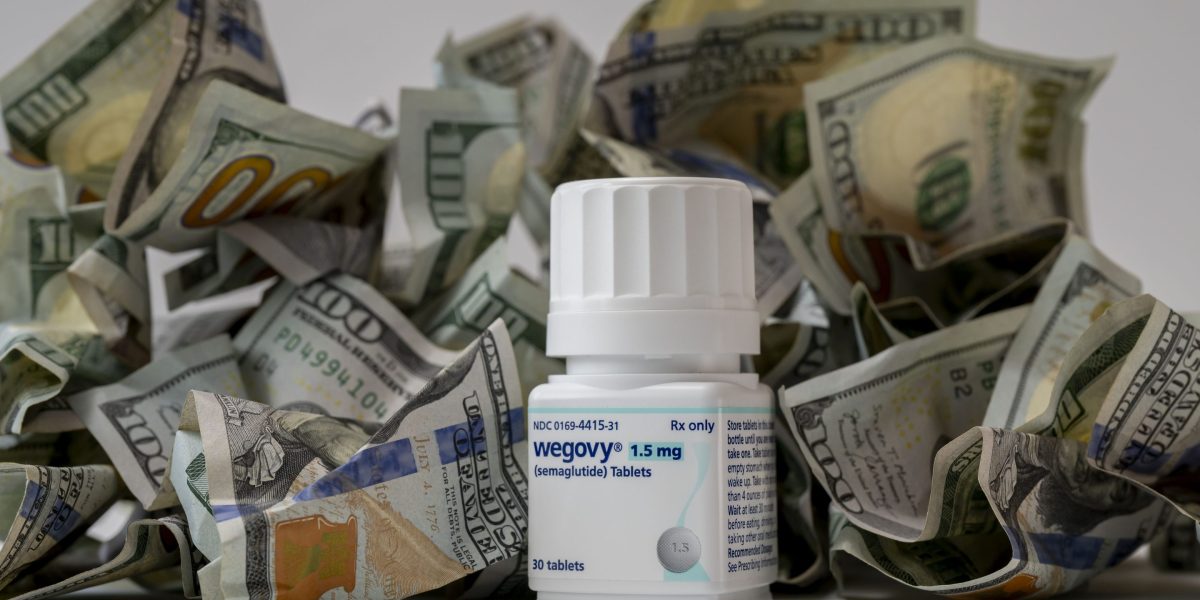
Middle-aged adults with obesity who use GLP-1 drugs could see large reductions in lifetime medical costs, according to a new National Bureau of Economic Research study. The findings add an economic argument to the debate over access to weight-loss drugs that remain expensive and often uncovered for obesity treatment.
The NBER report estimated that people ages 40 to 50 would save an average of $192,735 in lifetime medical bills if they used GLP-1 medications for obesity. The estimated savings were higher for adults in that age range without college degrees, reaching about $220,000, according to the study.
Researchers modeled the U.S. adult population age 25 and older and compared two lifetime paths, according to the NBER report. One assumed no GLP-1 use; the other assumed continued use among adults who met the obesity threshold, defined in the study as a body mass index above 30.
The report used a standard health economics approach to convert health gains and cost reductions into dollar terms. It estimated savings of $219,000 to $220,000 for adults without college diplomas, compared with $163,000 for college-educated adults.
Why the savings differ
Felipe Montano-Campos, the study’s lead author, told Fortune that obesity is linked to many chronic conditions, so treating it can reduce later medical spending. He said the drugs may have larger effects for people with lower educational attainment because GLP-1s act on appetite and metabolism rather than depending only on sustained diet and exercise routines.
The study also found that starting earlier could increase the projected savings. Beginning GLP-1 use between ages 25 and 30 could save as much as $270,800 over a lifetime, according to the NBER report.
Use of GLP-1 drugs has already spread widely. More than 40 million Americans have reported using the medications for weight loss, according to RAND research cited by Fortune. Morgan Stanley has projected that the GLP-1 weight-loss market could reach as much as $240 billion.
Cost and coverage remain obstacles
Fatima Cody Stanford, an obesity medicine physician at Massachusetts General Hospital, told Fortune that the projected benefits depend on patients being able to pay for the drugs for an indefinite period. She said stopping the medications can lead to weight regain and the return of cardiometabolic diseases the drugs were intended to treat.
Stanford told Fortune that an average American using FDA-approved GLP-1 drugs for weight management, including Wegovy, could pay about $350 to $450 per month. Fortune noted that TrumpRx lists Wegovy for direct-to-consumer purchase at $349 to $399, while GoodRx says Wegovy without insurance typically costs $1,350 per month.
Montano-Campos told Fortune that the NBER simulation did not account for people stopping GLP-1 treatment because they could not afford it. Fortune also reported that the study did not account for discontinuation tied to side effects.
Morgan Lee, lead researcher for Pharmaceutical Strategies Group’s 2026 survey of 237 benefits leaders, told Fortune that health plans want evidence that patients can remain on the drugs long enough to achieve long-term health gains. According to the PSG survey, about 75% of health plan providers do not cover GLP-1s for obesity-related weight loss, and nearly half said they would not cover them for obesity at any price.
Montano-Campos told Fortune that he hopes the study will shape the access debate. He said the findings suggest GLP-1 drugs could reduce health inequality if the people most likely to benefit can obtain them.
This story draws on original reporting from Fortune.