
Fuel supplies may take months to recover after Hormuz deal
Energy analysts told AP that stranded tankers, shut-in fields and security concerns could delay a return to normal oil and gasoline flows.
By Daniel Okafor · Business Editor
3 min read
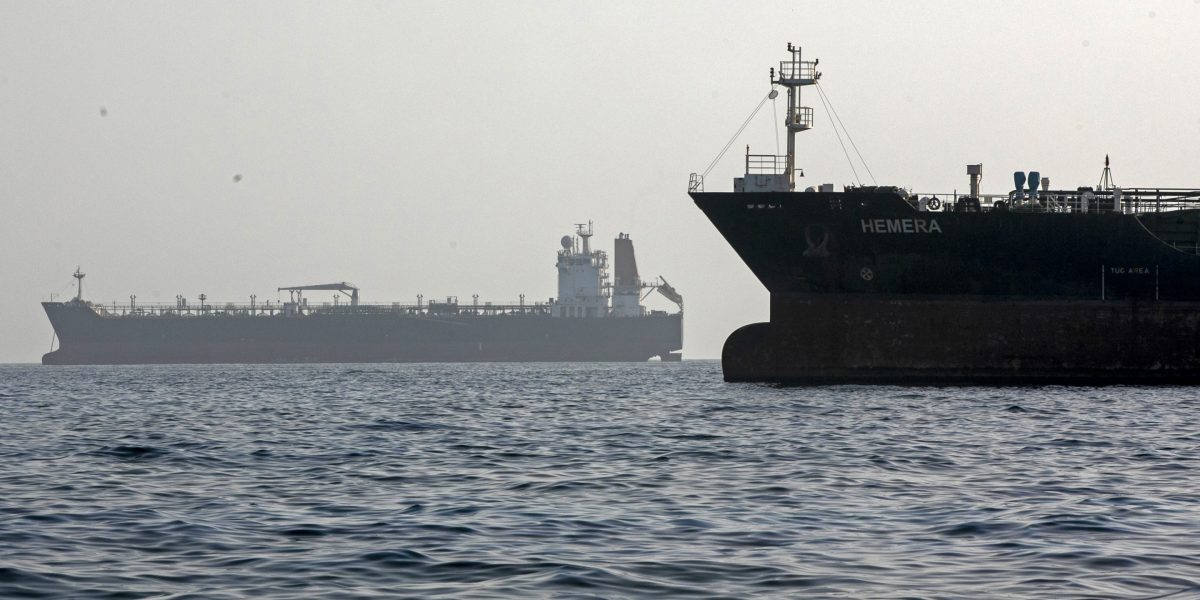
An agreement announced Sunday to end the Iran war and reopen the Strait of Hormuz is unlikely to bring a quick return to normal oil and gasoline supplies, energy analysts told The Associated Press. The delay could keep pressure on fuel markets because the waterway handled about one-fifth of global oil and gasoline flows before the war began, according to AP.
Analysts cited by AP said the recovery will be slowed by stranded cargoes, insurance questions, refinery schedules and the time needed to restart oil fields that were idled during the disruption. Some tankers carrying crude have been stuck in the Persian Gulf for more than three months because they could not pass safely through the strait, AP reported.
Tankers and insurers may move cautiously
Daniel Evans, global head of fuels and refining research at S&P Global Energy, told AP that companies will need time to regain confidence in the route and arrange insurance before crews and equipment can restart some operations. He said ships already waiting in the gulf would need to leave first, after which new vessels could enter to take on crude.
Evans said tanker operators need a safety window large enough to enter the strait, load cargo and depart. He also told AP that the shipping cycle itself adds delay: crude must travel from the region to distant refineries, be processed and then move through the fuel supply chain before it reaches end users.
That timeline means an open strait does not immediately translate into lower prices or full shelves of supply, according to the analysts cited by AP. Refining capacity, shipping availability and confidence in the ceasefire all affect how quickly crude can become gasoline and other fuels.
Shut-in oil fields add another delay
AP reported that some Middle East producers stopped pulling oil from the ground after storage filled up during the closure. Restarting those shut-in fields can be slow, especially where infrastructure and field conditions are more difficult, analysts said.
Alan Gelder, senior vice president of refining, chemicals and oil markets at Wood Mackenzie, told AP that Saudi Arabia and the United Arab Emirates may be able to recover faster because they have pipelines or other routes that do not rely only on Hormuz. He said Iraq faces a tougher path because it had a larger shut-in and more difficult fields, and that its recovery could take about a year.
Gelder also told AP that investment in the energy system stopped after the strait closed. Because energy projects often take years to produce results, he said capital spending will also need time to resume.
Daniel Sternoff, a senior fellow at Columbia University’s Center on Global Energy Policy, told AP that producers will be reluctant to restart until they believe the route is stable and the ceasefire can last beyond the next 30 or 60 days. He said there is still uncertainty over what reopening means in practice and how quickly trapped cargo can move out.
This story draws on original reporting from Fortune.