
Florida insurance strain raises housing-market risk, researcher says
Rising coverage costs after major storms are widening divides in Florida’s coastal communities, according to urban development scholar Zac Taylor.
By Sofia Marchetti · World Affairs Correspondent
3 min read
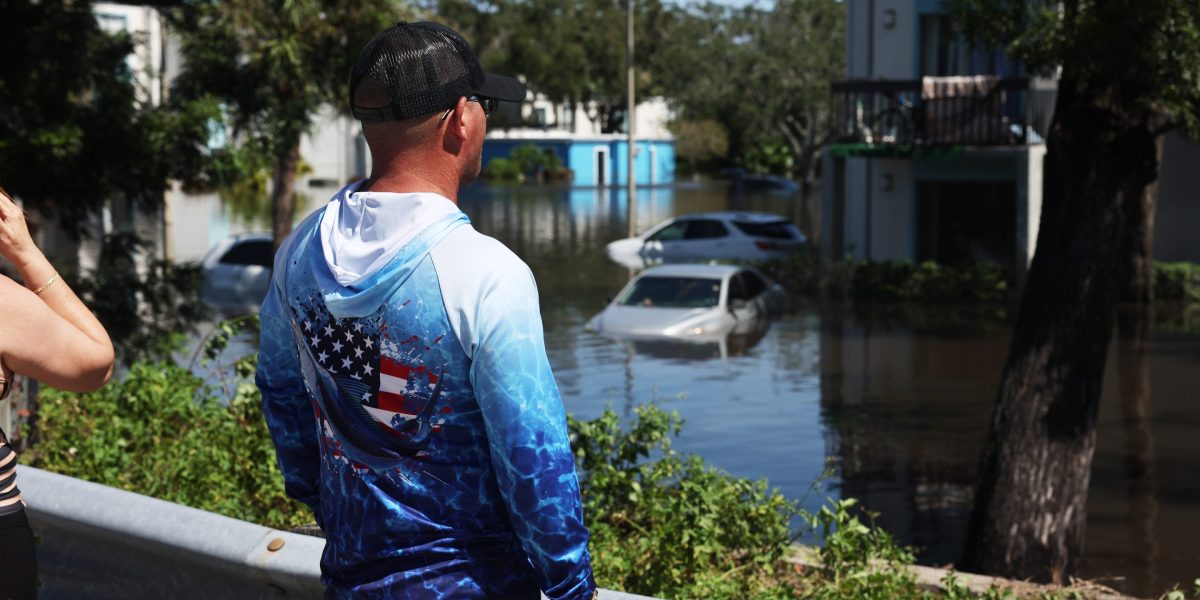
Florida’s mounting home-insurance pressure is beginning to reshape coastal housing markets, according to Zac Taylor, an assistant professor of urban development management at Delft University of Technology. Taylor wrote in The Conversation that rising premiums and reduced access to coverage could set off a chain of losses affecting mortgages, home values, local budgets and renters.
Taylor pointed to Shore Acres, a low-lying neighborhood in St. Petersburg, as an example of how storms and insurance costs can split a community. After Hurricane Helene pushed several feet of water into homes in 2024 and Hurricane Milton later brought major wind damage nearby, Taylor said older homes showed severe damage while newer elevated homes appeared largely spared.
Many damaged properties had “for sale” signs, Taylor wrote, suggesting some owners were unwilling or unable to rebuild. He said the contrast showed how climate risk and housing finance are changing the cost of living in vulnerable parts of Florida.
Insurance costs reach beyond homeowners
Home insurance has become a central financial issue in Florida because mortgage lending depends on coverage, Taylor wrote. If owners cannot obtain or afford insurance, they may struggle to keep mortgages, while buyers who need loans may be shut out of the market.
That pressure can feed through the wider housing system, according to Taylor. Falling buyer demand can weigh on prices, which can erode household wealth, reduce property-tax revenue and strain local government budgets.
Taylor compared the potential downward spiral to dynamics seen during the 2008 mortgage crisis, while emphasizing a different trigger: climate-related insurance stress rather than subprime lending. He wrote that renters and affordable-housing providers also face pressure when landlords pass on higher insurance bills, delay repairs, postpone construction or run into financial trouble.
Wealth shapes who can stay protected
Taylor said some residents and cities can spend money to reduce storm losses, rebuild after disasters and install protective infrastructure. Others cannot absorb repeated damage, higher premiums or expensive home upgrades.
Research cited by Taylor on Miami shows climate risk has already begun sorting neighborhoods by wealth, resilience and insurability. He wrote that higher insurance costs could put homeownership farther out of reach in places such as Miami Gardens, while investors buying less flood-prone elevated land in communities such as Little Haiti can contribute to displacement.
Insurance is meant to spread risk, Taylor wrote, but private insurers facing larger losses become more selective about which properties they cover and at what price. He said that shift can leave some households protected while others are priced out, deepening racial and economic inequities already present in Florida housing markets.
Proposals link coverage to resilience
Taylor wrote that Florida has created a complex set of semipublic insurance institutions, but has not done enough to tie insurance to home and neighborhood resilience. He said private financial-market efforts have been difficult because individual homeowners and private markets cannot coordinate broad community adaptation.
Reform ideas cited by Taylor include stronger building codes, retrofits, infrastructure, spatial planning and expanded public insurance options tied to risk-reduction measures. He also pointed to proposals from the Climate and Community Institute for housing resilience agencies that could combine consumer insurance with adaptation investments.
Such agencies, Taylor wrote, could pool risk through a public insurance system while funding measures that reduce future losses. He said the core policy choice for Florida is who and what the state intends to protect, for how long and at what cost.
This story draws on original reporting from Fortune.