
Fleek raises $25 million to expand vintage clothing marketplace
The London startup says its Series B will fund AI sorting tools and growth for its wholesale vintage clothing platform.
By Sofia Marchetti · World Affairs Correspondent
3 min read
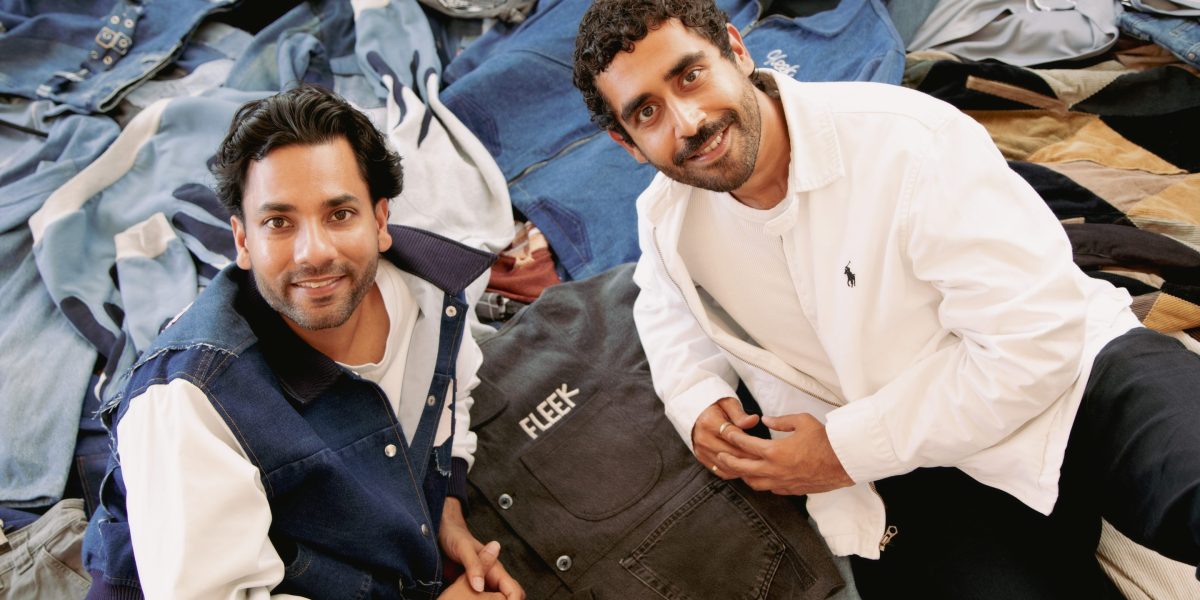
Fleek has raised $25 million in Series B funding to grow its marketplace for wholesale secondhand clothing, Fortune reported. The London-based startup connects vintage clothing suppliers with retailers, a trade that Fleek says remains large, fragmented and exposed to inconsistent grading and fraud risk.
The round was led by Burda Principal Investments, an investor in secondhand clothing platform Vinted, according to Fortune. eBay, FJ Labs and H14 also joined the financing, along with existing backers Andreessen Horowitz, HV Capital and Y Combinator.
Fleek said the new investment brings its total funding to $45 million. The company declined to share its latest valuation, Fortune reported.
Marketplace built around a hard-to-see supply chain
Abhi Arora and Sanket Agarwal founded Fleek in 2021 after hearing from sellers who had struggled to find reliable inventory during and after the COVID-19 pandemic, according to Fortune. Arora told Fortune that a vintage shop owner near Brick Lane in London closed after pandemic-era buying disruptions, broker fees and a scam that cost her more than $15,000.
The company now works with about 2,000 verified wholesale suppliers and more than 50,000 retailers in over 100 countries, Fleek told Fortune. Its suppliers are concentrated in India, Pakistan and Dubai, where much of the world’s used clothing is sorted and graded, while many buyers are in the U.S. and Europe.
Fleek says customers include retail chains, brands, vintage stores and professional resellers. The platform guarantees transactions, according to Fortune, a feature aimed at reducing the risk buyers face when purchasing from distant suppliers.
The company says as many as 24 billion secondhand garments move through global supply chains each year. Fleek also estimates the broader industry is worth more than $200 billion, while much of its sorting, grading and pricing still depends on manual processes.
AI sorting tool gets new backing
Fleek plans to use the capital to keep developing Fleek Sort, hire more engineers and add buyers and sellers, Arora told Fortune. Fleek Sort is an in-house computer vision and language model trained on four years of the company’s transaction data, according to Fortune.
The tool analyzes smartphone photos to identify a garment’s brand, style and category, Fleek told Fortune. It can also flag defects, estimate a likely selling price and predict how long an item may take to sell, though buyers and sellers can still agree their own pricing.
Fleek Sort is already used by graders in sorting centers in Pakistan, India and Dubai, according to Fortune. The company is also testing the product in the U.K., Europe and the U.S.
Fleek built the model internally because outside AI models would have been too costly at the volumes its partners handle, Fortune reported. The company said its largest partner processes about 600,000 pounds of clothing a day.
The company is also working on video-based analysis and studying how the technology could be used with conveyor belts in sorting facilities, according to Fortune. Agarwal told Fortune that robots able to sort and grade garments at human speed in large facilities remain a longer-term prospect.
Fleek still uses physical checks for some authenticity issues. Fortune reported that the company operates quality-control centers in Karachi and Delhi for brands and categories that its data shows are more often counterfeited.
Regulation could send more clothing into resale and recycling channels. The European Environment Agency says EU rules now require member states to collect textiles separately, and the European Commission has announced rules barring the destruction of unsold clothing and footwear.
This story draws on original reporting from Fortune.