
Farm groups turn on Bayer over proposed glyphosate import duties
Bayer says duties on Chinese glyphosate would protect U.S. production, while farm groups warn the move could raise weedkiller costs.
By Daniel Okafor · Business Editor
3 min read
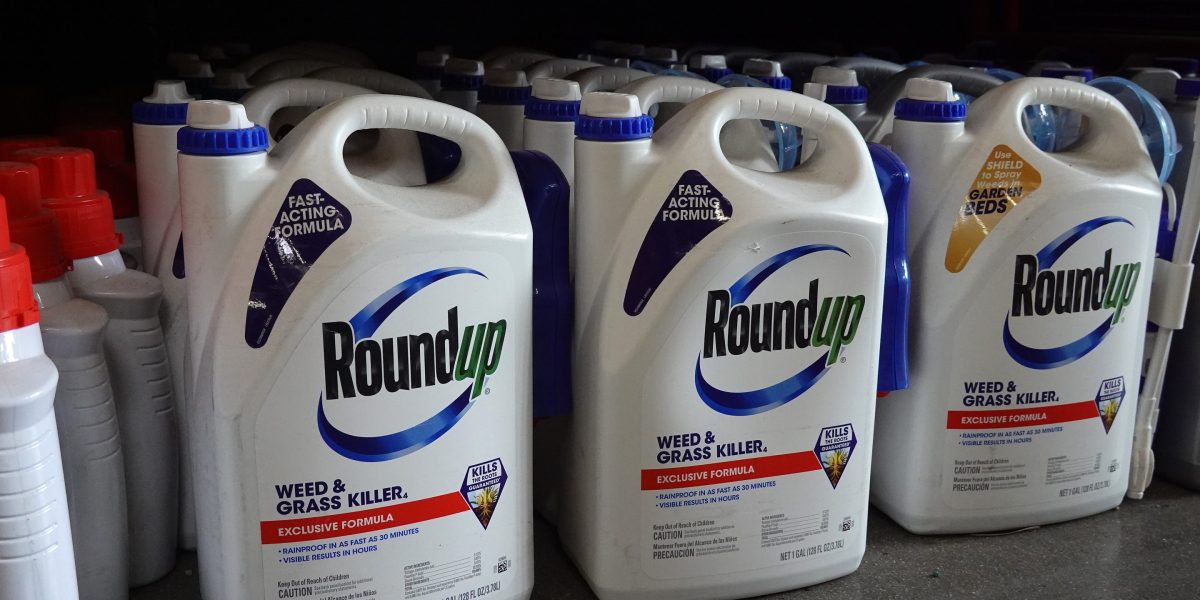
Bayer’s push for new U.S. duties on Chinese-made glyphosate has angered farm groups that recently backed the company in a Supreme Court fight over Roundup. The dispute matters because glyphosate is a key weedkiller ingredient for row-crop farmers already facing high input costs and weak prices, according to farm organizations cited by Fortune.
Monsanto, Bayer’s U.S. subsidiary, and affiliate Ruveon LLC filed petitions on June 30 with the Commerce Department and the U.S. International Trade Commission seeking antidumping and countervailing duties on glyphosate from China, Fortune reported. The companies argue Chinese producers are selling the chemical in the United States below fair value.
The requested duties range from 68.9% to 446.47%, according to Fortune. Bayer is the only remaining U.S. maker of glyphosate and supplies about 60% of the domestic market, the outlet reported.
Farm allies object after court fight
The tariff request came five days after Bayer won a favorable Supreme Court ruling in litigation over Roundup, according to Fortune. The case involved state lawsuits alleging the company failed to warn users that Roundup could cause cancer.
Twelve agricultural groups, led by the American Farm Bureau Federation, filed a friend-of-the-court brief supporting Bayer, Fortune reported. The groups included the National Corn Growers Association, the American Soybean Association and the National Association of Wheat Growers, and they argued that a loss could threaten farmers’ access to an important weed-control product.
National Corn Growers Association President Jed Bower praised the Supreme Court decision as “great news for all farmers in the country,” according to a statement cited by Fortune. After Bayer sought duties, Bower told DTN that farmers had supported the company in court and that Bayer then “completely” disregarded them during a severe farm-sector downturn.
Bower also said, according to AgWeb, that Bayer’s tariff push was “no act of partnership” and was aimed at helping the company and its shareholders. Sam Kieffer, CEO of the National Association of Wheat Growers, warned in comments cited by DTN that tariffs on imported glyphosate would hit wheat farmers facing high costs, low commodity prices and market uncertainty.
The American Soybean Association told Fortune that glyphosate duties would reduce competition, risk higher costs and hurt U.S. farmers at a time of tight margins.
Bayer says it is defending domestic supply
A Bayer spokesperson told Fortune the company’s domestic glyphosate business is not sustainable under current conditions. The spokesperson said the trade case is needed to support long-term U.S. production for American farmers.
Farm groups have pointed to a Texas A&M study on separate duties involving imported phosphate fertilizer. That study estimated such duties cost crop growers $6.9 billion from 2021 to 2025, according to Fortune.
The timing also follows a move by President Donald Trump to suspend certain duties on Moroccan phosphate fertilizer for eight months, Fortune reported. One day later, Monsanto filed its glyphosate petition.
Trump had earlier issued a February executive order invoking the Defense Production Act and directing the U.S. Department of Agriculture to ensure an adequate supply of glyphosate-based herbicides, according to Fortune. The order also told USDA not to put the corporate viability of domestic glyphosate producers such as Bayer at risk.
The trade case remains pending. Fortune reported that the International Trade Commission has about two months to make a preliminary injury finding, while a final Commerce Department decision could take up to a year.
This story draws on original reporting from Fortune.