
Expired surveillance law adds uncertainty ahead of World Cup and America 250
Section 702 has lapsed amid a political fight, raising concern about intelligence work for high-profile U.S. events even as court authority remains in place.
By Hana Yoshida · Markets Reporter
3 min read
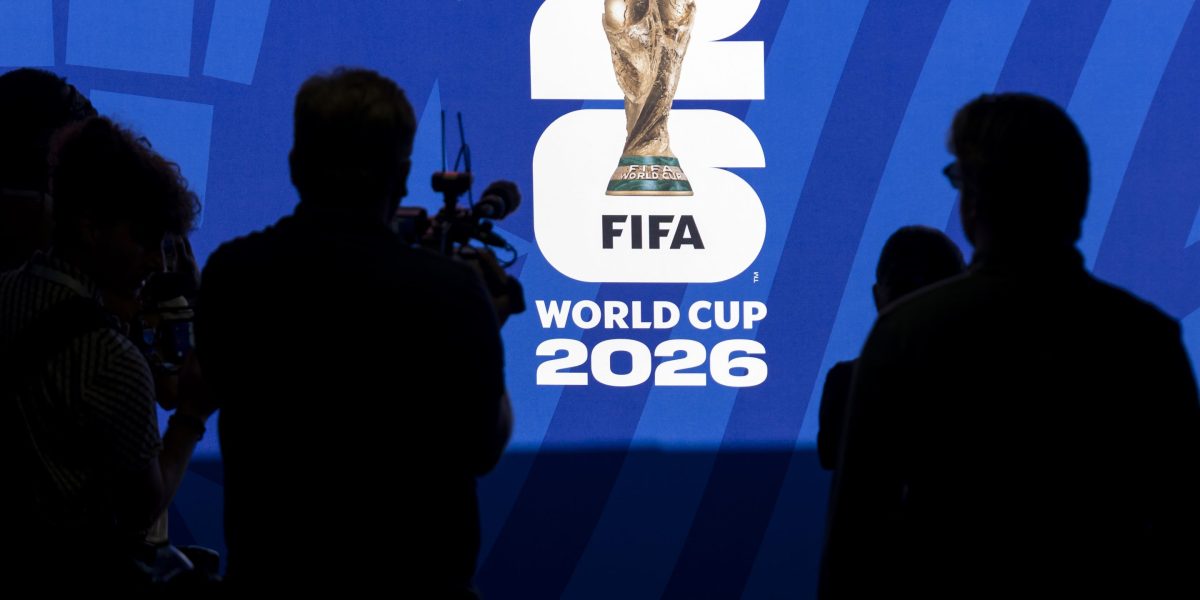
A U.S. surveillance authority used to collect foreign intelligence has expired, adding uncertainty to security planning for the World Cup and events marking America’s 250th anniversary. Bloomberg reported that the lapse in Section 702 of the Foreign Intelligence Surveillance Act has become tied up in a broader political fight over intelligence leadership and immigration policy.
Republicans warned the lapse could weaken national security. Senator Mike Rounds said it “makes our country a lot less safe” during a period of major public events, according to Bloomberg.
The law expired Friday after President Donald Trump and congressional Democrats clashed over Trump’s appointment of Federal Housing Finance Agency Director Bill Pulte as acting director of national intelligence, Bloomberg reported. Trump later nominated Jay Clayton for the permanent post, but Bloomberg reported Wednesday that Trump moved to delay Clayton’s Senate confirmation.
Trump also demanded that partisan immigration measures be attached to any extension of the surveillance authority, Bloomberg reported. That demand complicated the chances of a bipartisan agreement to renew the law.
Surveillance can continue, but company cooperation is unclear
Bloomberg reported that intelligence collection can continue through next March under authorization from the Foreign Intelligence Surveillance Court, even though the statute has lapsed. The court also has power to force companies to comply with surveillance directives.
Bloomberg cited a 2008 dispute in which Yahoo refused to cooperate during a short lapse in the authority. The U.S. government won a court fight that forced Yahoo to comply.
The practical risk now centers on whether telecommunications and internet companies continue to work quickly with the government, Bloomberg reported. AT&T, T-Mobile US, Verizon and Alphabet were among the companies identified as relevant to that question.
Senator Mark Warner, the top Democrat on the Senate Intelligence Committee, said the answer was uncertain and called the situation “a high-risk proposition,” according to Bloomberg. Later Wednesday, Warner said that “so far” telecommunications companies were still allowing U.S. intelligence agencies to conduct surveillance on their networks.
Bloomberg reported that Verizon and AT&T declined to comment. Alphabet, T-Mobile and the Telecommunications Industry Association did not respond to requests for comment.
High-profile events remain a focus
FBI Director Kash Patel said Tuesday that law enforcement had arrested “multiple individuals” who were planning an attack on the UFC America 250 Event at the White House on Sunday evening, Bloomberg reported. The FBI acted on a family member’s tip rather than surveillance, but Bloomberg said the case showed why public events can draw terrorist interest.
Glenn Gerstell, a former National Security Agency counsel, told Bloomberg that the government may now face delays or legal challenges from providers asked to turn over data. He said the country was “rolling the dice with national security” and asked, “what are we going to miss?”
Under Section 702, intelligence agencies identify foreign targets and direct U.S. companies to provide communications such as calls, emails and text messages, Bloomberg reported. The government does not need a court order for each foreign target; instead, the Foreign Intelligence Surveillance Court approves the general rules for the program each year.
Civil liberties advocates in both parties have long objected to the program because communications involving U.S. citizens can be reviewed without a warrant when those citizens communicate with foreigners abroad, Bloomberg reported.
Security experts also said preparations for major events reduce the immediate danger. Gerstell told Bloomberg that intelligence agencies track events like the World Cup months or years ahead of time and are “not going blind.”
Justin Miller, a University of Tulsa cybersecurity professor and former Secret Service agent, told Bloomberg that a lapse would not create new threats but could limit visibility into foreign actors. Senator Ruben Gallego, an Arizona Democrat, said advance work helped when his state hosted the Super Bowl and said the lapse would not prevent domestic intelligence agencies from keeping people safe, according to Bloomberg.
This story draws on original reporting from Fortune.