
Executives say stale company processes are blunting AI returns
At Fortune’s COO Summit, leaders from Okta, IBM, FedEx Freight and BCG pointed to old internal systems as a drag on efficiency.
By Sofia Marchetti · World Affairs Correspondent
3 min read
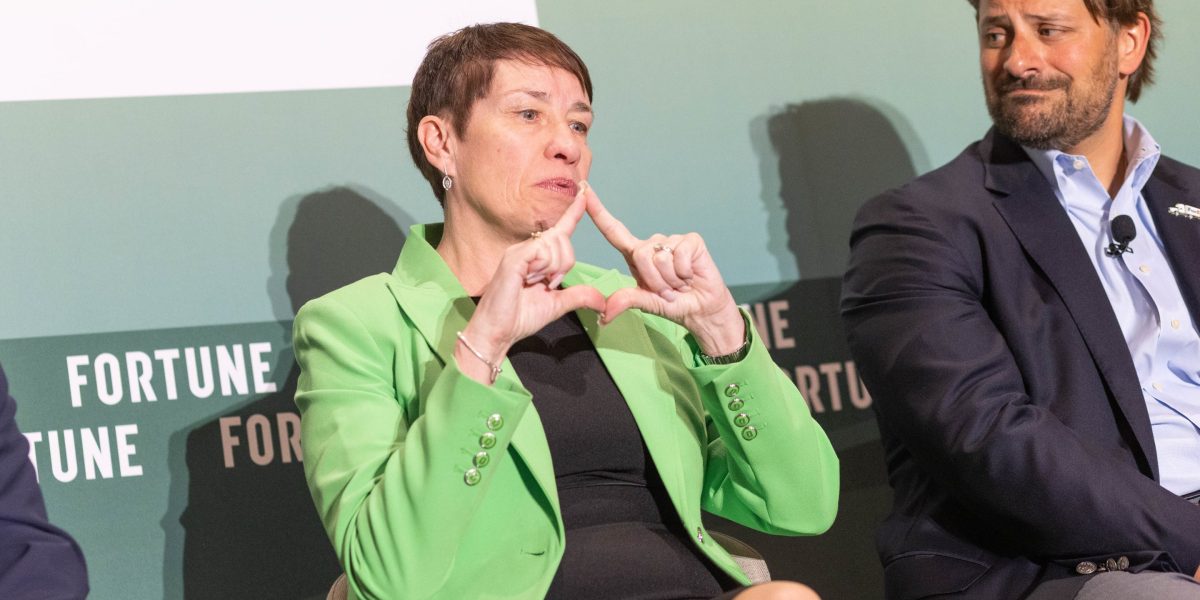
A routine expense review at Okta became a case study in corporate inefficiency after an $18 overage on a dinner tip was escalated to the company’s president and chief operating officer. At Fortune’s COO Summit in Scottsdale, Arizona, executives said such processes help explain why some companies are struggling to get results from AI and cost-cutting efforts.
Okta President and COO Eric Kelleher said at a BCG-hosted breakfast roundtable that a senior vice president’s gratuity on a roughly $2,000 dinner exceeded the company’s limit by $18, according to Fortune. The auditing system flagged the expense, staff wrote it up, an email was sent, an assistant processed it, and the matter reached Kelleher’s desk after being routed from the board.
Kelleher told the audience that the chain of reviews consumed paid time at several points. He called the process “waste,” according to Fortune.
Executives point to old processes
The discussion, moderated by Fortune senior writer Phil Wahba, included Kelleher; Patrick Maier, vice president of operations, Custom Critical, at FedEx Freight; Geraldine Rhodes, a partner and managing director at BCG; and Joanne Wright, IBM’s senior vice president of transformation and operations.
Kelleher said people who build internal functions over years can have trouble seeing how those functions should change. According to Fortune, he said employees often believe the systems they created are already running the right way, which can make improvement harder.
Rhodes linked that problem to disappointing AI results. Citing BCG research, Fortune reported that about 60% of executives surveyed by the consulting firm said they had seen little or no return from AI investments. Rhodes said the problem was not that the tools failed, but that companies were applying them to processes that needed to be fixed first.
Maier said FedEx Freight found examples of spending that had persisted without clear business use, according to Fortune. He cited a sponsorship for a local minor league team that was not producing sales meetings and a membership at a country club that was not being used for customer-facing events.
IBM cites savings from a broader reset
Wright said IBM, a 115-year-old company, has long focused on doing more with less. But she said companies rarely pause to ask what work they can stop doing, according to Fortune.
IBM’s answer was a two-year transformation that began with a broader review rather than a technology rollout, Fortune reported. Wright said the effort has produced a 30% improvement in IBM’s operating model, worth about $4.5 billion.
Rhodes said transformation projects need backing from senior executives with authority across company functions. Without that support, she said, teams can remain in silos and avoid challenging the assumptions behind their existing work.
Intern programs and new ideas
Kelleher said he treats cuts to intern programs as a warning sign. According to Fortune, he said he talks with teams that reduce internships because he worries they may be closing themselves off from new ideas.
He argued that companies should hire as many interns as they can afford, saying interns can bring energy to work that longtime employees may find draining. Wright said IBM’s newest interns use AI throughout the day and show little fear of the technology, according to Fortune.
Kelleher also said companies should give managers budgets for work rather than fixed headcount, allowing them to decide how much to spend on employees and how much to spend on technology. He described that shift as difficult for industry, according to Fortune, but said companies need a different way to think about how work gets done.
This story draws on original reporting from Fortune.