
Erling Haaland pop-up economy shows up in Visa World Cup data
Visa told Fortune that Norway matches drove spending surges at home and abroad during Haaland’s World Cup run.
By Sofia Marchetti · World Affairs Correspondent
3 min read
Erling Haaland’s pop-up economy was visible in Visa’s World Cup spending data, according to figures the card company shared with Fortune. Visa said Norway’s longest run in World Cup history coincided with sharp bursts of card activity wherever the national team, and its Manchester City striker, drew attention.
Visa told Fortune that transaction volume in Norway almost doubled during the team’s matches. By the later stages of the tournament, Visa said spending increased in more than 60 countries during Norway games, based on a comparison of card activity in the 12 hours around kickoff with a normal pre-tournament day in the same country.
What was Erling Haaland’s pop-up economy?
Visa used the phrase to describe short-lived spending surges connected to World Cup matches, host cities and fan movement. In Haaland’s case, Fortune reported that the effect extended beyond stadiums into shops, fashion items, team merchandise and tourism interest tied to his public profile.
Frank Cooper III, Visa’s chief marketing officer, told Fortune that the tournament was among the most influential World Cups the company had tracked on and off the field. He said Visa could see temporary economies appear in different cities as fans connected with merchants and host communities.
One example came after Norway defeated Brazil in the round of 16. Haaland and several teammates visited Wild Bill’s Western Store in Dallas, a western-wear shop that has operated for 40 years, according to CBS News.
Store owner Cody Newport told CBS News the business sold more than 2,000 T-shirts after the visit and had the best month in its history. Fortune reported that Dallas was also among the host cities where Visa saw some of the sharper match-linked spending increases.
How far did the Haaland effect reach?
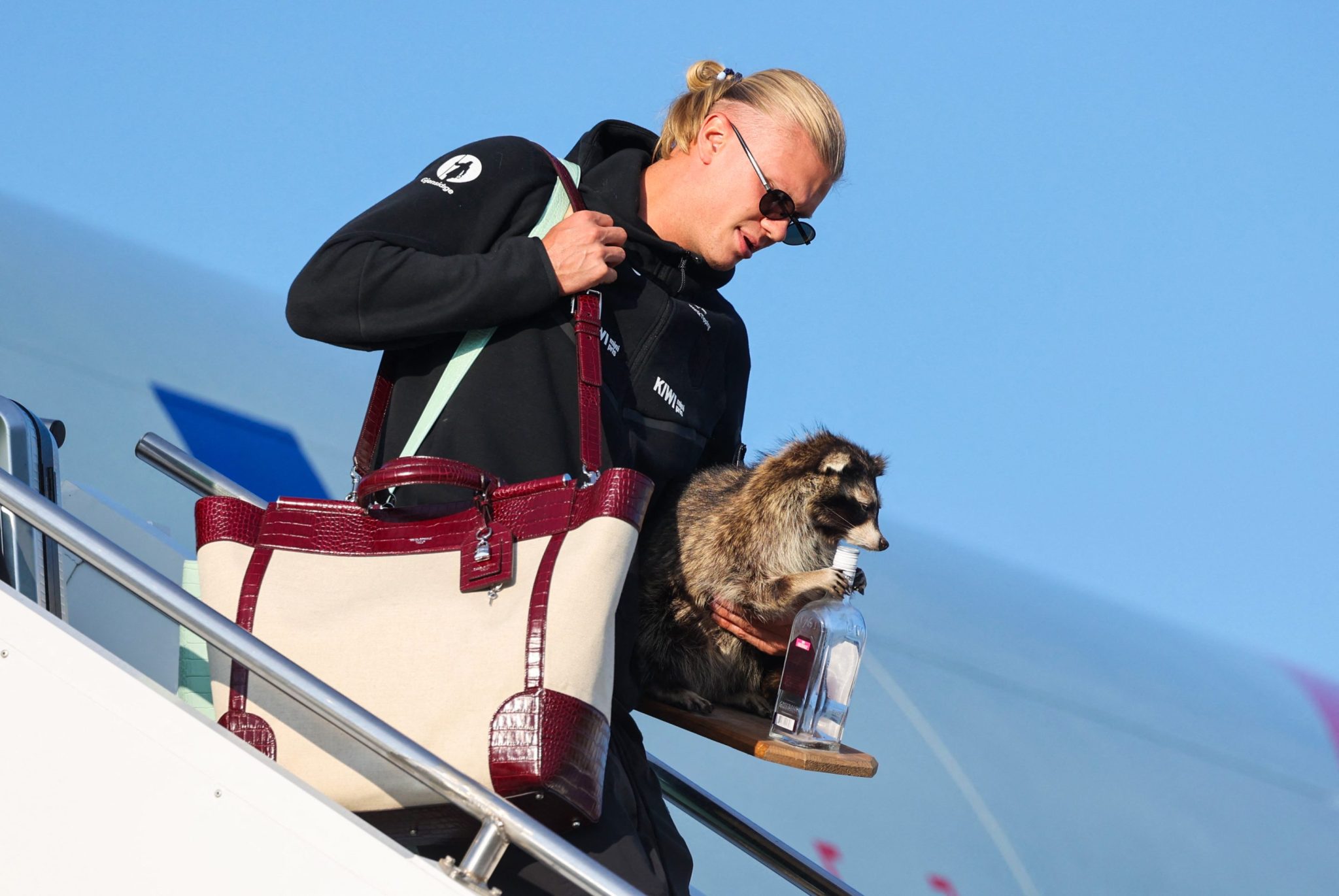
Fortune reported that Haaland’s Instagram following rose by about 32 million during the World Cup, moving from around 40 million followers to more than 72 million, the largest increase for any player. His tournament profile also came with off-field moments involving Hermès Haut à Courroies bags, Katz’s Deli and a taxidermied raccoon.
Fortune reported that Haaland was photographed several times with Hermès bags, including versions listed on resale sites for $45,000 to $80,000, and that Google searches for the bag rose afterward. Norway jerseys sold out and appeared on StockX for more than $400, according to Fortune.
A limited-edition hair-tie partnership with Oslo brand Kknekki, in which Fortune said Haaland is a minority investor, sold out within weeks. Fortune reported that Kknekki’s Instagram account gained 4,000 followers in one day after the brand announced the collaboration.
The attention also overlapped with tourism data. Innovation Norway, the country’s trade office, compiled figures showing about 392,000 overnight stays by Chinese tourists in Norway in 2025, up from roughly 220,000 a year earlier. Fortune reported that tourism professionals cited Haaland’s popularity in China, including on Douyin, as one factor behind the increase.
What did Visa data show across the World Cup?
Visa’s data covered a 39-day World Cup with 104 matches, 48 teams and 16 host cities in the United States, Canada and Mexico. Fortune reported that the tournament drew nearly 7 million spectators.
Across host cities, Visa said cross-border transactions rose nearly 20% from a year earlier, while tap-to-pay transactions increased almost 12%. Visa said fans from Colombia, Puerto Rico, the United Kingdom, Argentina and Brazil produced the highest cross-border spending totals.
Visa reported that Santa Clara-San Jose, Boston and Miami had the largest gains in in-person spending by domestic and international cardholders. Boston led dining transaction growth, Guadalajara had the strongest transportation spending growth, Atlanta rose in entertainment spending, and New York City posted a notable retail increase, according to the company.
Visa also identified matches that produced especially strong local spending jumps around kickoff. Fortune reported that Ecuador-Curaçao and Colombia-Ghana in Kansas City, along with Croatia-Ghana in Philadelphia, had the highest year-over-year spending uplift among those match windows.
This story draws on original reporting from Fortune.