
Energy chief and Chevron CEO differ on Persian Gulf oil flow estimate
Chris Wright said nearly 7 million barrels a day are leaving the Gulf; Chevron’s Mike Wirth said the company sees a lower figure.
By Daniel Okafor · Business Editor
3 min read
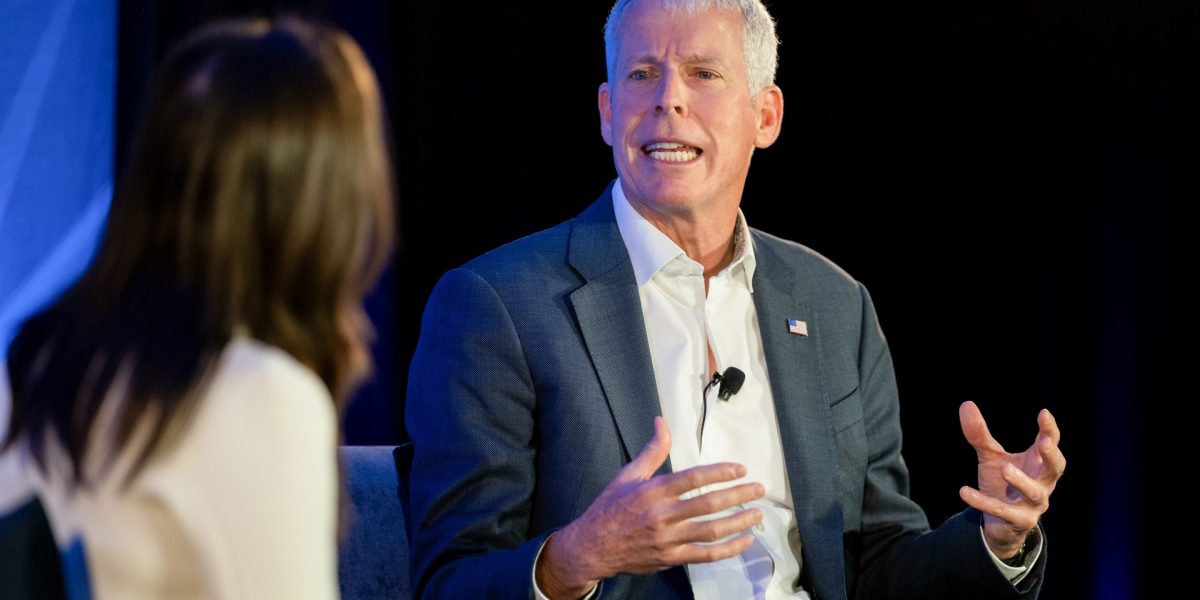
U.S. Energy Secretary Chris Wright said oil shipments out of the Persian Gulf have climbed to nearly 7 million barrels a day, an estimate that would mark a significant easing of war-driven disruption near the Strait of Hormuz. Chevron CEO Mike Wirth disputed that figure at the same Bloomberg energy event in Houston on June 12, saying the company’s read of tanker movements points to a smaller flow.
Wright said the volumes now leaving the Gulf amount to roughly half of a 14 million-barrel-a-day shortfall created by the conflict with Iran and the disruption of normal traffic through the strait. He described the 7 million-barrel figure as a rough estimate and said the number was rising.
Wright credited U.S. military assistance for helping more ships leave the region. He also said Washington wants Gulf oil moving while keeping Iranian crude blocked until a peace agreement is completed, and said no Iranian barrels are getting out.
Wirth, speaking after Wright, said Chevron’s assessment did not support the secretary’s estimate. He said ships have been leaving the area, often at night and with transponders turned off, and usually with some U.S. military support.
Wirth said those movements have eased pressure in physical oil markets. He also said the market has adjusted on both supply and demand, helping buy time while risks remain.
Markets weigh disrupted supply and emergency reserves
The Strait of Hormuz disruption initially affected nearly 20% of global oil flows, according to the account presented at the event. Saudi Arabia and the United Arab Emirates have redirected some crude through pipelines, while additional barrels have moved out by sea despite the risks.
Oil forecaster Dan Pickering, founder of Pickering Energy Partners, said the situation shows the industry can find ways to keep barrels moving. He cautioned, however, that if 7 million barrels a day are escaping while the strait remains restricted, another 7 million barrels a day are still missing from normal supply.
Benchmark oil futures reached $138 a barrel in early April shortly before the first ceasefire was announced, after starting the year at $61, according to the market figures cited at the event. By June 12, the benchmark had fallen to about $87 a barrel, its lowest level since early March, as hopes for a lasting peace deal grew.
Prices have stayed below the worst fears because of several factors cited by market participants: larger U.S. crude exports from the Strategic Petroleum Reserve, reduced Chinese imports, conservation efforts in other countries, pipeline diversions in the Middle East and some Gulf shipments.
Pickering said sharper price increases could still arrive by late summer if normal oil flows do not resume, because emergency reserves are being drawn down quickly. He compared inventories to insurance, saying their value becomes clear when a crisis hits.
Strategic reserve falls toward 1983 levels
The U.S. Department of Energy said the administration had released 66 million barrels from the Strategic Petroleum Reserve as of June 5 since the Iran war began. President Donald Trump has authorized a total release of 172 million barrels over several months, with buyers pledging to replace the barrels later.
The reserve stood at 349.2 million barrels on June 5, according to the Energy Department, a three-year low. The stockpile has been falling by nearly 9 million barrels a week; if it drops further, it will reach levels last seen in August 1983.
Wright also said the U.S. will not ban domestic oil exports. He said the Trump administration may extend a Jones Act waiver beyond mid-August, allowing more vessels to move fuel between U.S. ports, including shipments from the Gulf Coast through the Panama Canal to California after recent refinery closures in the state.
This story draws on original reporting from Fortune.