
EEOC moves to end long-running private-sector workforce reports
The agency voted to advance a proposal scrapping annual EEO-1 demographic filings from many large employers after six decades.
By Hana Yoshida · Markets Reporter
4 min read
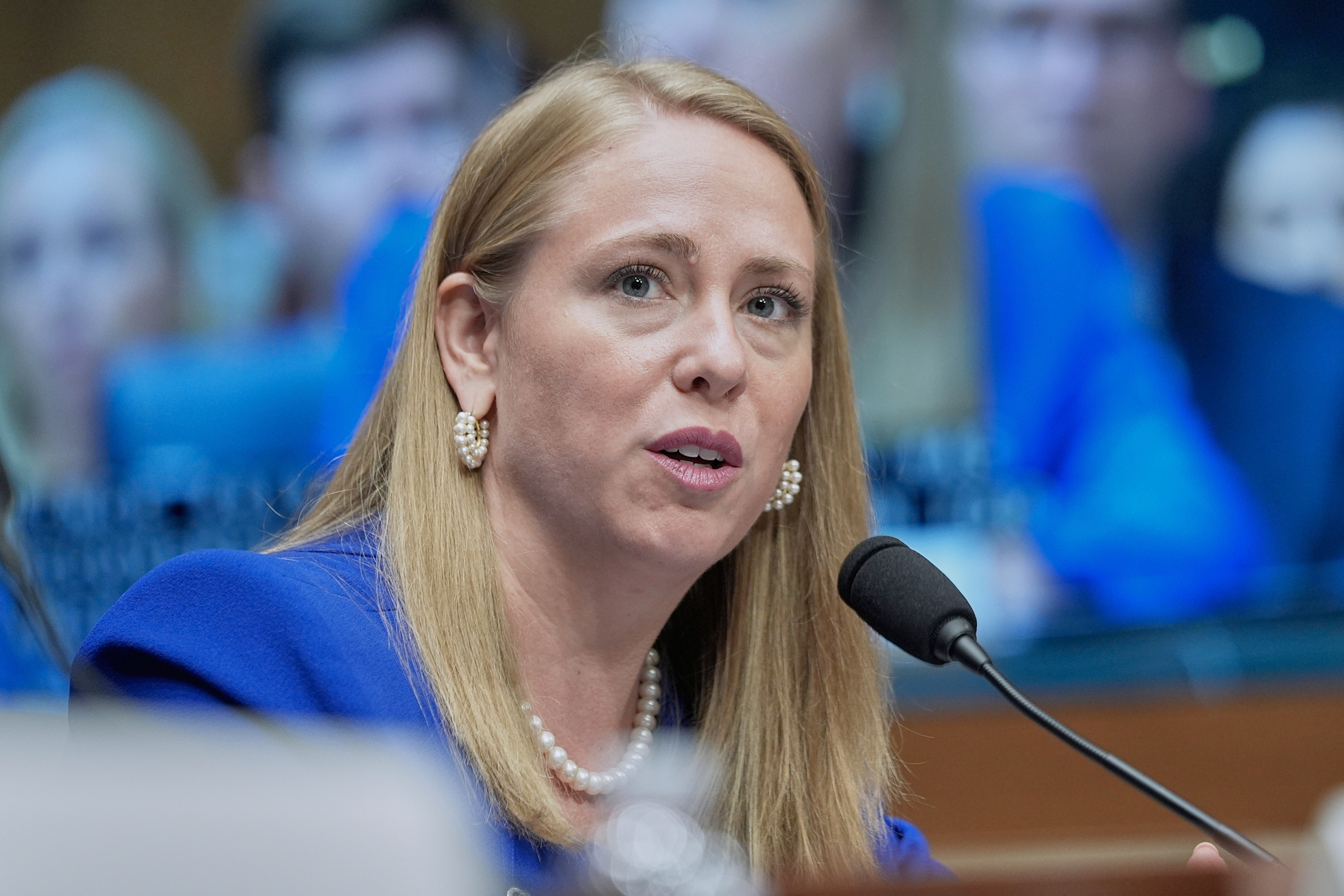
The Equal Employment Opportunity Commission voted Tuesday to advance a plan that would end a six-decade requirement for many private employers to file annual workforce demographic reports. The change would narrow a major public window into how women and racial and ethnic groups are represented across corporate job levels.
The commission’s Republican majority approved the proposal 2-1, sending it to a 30-day public comment period before a final decision. The rule has required tens of thousands of employers to submit EEO-1 reports, which the agency has used in enforcement planning and some discrimination investigations, according to the Associated Press.
EEOC Chair Andrea Lucas said the filings can push companies toward unlawful decision-making. “It may promote racial stereotyping at work, and it may encourage employers to engage in discrimination,” Lucas said at a hearing before the vote.
Commissioner Kalpana Kotagal, the commission’s lone Democrat, opposed the move. “Today, the commission discusses whether to turn back time to a period before the civil rights movement, kneecapping its ability to protect workers,” she said.
What employers report now
The EEO-1 requirement dates to 1966. It applies to companies with at least 100 workers and to federal contractors with at least 50 employees.
The form asks employers to sort workers by sex, race and ethnicity across 10 job groups, ranging from senior executives and managers to laborers and service workers. The data generally covers more than 50 million employees and 73,000 employers nationwide, according to the AP.
The EEOC may not publish an individual company’s EEO-1 filing. It has released aggregate information, and during the Biden administration it launched a public tool showing historical demographic trends by industry and job category. The most recent public data is from 2023.
Under President Donald Trump, the EEOC collected 2024 EEO-1 data but has not released it publicly, the AP reported. Collection for 2025 would have begun this year.
What the data shows
EEOC data cited by the AP shows women remain underrepresented in top corporate positions. Women made up nearly half of workers at surveyed companies in 2023, but held 34.5% of executive and senior manager jobs, up from 29.2% a decade earlier.
White and Asian women posted the fastest gains and, by 2023, were no longer underrepresented in senior jobs relative to their share of the overall workforce. Black and Hispanic women remained sharply underrepresented in those roles despite some gains, according to the AP.
Asian men had been proportionally represented in senior roles for years, while Black and Hispanic men remained underrepresented in 2023. White men made up about one-third of the surveyed workforce but held 52.7% of executive and senior management jobs.
Supporters and critics split over the purpose
Lucas said the annual reporting rule costs employers “hundreds of millions of dollars” and imposes a burden without any allegation or evidence of discrimination. The proposal was recommended by Project 2025, the Heritage Foundation policy blueprint that has shaped several Trump administration actions, according to the AP.
Former Democratic EEOC commissioners and legal officials rejected Lucas’ reasoning, saying there is little evidence companies routinely use EEO-1 data to impose quotas or race-based hiring. In a statement, they said the claim was “inaccurate and unsupported speculation” and said the filings help employers assess hiring, promotion and benefit practices for possible barriers.
Some large companies have also started retreating from voluntary public disclosure of EEO-1 data. Andrew Jones of The Conference Board Governance & Sustainability Center told the AP that 24 companies in the S&P 100 stopped releasing their EEO-1 information in 2025 after doing so the year before, while 60 still disclosed it.
Employers may still keep demographic records even if the annual filing rule is rescinded. Title VII requires companies to retain records relevant to discrimination investigations, and the EEOC can request those materials during probes.
Jennifer Robins, counsel in Saul Ewing’s Labor and Employment Group, said companies are being advised to maintain their practices. “Private litigants, employment discrimination lawsuits are not going away, and this data is helpful to defending oneself,” she said.
This story draws on original reporting from Fortune.