
Commercial real estate bidding posts strongest monthly gain in a year
JLL says June bidding strengthened sharply and July bidder participation neared a record, as lender competition stayed elevated.
By Hana Yoshida · Markets Reporter
3 min read
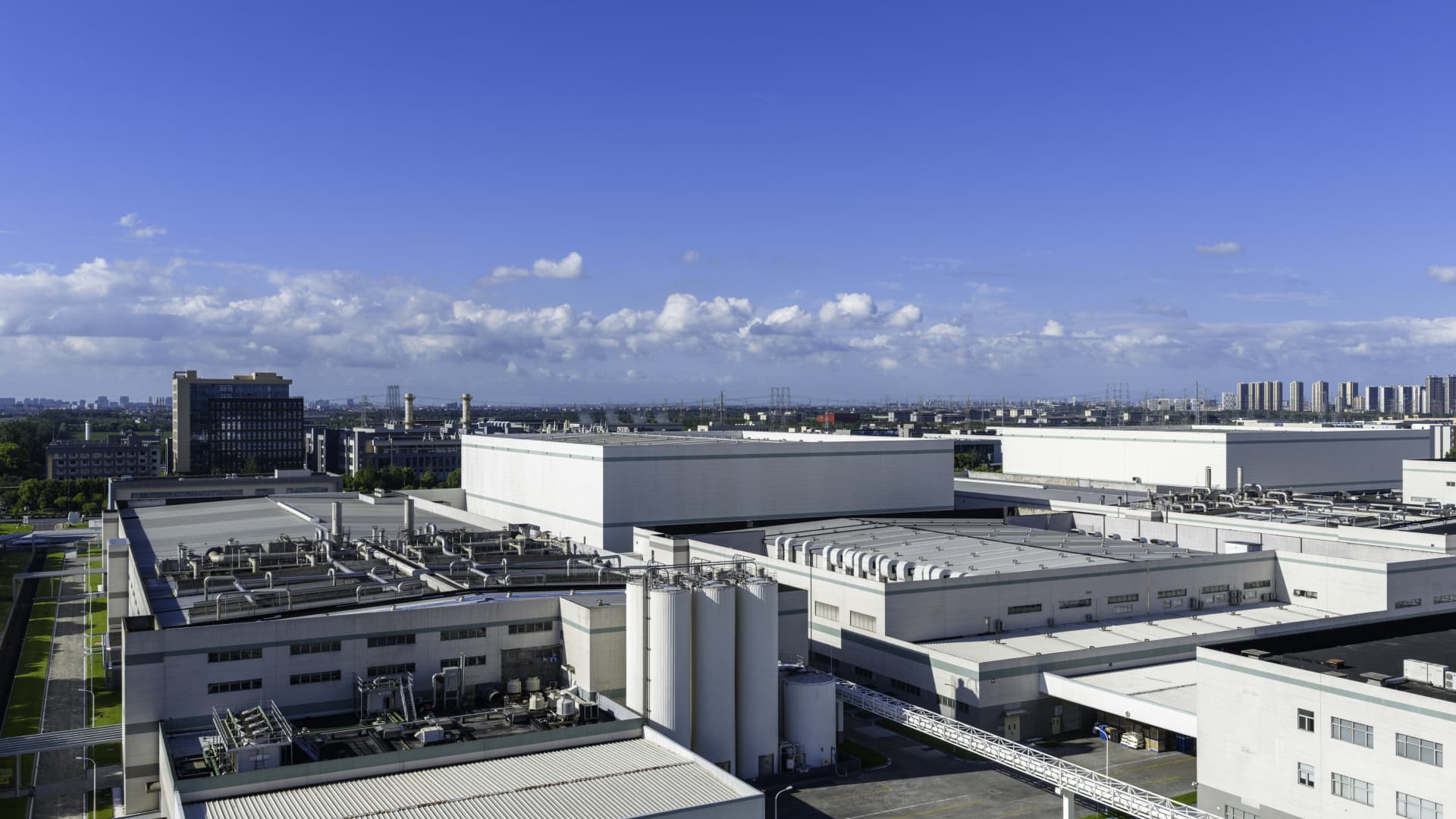
Commercial real estate bidding recorded its sharpest monthly improvement in a year in June, according to JLL’s global Bid Intensity Index. The rise matters because JLL also found unusually strong competition among lenders, although higher bond yields could still keep buyers and sellers apart on price.
July brought the second-highest number of unique bidders since the index began, JLL said in an Aug. 25 update. The firm’s findings point to stronger interest in property transactions, but they are proprietary indicators rather than a count of all commercial-property sales or proof that bids will result in completed deals.
What does commercial real estate bidding data measure?
JLL’s Bid Intensity Index tracks competition in investment sales through the number of distinct bidders on a deal and the relationship between winning offers and asking prices. Its Credit Intensity Index measures financing competition using the number of lenders submitting loan quotes and the average loan-to-value ratio on winning loans, according to JLL.
The measures draw on JLL’s dataset of nearly $9 trillion in investment-sales bids and loan quotes. JLL describes them as global capital-market indicators, so the results should not be read as a U.S.-only measure.
Credit conditions are leading the pickup, JLL says
JLL said its credit index remained materially above previous 2021 record levels in July, despite some easing from an April high in lender volumes and average winning loan-to-value ratios. The firm said lenders have been competing more intensely than buyers to place capital, creating more favorable financing conditions for borrowers.
The difference between credit intensity and bidding intensity reached its widest point in May and has narrowed since, JLL said. The firm interprets that shift as closer alignment between available financing and transaction activity. In June, JLL had said its credit index had reached an all-time high in April amid refinancing and large loan placements.
JLL’s August assessment is that deep liquidity and competitive financing could support an opportunity window through the end of 2026. That is a company outlook, and JLL said the recent rise in bond yields, especially in the United States, continues to put pressure on the gap between what buyers offer and sellers seek.
Which property sectors are drawing interest?
CNBC, reporting on JLL’s data and views, said retail and industrial properties were seeing the strongest bidding and credit activity, while multifamily remained the weakest area. The primary JLL index update did not provide a sector-by-sector breakdown.
CNBC reported that industrial demand has been supported by e-commerce as well as reshoring and reindustrialization. In a separate midyear assessment cited by CNBC, CBRE said companies were bringing manufacturing closer to the United States to shorten supply chains, reduce risks and in some cases limit tariff exposure; CBRE reported manufacturing leasing up 27% year over year.
For multifamily, CNBC reported that the sector is absorbing a historically large amount of new construction. The broader test for the market, according to JLL, is whether growing capital pools can outweigh borrowing-cost pressure and bring more prospective transactions to closing.
This story draws on original reporting from CNBC.