
Luxury demand shifts toward travel, dining and family trips
Bain and Altagamma expect luxury goods sales to return to growth in 2026, with experiences outpacing products as wealthy consumers change priorities.
By Daniel Okafor · Business Editor
3 min read
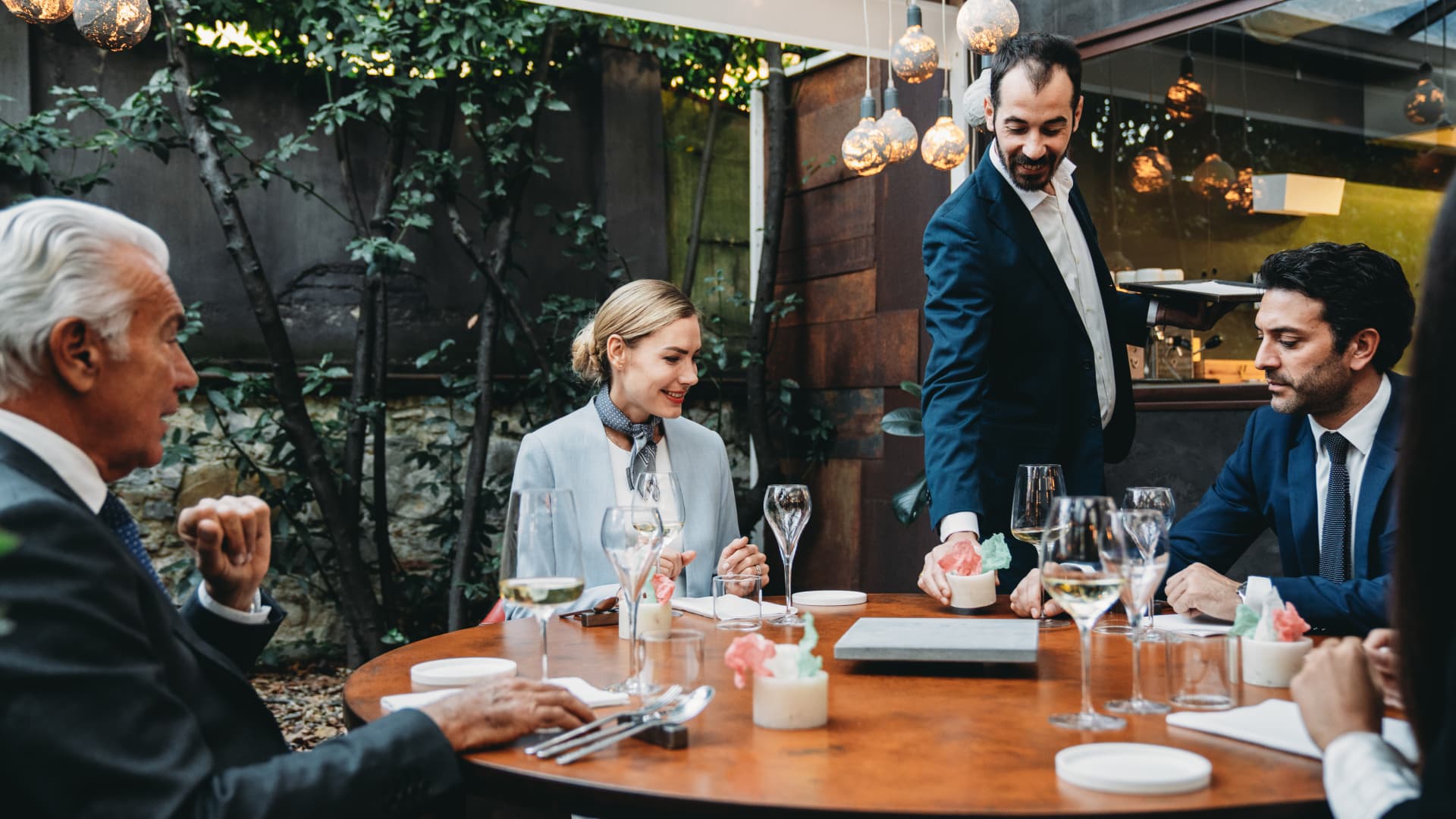
Luxury spending is expected to recover in 2026, but the strongest growth is coming from trips, meals, entertainment and other experiences rather than personal goods. A report from Bain & Co. and Altagamma says experiences are forecast to grow faster than luxury products, a shift that shows how affluent consumers are changing what they buy.
Personal luxury goods sales are projected to rise 1% to 4% this year after two years of declines, according to the report. Bain and Altagamma estimate sales will reach 365 billion euros to 373 billion euros, or about $413.6 billion to $422.7 billion.
Experiential luxury is expected to grow 3% to 7% in 2026, the report said. Bookings tied to dining, leisure and entertainment are up about 30% this year, according to Bain and Altagamma.
Claudia D’Arpizio, a senior partner at Bain & Co., said demand is holding up best in categories that offer “time, access and meaning.” She said luxury is becoming more about how people live than what they own.
U.S. leads growth as global risks remain
The United States is now the top country for luxury goods growth for the first time since 2021, according to the report. Bain and Altagamma said U.S. gains are being driven largely by aspirational consumers.
Geopolitical pressure is still weighing on the sector. The report said tensions in the Middle East continue to hurt sales, with Dubai, United Arab Emirates, affected because of its reliance on tourism.
Dubai had been one of the world’s fastest-growing luxury markets before the Iran war, according to the report. Bain and Altagamma said the city has not yet shown signs of recovery.
The report said luxury goods sales could strengthen this year if the Middle East stabilizes and Chinese demand improves. China remains a key variable for global luxury companies because of its role in high-end spending, according to Bain and Altagamma.
Travel tastes are changing
Affluent travelers are showing more interest in less crowded and less traditional destinations, the report said. Travel to nontraditional locations is up 20%, according to Bain and Altagamma.
The report also pointed to rising demand for “immersive wayfaring,” described as customized, slower travel tied to discovery and local traditions. Bain and Altagamma said wealthy consumers are placing more value on experiences that feel personal and authentic.
Another trend identified in the report is “inheritourism,” in which wealthy families travel together and Gen Z travelers pick up the travel habits and preferences of their parents. The report links the pattern to broader changes in how family wealth and tastes are shared across generations.
Cruises are attracting both first-time buyers and repeat customers, according to Bain and Altagamma. The report also said fine dining and gourmet food are being helped by a “less-but-better” approach, while fine arts are returning to growth.
This story draws on original reporting from CNBC.