
Chinese car brands gain ground with UK buyers
Chinese-built vehicles are winning UK customers with lower prices, more equipment and electric models as exports from China climb.
By Maya Lindqvist · Senior Technology Correspondent
3 min read
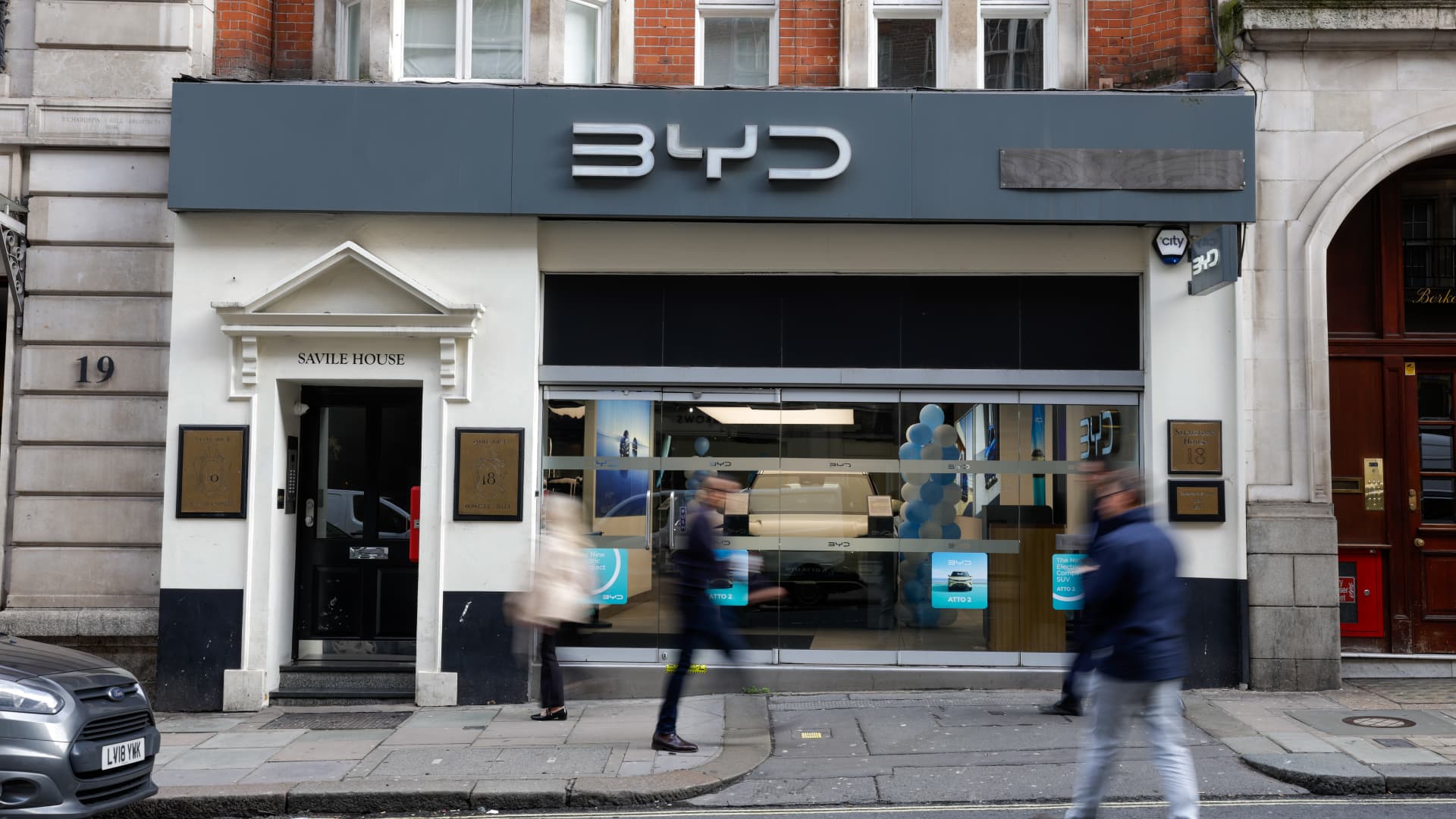
Chinese automakers are selling far more vehicles in the United Kingdom, helped by lower prices and a growing range of electric and plug-in hybrid models. The shift matters because the U.K. has become a receptive market for Chinese brands at a time when China’s domestic car demand has weakened, according to CNBC and industry data.
CNBC reported that Chinese-made vehicle sales in Britain have risen from a tiny base over the past decade. Mobility Global, an automotive consulting firm, said U.K. buyers purchased 384 imported Chinese vehicles in 2015, 25,302 in 2020 and more than 285,000 last year.
At Lipscomb Cars in Maidstone, southeast of London, CNBC found buyers considering and purchasing models from Geely, one of the Chinese brands expanding in the market. The dealership opened within the past year and sells two Geely models, according to CNBC.
One recent buyer, Izzy Woodrow, told CNBC he was pleased with the comfort, quiet ride, build quality and in-car technology of his Chinese-made vehicle. Other shoppers, Chris and Tracy Smith, were drawn to the amount of equipment offered for the price, CNBC reported.
Exports rise as China looks abroad
China’s automakers have increased overseas shipments as demand at home has slowed, according to CNBC. The China Association of Automobile Manufacturers said retail auto sales in China fell 26% in the first half of 2026 from a year earlier, while auto exports rose 72% over the same period.
Chinese-built cars and sport utility vehicles have been arriving across Europe, but analysts told CNBC the U.K. has specific appeal. Unlike the European Union, the U.K. does not impose an additional tariff on plug-in hybrid electric vehicles, giving Chinese brands a more favorable opening in that segment.
Will Roberts, an analyst at automotive consulting firm Benchmark, told CNBC that Chinese brands such as BYD are no longer unusual on British roads. Roberts said the U.K. is a sizable market moving toward electrification and has demand for cheaper vehicles.
Price remains a central factor. CNBC reported that many Chinese models cost several thousand pounds less than comparable vehicles from established automakers. A Volkswagen Tiguan plug-in hybrid built in Germany sells in the U.K. for just over £43,000, or about $58,000, while a China-built BYD Seal U costs nearly £10,000 less, according to CNBC.
Legacy automakers face a tougher fight
Executives at long-established automakers, including the U.S. Big Three, have argued that Chinese government subsidies allow Chinese manufacturers to sell vehicles more cheaply in Asia, the U.S. and Europe, CNBC reported. Despite those complaints, Chinese auto exports have continued to grow.
Jon McNeill, a former General Motors board member, told CNBC that Chinese brands are entering Europe with appealing cars, aggressive prices and technology that compares well against European rivals. Dealers are also pointing to design and cabin quality as selling points once shoppers see the vehicles in person.
John Panda-Noah, a dealer at Lipscomb Cars, told CNBC that competitive pricing may bring customers into the showroom, but the look, finish and technology of new Geely models help close sales. The pattern suggests Chinese automakers are competing in Britain on more than cost as they build recognition with mainstream buyers.
This story draws on original reporting from CNBC.