
Chinese AI startups line up IPOs in Hong Kong and Shanghai
Moonshot AI and DeepSeek are pursuing public listings as Chinese technology firms split between Hong Kong and mainland exchanges.
By Hana Yoshida · Markets Reporter
3 min read
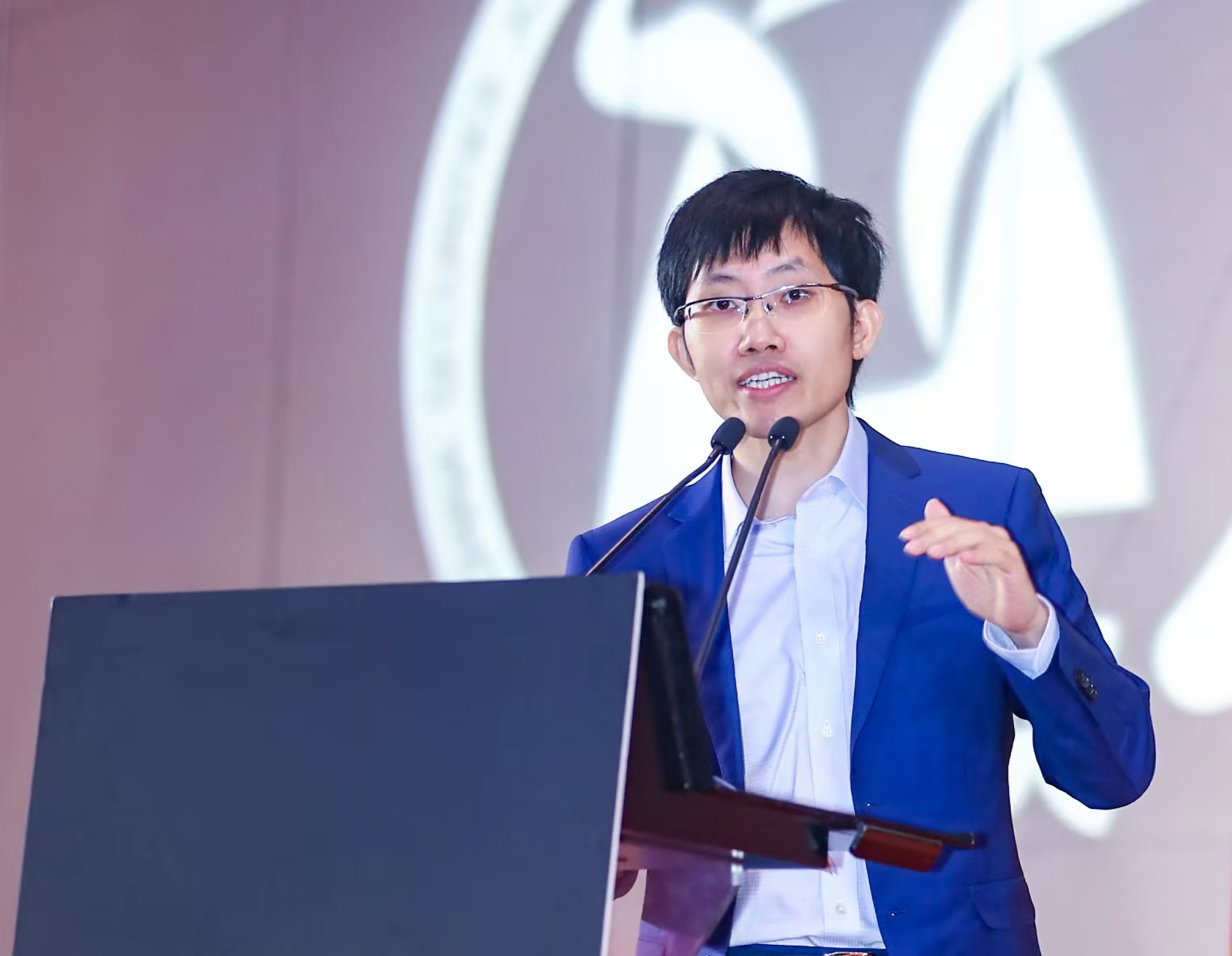
Two prominent Chinese artificial intelligence developers are preparing for initial public offerings, according to media reports, adding to a rush of technology listings in Hong Kong and mainland China. The reported plans show how Chinese AI companies are choosing between overseas-facing capital in Hong Kong and domestic markets in Shanghai.
Bloomberg reported that Moonshot AI, the Beijing company behind the Kimi chatbot, is preparing to list in Hong Kong within six months. Bloomberg also reported that Moonshot is close to finishing a funding round valuing the company at more than $30 billion before seeking more capital.
Fortune reported that Moonshot recently released K3, a 2.8 trillion-parameter AI model that has performed strongly on several benchmarks and narrowed the performance gap with leading U.S. systems. Fortune also reported that Moonshot would follow Minimax and Z.ai, two Chinese AI peers that debuted in Hong Kong in early January.
DeepSeek, based in Hangzhou, is pursuing a different route, according to Fortune. The company is aiming for a listing on Shanghai’s STAR Market, the city’s technology-focused board, as soon as the second quarter of 2027.
Fortune reported that DeepSeek has less obvious need for outside money because founder Liang Wenfeng also runs High-Flyer, a quantitative hedge fund capable of funding AI research. Even so, DeepSeek raised $7.4 billion in its first outside financing round in June at a valuation above $50 billion, and is reportedly seeking new capital at a valuation as high as $71 billion before its IPO.
The South China Morning Post has reported that DeepSeek’s fundraising may be tied to employee retention. Rival startups have used stock options and high valuations to recruit researchers from the company, according to those reports.
The Information reported that DeepSeek’s June financing had an unusual structure. Commercial investors including Tencent, JD.com and CATL accepted a five-year lock-up and no voting rights, while China’s National Artificial Intelligence Industry Investment Fund received voting rights and no lock-up; Liang invested 20 billion yuan, nearly $3 billion, according to The Information.
Mainland and Hong Kong paths diverge
Fortune reported that Chinese companies seeking public capital have long split between mainland exchanges and Hong Kong. Shanghai and Shenzhen give companies access to domestic investors, including retail buyers, while Hong Kong offers a more international investor base but requires Chinese regulatory approval for companies seeking to list there.
According to Fortune, companies seen as strategic or tied to national technology goals have tended to choose mainland listings first. Unitree, the robot maker known for humanoid robots shown on Chinese state television, is pursuing a Shanghai listing, while Moore Threads, a Chinese maker of graphics processing units, chose Shanghai for its IPO last December.
CXMT, described by Fortune as the world’s fourth-largest DRAM memory maker, is set to begin trading on the STAR Market after an $8 billion IPO. Hong Kong remains the preferred venue for major internet companies, with Shein and Xiaohongshu reportedly working toward Hong Kong IPOs and Baidu planning to convert its Hong Kong secondary listing into a primary one.
Fortune reported that dual-market activity is also growing. Luxshare, a major Apple supplier, raised $3.1 billion in a Hong Kong secondary listing earlier this month, while Zhongji Innolight, a Shenzhen-listed maker of optical transceivers used in AI data centers, plans to raise $8 billion in Hong Kong.
Chinese markets are expected to keep drawing listings even as large U.S. offerings pull attention elsewhere, according to Fortune. CXMT is scheduled to start trading in Shanghai on July 27, and Innolight is scheduled to start trading in Hong Kong on July 30.
This story draws on original reporting from Fortune.