
Chinese AI models see U.S. adoption as cheaper tools gain ground
U.S. developers and companies are testing Chinese AI models as lower prices challenge OpenAI and Anthropic despite policy scrutiny.
By Daniel Okafor · Business Editor
4 min read
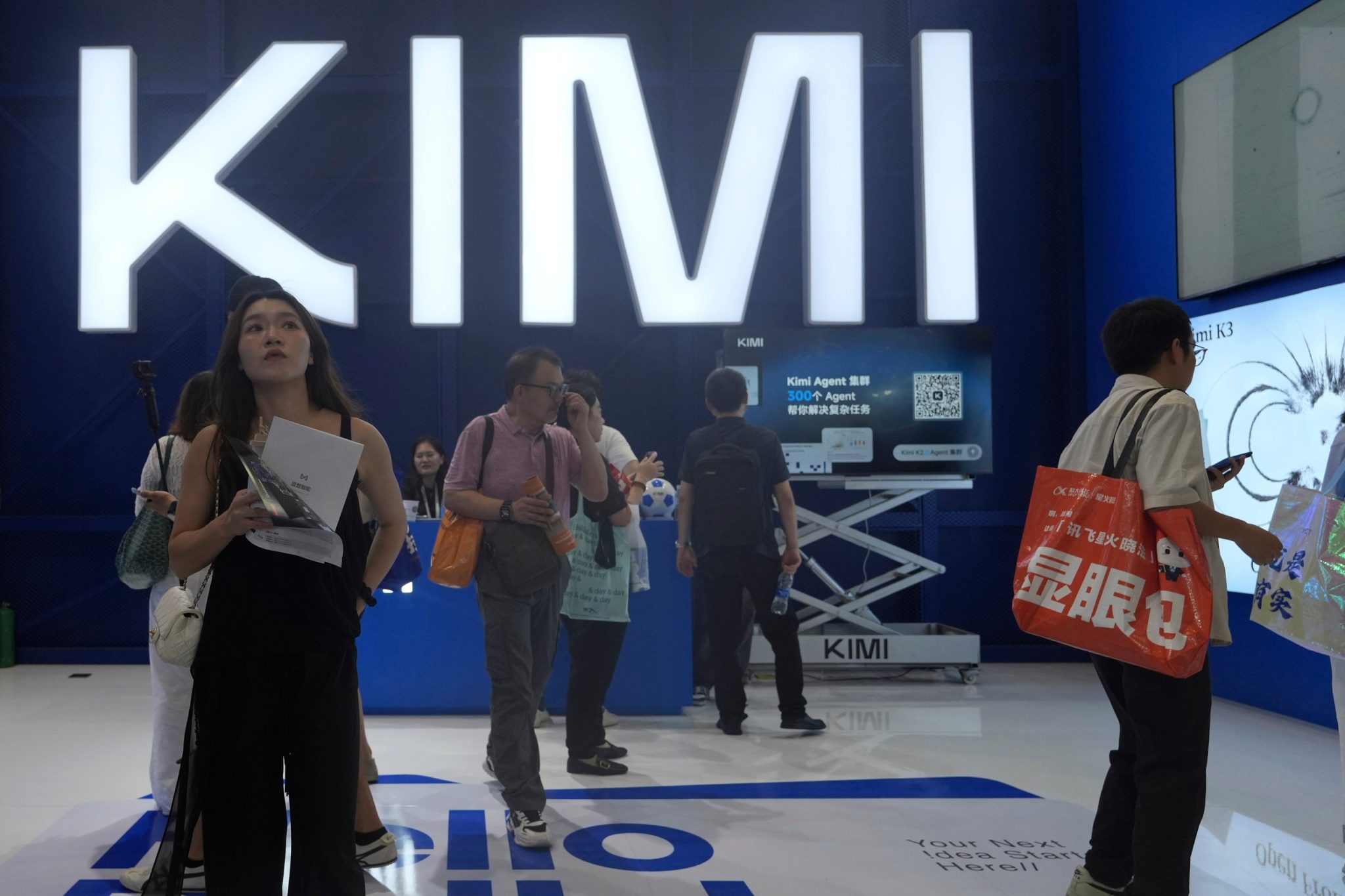
Chinese AI models in U.S. adoption are no longer a fringe bet among some developers and tech companies. The Associated Press reported that lower prices and stronger performance are drawing American users to systems built by startups including Moonshot, Z.ai and DeepSeek.
Raffi Krikorian, Mozilla’s chief technology officer, told AP he began using Moonshot’s Kimi K3 for many routine tasks within days of its release. He said the model felt faster than Anthropic’s higher-priced Claude Fable, and he previously used Z.ai’s GLM-5.2 for calendar, document and email work.
The shift is putting pressure on U.S. AI companies that have led the field. Coinbase has said it is moving some work to Chinese AI models to cut expenses, according to AP.
Why are Americans using Chinese AI models?
Cost is the clearest reason. Curt Meinhold, a technology executive in Greensboro, North Carolina, told AP he increasingly uses DeepSeek for tasks such as finding business leads and sales ideas because many users need models that are “good enough” rather than the most advanced systems from Anthropic.
AI usage is often priced by the million tokens, a measure of text processed by a model. Analysts including Alex Colville of the Australian Strategic Policy Institute told AP that agentic AI, which uses models to carry out multistep tasks, can make price gaps matter much more because those systems consume more tokens.
Goldman Sachs said in a July research report cited by AP that Chinese AI models are nearing a critical point for broad adoption, especially as demand rises for cheaper systems that can power agentic AI tools.
Kimi K3 demand rose after launch
Moonshot’s Kimi K3 has become one of the most visible examples of the trend. Sensor Tower estimated that Kimi was downloaded more than 930,000 times in the week after K3’s July release, up 200% from the previous week, AP reported.
In the United States, Sensor Tower estimated about 86,000 downloads for that week, a 387% increase. Demand was strong enough that Moonshot temporarily paused new subscriptions after usage strained its capacity, according to AP.
OpenRouter, a platform that tracks AI model activity, found that the five most-used models on its service over the past month were Chinese, AP reported. Experts told AP that recent models from Z.ai, Moonshot, Alibaba and DeepSeek are approaching the performance of leading U.S. systems in some areas.
U.S. policy and open-source models are shaping the fight
The Trump administration on Wednesday accused Moonshot of using covert methods, though not necessarily illegal ones, to build K3 from Anthropic’s Fable, according to AP. Some U.S. politicians and AI companies, including Anthropic, have accused Chinese startups of improper model “distillation,” while Beijing has rejected those claims as groundless.
U.S.-led restrictions already block China from accessing some advanced technologies, including top AI chips. Treasury Secretary Scott Bessent has warned that more sanctions could follow to protect American intellectual property, AP reported.
Many Chinese models are open-source, meaning outside developers can inspect and build on them. Lian Jye Su of Omdia told AP that Chinese vendors are expected to use open-source releases to expand global use, while Mozilla’s Krikorian said the open frontier is becoming increasingly Chinese-built.
Some analysts say U.S. restrictions can also create openings for Chinese competitors. Arena CEO Anastasios Angelopoulos told AP that limiting access to an American model can quickly benefit a rival from China, though he also said Chinese systems still trail U.S. leaders across full-range capabilities.
China is also pushing its AI tools abroad. AP reported that President Xi Jinping has promoted open-source AI and Chinese involvement in improving AI capacity in developing nations, while domestic competition is pushing Chinese startups to seek global growth and more funding.
The spending race carries risks. Z.ai reported revenue of 724 million yuan, or $107 million, last year, up 132%, while its net loss rose 60% to 4.7 billion yuan, or $694 million, according to AP.
This story draws on original reporting from Fortune.